
Alaskan Malamute: A Powerful Breed Built for Frozen Landscape
Upasna Yadav | Mar 17, 2026, 11:30 IST

Alaskan Malamute Standing in a Snowy Arctic Landscape
Alaskan Malamute known for their friendly, affectionate nature and stunning good looks, they make an amazing companion for active, outdoorsy families. Bred to pull heavy sleds over harsh, snowy terrains, Alaskan Malamutes are big, fluffy powerhouses with a keen eye for adventure. There’s something undeniably captivating about the Alaskan Malamute. With their striking, wolf-like features and strong, sturdy build, these dogs have a way of turning heads wherever they go. But beyond their impressive looks lies a heart full of loyalty, playfulness, and boundless affection.
Highlights
1. Alaskan Malamutes have pointed ears and a long nose they could pretty much be mistaken for a wolf. But any facade of a tough exterior fades away when you see their trademark smile, a good-natured grin matched by a curious look in their eyes.
2. These good-natured pups thrive on human attention and are delighted to be part of the company you keep. With proper socialization your Alaskan Malamute will happily welcome guests.
3. People of the Inuit tribes bred Malamutes to haul heavy loads on sleds slowly over long distances. These pups also bravely hauled sleds for miners during Alaska’s gold rush in the late 1890s, adventured on expeditions to the South Pole and aided U.S. forces during World War II.
2. These good-natured pups thrive on human attention and are delighted to be part of the company you keep. With proper socialization your Alaskan Malamute will happily welcome guests.
3. People of the Inuit tribes bred Malamutes to haul heavy loads on sleds slowly over long distances. These pups also bravely hauled sleds for miners during Alaska’s gold rush in the late 1890s, adventured on expeditions to the South Pole and aided U.S. forces during World War II.
History of the Alaskan Malamute
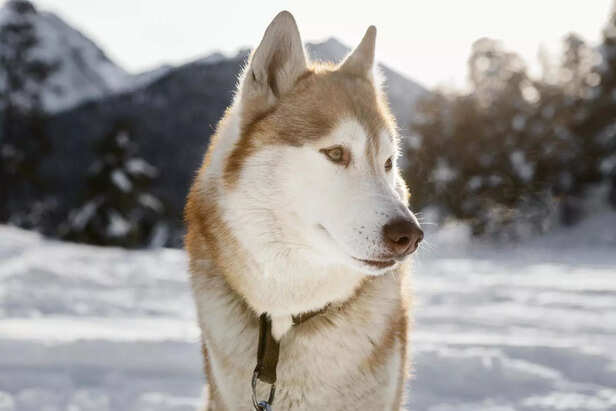
Majestic Alaskan Malamute in the Winter Mountains
The Alaskan Malamute is one of the oldest Arctic sled dogs, developed by the Mahlemut people of Alaska thousands of years ago. Bred for hauling heavy loads across frozen landscapes, they were not racing dogs like Siberian Huskies, but powerhouses built for endurance and teamwork. Their history reflects resilience, loyalty, and a close bond with humans that continues today.
Temperament & Personality
Exercise & Enrichment Needs
Training Tips
Grooming & Care
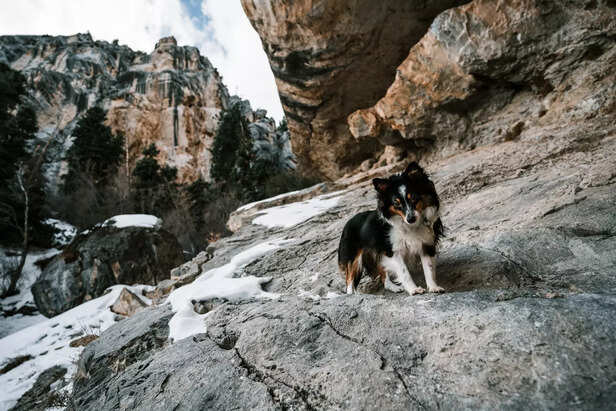
Alaskan Malamute in a Beautiful Snow-Covered Forest
The Malamute’s dense double coat requires weekly brushing to prevent matting and manage shedding. During seasonal “blowouts,” daily brushing is recommended. Baths are needed only occasionally, as their coat naturally resists dirt. Routine nail trims, dental care, and ear cleaning keep them in top condition.
Great features include
- Loyalty: A pack of wolves in the wild is not just a group of dogs that happen to run together. The pack is a family with each member having a specific role within the pack. They are all very loyal to each other. Bringing the wolf into the dog family, brought that loyalty into the dog.
- Beauty: Wolves are extremely beautiful. The Malamutes have many physical characteristics similar to wolves.
Is the Alaskan Malamute Right for You?
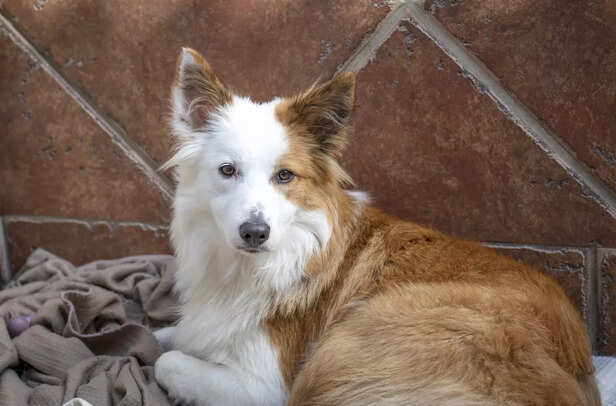
Alaskan Malamute Sled Dog in the Frozen Wilderness
The Malamute is best for active, experienced owners who can provide exercise, training, and strong leadership. They thrive in homes with space to roam and prefer cooler climates due to their thick coat. Apartment life can be challenging unless paired with ample outdoor activity. If you’re ready for adventure and willing to invest the time and energy this breed requires, the Malamute will reward you with devotion, joy, and unforgettable companionship.
Common Health Concerns
- Hip dysplasia
- Hypothyroidism
- Inherited polyneuropathy
- Chondrodysplasia (dwarfism)
- Bloat (gastric dilatation-volvulus)
- Regular veterinary care and a balanced diet are essential. Supplements like Hip & Joint Chews help maintain mobility, especially as these large, active dogs age.
Celebrate the bond with your pets, explore Health & Nutrition, discover Breeds, master Training Tips, Behavior Decoder, and set out on exciting Travel Tails with Times Pets!
Frequently asked questions (FAQs)
- What is an Alaskan Malamute known for ?
The Alaskan Malamute is known for its strength, endurance, and ability to work in extremely cold climates. It is one of the oldest Arctic sled dog breeds. - Why are Alaskan Malamutes suited for frozen landscape ?
Alaskan Malamutes have a thick double coat, strong muscles, and large paws that help them walk easily on snow and survive harsh winter conditions. - Are Alaskan Malamutes good family pets ?
Yes, Alaskan Malamutes can be loving and loyal family pets. However, they need regular exercise, training, and enough space to stay healthy and happy.