
7 Blue Animals That Look Too Unreal to Exist
Noopur Kumari | Apr 24, 2026, 09:00 IST

7 Blue Animals
Image credit : Freepik
Why are blue animals so rare in nature, and what makes them stand out so powerfully? Do they actually produce blue pigment, or is something else creating that color? The answer is more surprising than it seems many don’t have blue pigment at all. Instead, light interacts with microscopic structures to create this illusion. But why evolve such a feature? For some, it attracts mates; for others, it provides camouflage or warns predators. And perhaps that’s why blue creatures feel almost mythical because what we see isn’t just color, it’s nature playing with light itself.
What if the color blue in nature isn’t really blue at all? It sounds impossible. Because when you see a bright blue animal, it feels magical almost unreal. But here’s the surprising truth: most blue creatures don’t actually contain blue pigment. What you’re seeing is not true color, but light itself. Tiny microscopic structures on their skin or wings bend and reflect light in a way that appears blue to our eyes. It’s nature’s own optical illusion. And once you understand this hidden science, these animals don’t just look beautiful they become even more fascinating and extraordinary.
![Blue Tree Monitor in Forest]()
The Blue Tree Monitor looks like it belongs in a fantasy world. Found only on a single Indonesian island, its bright blue body reflects light in a way that creates a glowing, bead-like texture. This color isn’t from pigment but from microscopic structures that bend light. It helps the lizard blend into the forest shadows while also making it visually striking. Unfortunately, its beauty has made it a target in the wildlife trade, turning this natural masterpiece into a symbol of both wonder and conservation concern.
![Blue Poison Dart Frog Close-Up]()
The Blue Poison Dart Frog is stunning but dangerous. Its electric blue skin, covered in black spots, is not just for beauty. It’s a warning. This frog carries powerful toxins that can harm predators. The bright color tells others to stay away. This is called “aposematism” a survival strategy where beauty becomes a signal of danger. In dense rainforests, this glowing blue helps it stand out just enough to be noticed but not attacked.
The Grand Cayman Blue Iguana is one of the rarest reptiles in the world. Its blue color becomes even brighter under sunlight, especially during mating season. This shift is linked to hormones and helps attract partners. The color may also help regulate body temperature. Once critically endangered, conservation efforts have helped revive its population. This animal shows how color can be both a survival tool and a communication signal.
Illusion in Motion:
![Blue Morpho Butterfly Wings]()
The Blue Morpho Butterfly is famous for its glowing blue wings. But the color isn’t real in the traditional sense. Tiny structures on its wings reflect light in a way that only blue wavelengths are visible. When it flies, the flashing blue confuses predators. When it rests, the dull underside hides it perfectly. This combination of beauty and defense makes it one of nature’s most clever designs.
The Blue Tang uses its bright blue color to blend into the ocean environment. In open water, blue helps it disappear against the vast sea background. It’s not just about standing out it’s about survival. This fish also uses its color for communication within its species. In the underwater world, visibility and invisibility often depend on the same color.
Celebrate the bond with your pets, explore Health & Nutrition, discover Breeds, master Training Tips, Behavior Decoder, and set out on exciting Travel Tails with Times Pets!
Nature’s Living Gem: Blue Tree Monitor
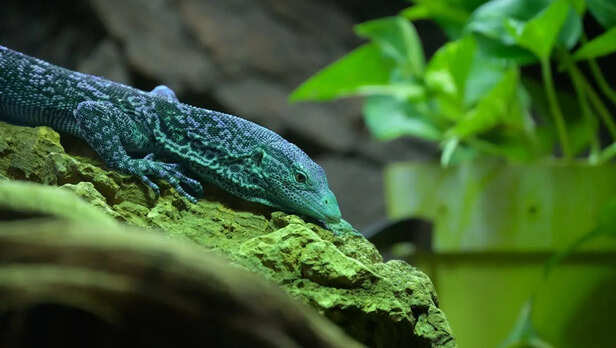
Blue Tree Monitor in Forest
Image credit : Pexels
The Blue Tree Monitor looks like it belongs in a fantasy world. Found only on a single Indonesian island, its bright blue body reflects light in a way that creates a glowing, bead-like texture. This color isn’t from pigment but from microscopic structures that bend light. It helps the lizard blend into the forest shadows while also making it visually striking. Unfortunately, its beauty has made it a target in the wildlife trade, turning this natural masterpiece into a symbol of both wonder and conservation concern.
Beauty With a Warning: Blue Poison Dart Frog
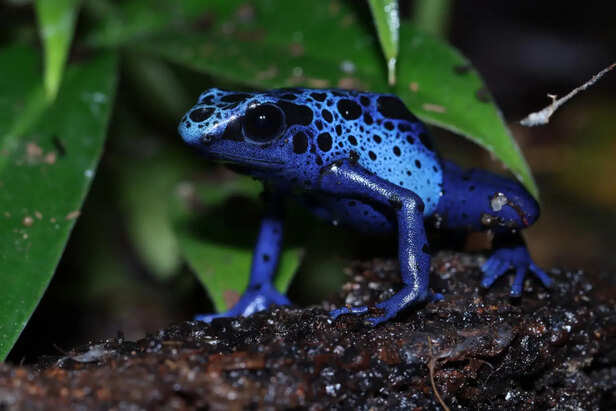
Blue Poison Dart Frog Close-Up
Image credit : Freepik
The Blue Poison Dart Frog is stunning but dangerous. Its electric blue skin, covered in black spots, is not just for beauty. It’s a warning. This frog carries powerful toxins that can harm predators. The bright color tells others to stay away. This is called “aposematism” a survival strategy where beauty becomes a signal of danger. In dense rainforests, this glowing blue helps it stand out just enough to be noticed but not attacked.
Island Glow: Grand Cayman Blue Iguana
Illusion in Motion: Blue Morpho Butterfly
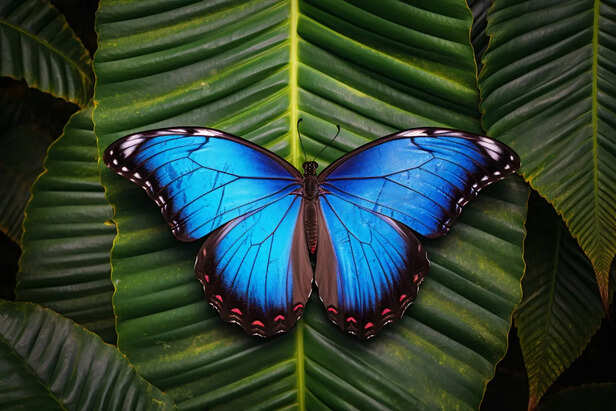
Blue Morpho Butterfly Wings
Image credit : Freepik
The Blue Morpho Butterfly is famous for its glowing blue wings. But the color isn’t real in the traditional sense. Tiny structures on its wings reflect light in a way that only blue wavelengths are visible. When it flies, the flashing blue confuses predators. When it rests, the dull underside hides it perfectly. This combination of beauty and defense makes it one of nature’s most clever designs.
Ocean Camouflage: Blue Tang Fish
Celebrate the bond with your pets, explore Health & Nutrition, discover Breeds, master Training Tips, Behavior Decoder, and set out on exciting Travel Tails with Times Pets!