
5 Animal Mothers Who Give Everything For Their Young Ones
Anushka Tripathi | Feb 25, 2026, 18:00 IST

elephants
Image credit : Freepik
Motherhood in the wild is an act of courage, sacrifice, and relentless love. From elephant mothers who form protective circles around their calves to octopus mothers who give up their lives for unborn young, animal moms risk everything so their babies can survive. This article explores five extraordinary animal mothers whose instincts push them beyond fear, hunger, and danger. Their stories reveal that maternal love in nature is not gentle, but fierce, emotional, and deeply powerful.
In the wild, motherhood is not wrapped in comfort or safety. It is raw, demanding, and often heartbreaking. There are no guarantees, no shelters, no second chances. Every day is a test of instinct, courage, and endurance. Animal mothers do not get to choose rest over responsibility. Their lives transform the moment their babies are born, and from that moment onward, survival is no longer personal. It becomes shared. For many animal mothers, protecting their young means risking hunger, injury, and even death. Their stories are not just about biology but about a love so deep that it overrides fear itself.
Elephant Mother: Strength Guided By Unbreakable Bonds
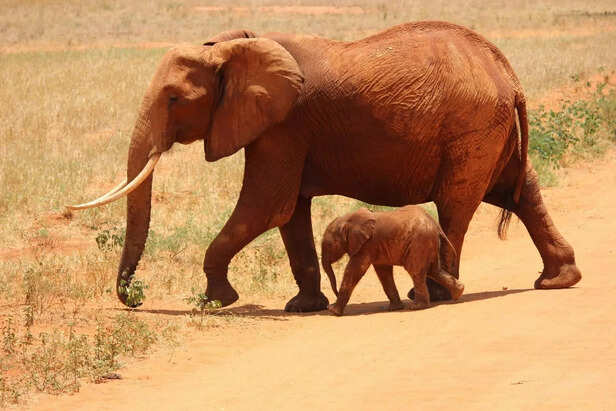
An elephant mother carries her baby for nearly twenty-two months before giving birth. By the time the calf arrives, the bond is already powerful. Once born, the baby depends entirely on its mother for protection, nourishment, and guidance. Elephant mothers never raise their calves alone. They are supported by a close-knit group of females who form a protective circle around the newborn. When danger approaches, the mother positions herself between her calf and the threat, ready to charge even the most dangerous predators. She teaches her baby where to walk, how to drink, and whom to trust. Elephants are known to mourn their dead, and mothers grieve deeply when a calf is lost. Their love is not instinct alone. It is emotional, social, and lifelong.
Octopus Mother: Love That Ends In Silence
octopus
Image credit : Pexels
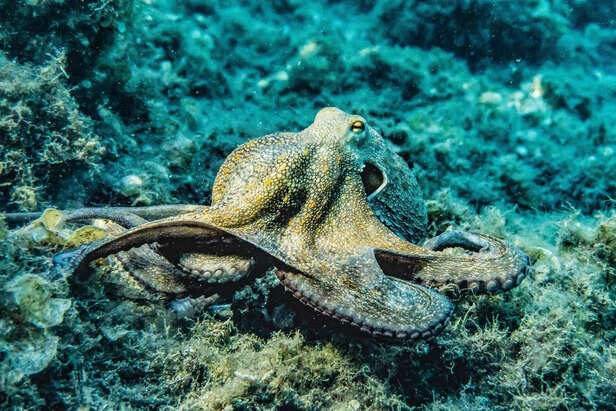
Among all animal mothers, the octopus carries one of the most tragic stories. After mating, the female lays tens of thousands of eggs in a hidden den. From that moment on, her life belongs entirely to them. She stops hunting and eating. She spends months cleaning the eggs, gently blowing water over them to keep them oxygenated. She guards them fiercely from predators, even as her body weakens. By the time the eggs hatch, the mother is exhausted beyond recovery. Shortly after her babies begin life, she dies. She never sees them grow. Her sacrifice is absolute. The octopus mother shows us a form of love that gives without ever receiving.
Polar Bear Mother: Courage In A World Of Ice
polar bear
Image credit : Pexels
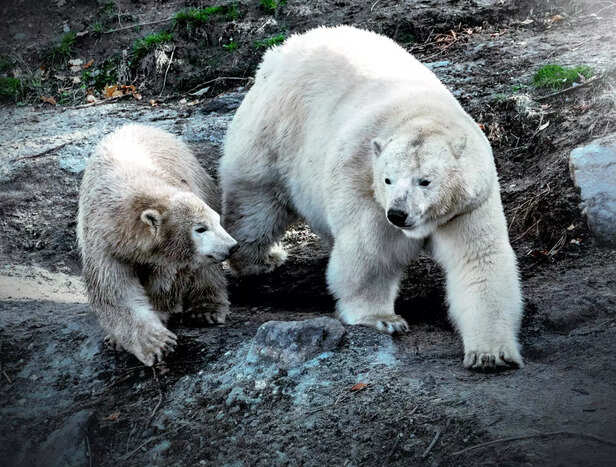
A polar bear mother raises her cubs in one of the most unforgiving environments on Earth. Pregnant females dig snow dens where they give birth during the harsh Arctic winter. For months, she does not eat, surviving only on stored body fat while nursing her cubs. When spring arrives, she emerges weak and thin but still responsible for protecting her babies. She must hunt seals while guarding her cubs from freezing temperatures, starvation, and even male polar bears who can pose a threat. Every journey across the ice is dangerous. One mistake can mean death. Yet she continues, driven by an instinct that demands courage over comfort.
Crocodile Mother: A Fierce Protector With A Gentle Instinct
Crocodiles are often misunderstood as cold and aggressive creatures, but motherhood reveals a different side. A crocodile mother guards her nest for months, staying close to protect the eggs from predators and environmental threats. When the babies hatch, she gently picks them up in her powerful jaws and carries them to water. It is one of the most striking contrasts in nature. A mouth built to kill becomes a cradle of safety. She remains near her babies for weeks, responding to their distress calls and protecting them from birds, snakes, and larger predators. Her reputation for danger fades in the presence of her maternal instinct.
Cheetah Mother: Bravery In A Land Of Loss
cheetah
Image credit : Pexels
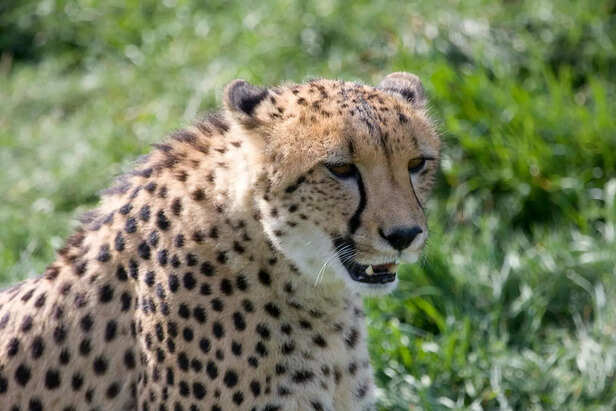
Cheetah mothers raise their cubs alone in open grasslands filled with danger. Lions, hyenas, leopards, and even eagles threaten their babies. She must hunt daily to feed them, leaving them hidden and vulnerable. Many cubs do not survive their first year, yet the mother never stops trying. She moves her cubs frequently to avoid detection, teaches them how to hunt, and defends them when possible despite being physically weaker than many predators. Her life becomes a cycle of fear and hope, loss and resilience. Every surviving cub is a victory earned through relentless courage.
Why Animal Mothers Face Higher Risks Than Fathers
In most species, mothers carry the greatest burden of care. Pregnancy, birth, nursing, and early protection fall almost entirely on them. This responsibility exposes them to predators, exhaustion, and starvation. While fathers may play roles in some species, the mother is often the final shield between life and death for her offspring. Her body becomes both nourishment and defense. Her instincts sharpen because survival depends on it.
The Emotional Intelligence Of Animal Mothers
Animal mothers do more than protect physically. They recognize distress, respond to danger, and adapt their behavior based on their baby’s needs. Elephant mothers comfort crying calves. Crocodile mothers respond to vocal signals. Polar bears adjust their movements to match their cubs’ pace. These behaviors reflect emotional awareness that goes beyond basic instinct. Motherhood in animals is not mechanical. It is responsive, intuitive, and deeply personal.
Loss Is A Part Of The Wild
Not all animal motherhood stories have happy endings. Many mothers lose their babies despite their efforts. In such moments, grief is visible. Elephants linger near the bodies of lost calves. Primates show signs of depression. Even predators experience loss. These moments remind us that animals are not untouched by emotion. Motherhood makes them vulnerable not just physically but emotionally.
Lessons Humans Can Learn From Animal Mothers
elephant
Image credit : Pexels
Animal mothers teach us that love is not always soft. Sometimes it is fierce. Sometimes it is a silent sacrifice. Sometimes it is endurance without recognition. They show us that care is an action repeated daily, often without reward. In a world that measures success in outcomes, animal mothers remind us that effort itself holds value.
Why These Stories Matter Today
At a time when many species face extinction due to habitat loss and climate change, understanding animal motherhood becomes even more important. Protecting mothers means protecting future generations. Conservation efforts often focus on numbers, but behind every number is a mother fighting to keep her baby alive. Recognizing their struggle creates empathy and responsibility. Across species, environments, and forms, one truth remains constant. A mother’s love reshapes her world. Whether it is an elephant standing guard, an octopus fading away, or a cheetah running against impossible odds, the message is the same. Life continues because someone was willing to risk everything.
Animal mothers do not ask for recognition. They do not tell stories of their sacrifices. Yet their lives are some of the most powerful stories nature offers. They remind us that love is not measured by comfort or safety but by what one is willing to lose to protect another. In the wild, motherhood is not just an instinct. It is an act of courage repeated every single day.
Celebrate the bond with your pets, explore Health & Nutrition, discover Breeds, master Training Tips, Behavior Decoder, and set out on exciting Travel Tails with Times Pets!