
10 Rare Cat Breeds You Almost Never See in Real Life
Deepak Rajeev | May 12, 2026, 19:04 IST

Extreme Rare Cat Breeds | Instagram - @animalworldus.1
This article explores 10 rare cat breeds that are rarely seen in real life, including Sokoke, Khao Manee, Lykoi, Savannah, and more. It explains their origins, unique genetic traits, and limited populations. Some are naturally occurring, while others result from selective breeding. These exotic cats are uncommon due to geography, genetics, and strict breeding practices, making them highly fascinating and rare.
Some cat breeds are so uncommon that even lifelong cat lovers may never encounter them in person. While millions of domestic cats live around the world, only a small number belong to rare or geographically limited breeds shaped by isolation, selective breeding, or unique genetic traits. These cats often carry fascinating histories and distinctive appearances that set them apart from everyday house cats. What makes these breeds especially intriguing is that rarity is not always about extinction risk. In many cases, it is about limited breeding populations, strict standards, or very small global communities of breeders who maintain them. The result is a group of cats that feel almost mythical in everyday life.
1.
![Sokoke Cat | Instagram - @catnadocat]() The Sokoke cat originates from the Arabuko-Sokoke Forest in Kenya and is considered one of the rarest naturally occurring domestic cat breeds. Unlike man-made breeds, it developed in the wild environment, giving it a lean body and distinct striped coat that blends into forest surroundings. Its rarity comes from its extremely limited natural habitat and small breeding population outside Africa. Most Sokoke cats today exist only within controlled conservation or specialized breeding programs.
The Sokoke cat originates from the Arabuko-Sokoke Forest in Kenya and is considered one of the rarest naturally occurring domestic cat breeds. Unlike man-made breeds, it developed in the wild environment, giving it a lean body and distinct striped coat that blends into forest surroundings. Its rarity comes from its extremely limited natural habitat and small breeding population outside Africa. Most Sokoke cats today exist only within controlled conservation or specialized breeding programs.
2. Khao Manee – The Ancient Thai Royal Cat
![Khao Manee | Instagram - @animalworldus.1]() The Khao Manee is a pure white cat from Thailand, historically associated with royalty and believed to bring good fortune. One of its most striking features is its eyes, which can be blue, gold, or even two different colors. For centuries, this breed was carefully protected within Thailand, which limited its global spread. Even today, authentic Khao Manee cats remain rare outside Southeast Asia.
The Khao Manee is a pure white cat from Thailand, historically associated with royalty and believed to bring good fortune. One of its most striking features is its eyes, which can be blue, gold, or even two different colors. For centuries, this breed was carefully protected within Thailand, which limited its global spread. Even today, authentic Khao Manee cats remain rare outside Southeast Asia.
![Lykoi | Instagram - @werewolf_lykoi]() The Lykoi is a naturally occurring mutation breed that gives it a partially hairless, patchy coat, making it resemble a small werewolf. Despite its unusual appearance, it is a friendly and social domestic cat. Its rarity comes from the specific genetic mutation required for its coat pattern, which only appears in small controlled breeding lines.
The Lykoi is a naturally occurring mutation breed that gives it a partially hairless, patchy coat, making it resemble a small werewolf. Despite its unusual appearance, it is a friendly and social domestic cat. Its rarity comes from the specific genetic mutation required for its coat pattern, which only appears in small controlled breeding lines.
4.
The Savannah cat is a hybrid between a domestic cat and the African serval. It is known for its tall legs, spotted coat, and wild appearance that resembles a small jungle cat. Early-generation Savannahs are especially rare due to complex breeding requirements and restrictions in certain regions. Their exotic look and energetic personality make them highly sought after but difficult to obtain.
The Peterbald is a Russian-origin cat known for its slim body and varying degrees of hairlessness. It was developed through selective breeding involving Oriental Shorthairs and other genetic lines. Because it is a relatively modern breed, its population remains small, and maintaining its unique traits requires careful and limited breeding practices.
The Korat is a silver-blue cat native to Thailand and traditionally regarded as a symbol of good fortune. It has a muscular build and striking green eyes that give it a unique appearance. For many years, Korats were rarely exported outside Thailand, which kept their global population low and contributed to their rarity.
The Kurilian Bobtail comes from the remote Kuril Islands between Russia and Japan. Its short, pom-pom-like tail is one of its most distinctive features. Due to its isolated island origin, the breed remained geographically limited for a long time. Even today, it is not commonly found outside specialized breeding circles.
The American Wirehair is a rare breed that originated from a spontaneous genetic mutation in the United States. Its coat is unique, with a crimped, wiry texture unlike any other domestic cat. Because the mutation is rare and breeding lines are limited, the population of this breed remains relatively small.
The Burmilla was created accidentally in the United Kingdom through a cross between a Burmese and a Chinchilla Persian. It quickly became known for its silver-shaded coat and gentle temperament. Despite its beauty, it remains uncommon because it requires specific breeding conditions and is still relatively new compared to older established breeds.
The American Bobtail is known for its short tail and wild appearance that resembles a small lynx. Despite its rugged look, it is a friendly and affectionate domestic cat. Its rarity is mainly due to its limited breeding population and relatively recent development as a recognized breed.
Rare cat breeds are not just unusual pets; they are the result of geography, genetics, and careful human preservation. Some evolved in isolation, others were shaped by mutations, and a few were carefully maintained through selective breeding over generations. What makes them fascinating is not only their appearance but the fact that most people will never encounter them in real life. In a world filled with common domestic cats, these rare breeds stand as reminders of just how diverse and extraordinary feline evolution can be.
Celebrate the bond with your pets, explore Health & Nutrition, discover Breeds, master Training Tips, Behavior Decoder, and set out on exciting Travel Tails with Times Pets!
1. Sokoke Cat – The Forest Survivor of Africa
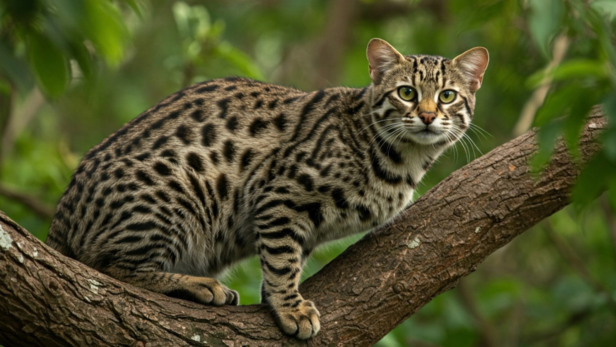
Sokoke Cat | Instagram - @catnadocat
2. Khao Manee – The Ancient Thai Royal Cat
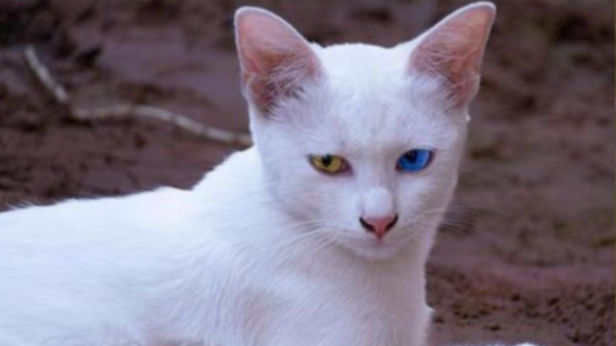
Khao Manee | Instagram - @animalworldus.1
3. Lykoi – The “Werewolf Cat”
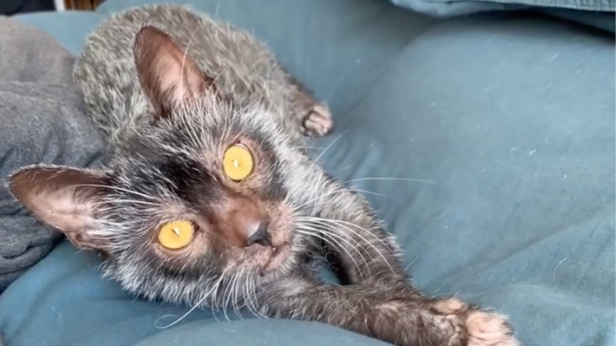
Lykoi | Instagram - @werewolf_lykoi
4. Savannah Cat – The Exotic Hybrid Giant
The Savannah cat is a hybrid between a domestic cat and the African serval. It is known for its tall legs, spotted coat, and wild appearance that resembles a small jungle cat. Early-generation Savannahs are especially rare due to complex breeding requirements and restrictions in certain regions. Their exotic look and energetic personality make them highly sought after but difficult to obtain.
5. Peterbald – The Elegant Hairless Breed
The Peterbald is a Russian-origin cat known for its slim body and varying degrees of hairlessness. It was developed through selective breeding involving Oriental Shorthairs and other genetic lines. Because it is a relatively modern breed, its population remains small, and maintaining its unique traits requires careful and limited breeding practices.
6. Korat – The Thai Symbol of Luck
The Korat is a silver-blue cat native to Thailand and traditionally regarded as a symbol of good fortune. It has a muscular build and striking green eyes that give it a unique appearance. For many years, Korats were rarely exported outside Thailand, which kept their global population low and contributed to their rarity.
7. Kurilian Bobtail – The Island Hunter
The Kurilian Bobtail comes from the remote Kuril Islands between Russia and Japan. Its short, pom-pom-like tail is one of its most distinctive features. Due to its isolated island origin, the breed remained geographically limited for a long time. Even today, it is not commonly found outside specialized breeding circles.
8. American Wirehair – The Unusual Coat Mutation
The American Wirehair is a rare breed that originated from a spontaneous genetic mutation in the United States. Its coat is unique, with a crimped, wiry texture unlike any other domestic cat. Because the mutation is rare and breeding lines are limited, the population of this breed remains relatively small.
9. Burmilla – The Accidental Elegant Breed
The Burmilla was created accidentally in the United Kingdom through a cross between a Burmese and a Chinchilla Persian. It quickly became known for its silver-shaded coat and gentle temperament. Despite its beauty, it remains uncommon because it requires specific breeding conditions and is still relatively new compared to older established breeds.
10. American Bobtail – The Wild-Looking Companion
The American Bobtail is known for its short tail and wild appearance that resembles a small lynx. Despite its rugged look, it is a friendly and affectionate domestic cat. Its rarity is mainly due to its limited breeding population and relatively recent development as a recognized breed.
Final Insight: Why These Cats Are So Rare
Rare cat breeds are not just unusual pets; they are the result of geography, genetics, and careful human preservation. Some evolved in isolation, others were shaped by mutations, and a few were carefully maintained through selective breeding over generations. What makes them fascinating is not only their appearance but the fact that most people will never encounter them in real life. In a world filled with common domestic cats, these rare breeds stand as reminders of just how diverse and extraordinary feline evolution can be.
Celebrate the bond with your pets, explore Health & Nutrition, discover Breeds, master Training Tips, Behavior Decoder, and set out on exciting Travel Tails with Times Pets!