Have you noticed your turtle floating sideways in its tank? At first, it might seem like it’s just resting or playing around, but if it continues for hours or even days, it’s time to take it seriously. Unlike fish that often bob around unpredictably, turtles have structured movements, and their buoyancy is tightly connected to their internal health. Sideways floating is not just a quirky habit it’s a signal. Whether it’s due to a respiratory infection, bloating, organ issues, or tank conditions, your turtle is showing you a visible symptom of internal distress. Ignoring this behavior could put your pet at serious risk. But the good news is that many causes are treatable, and with the right action, you can help your turtle recover and thrive again.
Turtle Buoyancy Problems Often Begin Inside the Lungs
![Turtle Buoyancy Problems Often Begin Inside the Lungs]()
Turtle Buoyancy Problems Often Begin Inside the Lungs
Image credit : Freepik
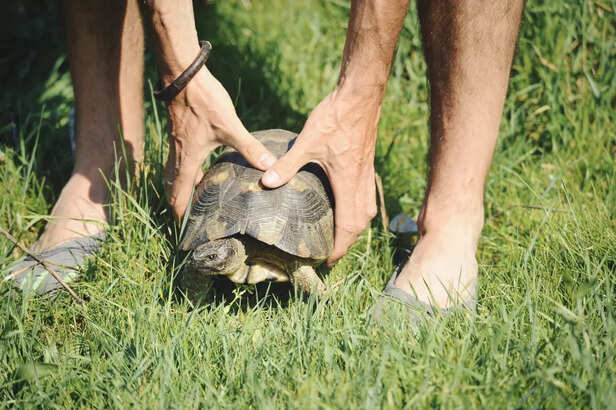
Turtles have lungs like humans, and their ability to float or sink depends heavily on how well those lungs function. Unlike fish that use swim bladders, turtles use their lungs to regulate their position in the water. So, when a turtle begins to float sideways, it often means one lung is not working properly. This may happen if the lung has been filled with fluid, pus, or mucus all signs of a respiratory infection. This is the number one internal reason turtles lose balance in the water.
When only one lung is affected, the body becomes heavier on that side, leading to uneven floating. The turtle may also find it hard to submerge or stay upright. This issue is usually not visible on the surface, and that’s what makes it dangerous. By the time you notice your turtle floating abnormally, the infection has likely progressed to a critical stage.
Infections can be triggered by a number of causes, including bacteria, viruses, or fungi. Cold and dirty water, poor tank maintenance, and sudden changes in temperature often create a breeding ground for such organisms. The body of a turtle, when kept under stress, cannot fight off these infections efficiently, and the lungs are among the first organs to suffer.
Pay close attention to additional signs like breathing with the mouth open, bubbly nostrils, wheezing sounds, or constant basking. These are red flags that your turtle’s lungs are in trouble. Immediate veterinary help is essential in these cases. A vet may prescribe antibiotics, oxygen support, or in rare cases, fluid drainage from the lungs. The earlier this is detected, the better the recovery chances for your turtle.
Digestive Issues and Diet Mistakes Can Lead to Gas and Bloating
![Digestive Issues and Diet Mistakes Can Lead to Gas and Bloating]()
Digestive Issues and Diet Mistakes Can Lead to Gas and Bloating
Image credit : Freepik
Not all sideways floating comes from respiratory illness. Sometimes, the issue is gastrointestinal. Many turtles suffer from bloating or gas buildup, especially when they’re fed a poor or unbalanced diet. Just like humans feel uncomfortable and bloated after eating the wrong food, turtles can experience internal pressure, making it hard for them to swim properly.
Gas buildup from indigestible food or rapid fermentation inside the gut can cause one side of the body to inflate more than the other, disturbing the balance. This makes the turtle float unevenly, which is often misdiagnosed as a lung issue. However, a simple diet check may reveal the root of the problem.
Overfeeding is another common mistake. Turtle owners sometimes assume their pets are always hungry because they beg for food. But turtles need controlled portions. Feeding them too many protein-rich foods or carbohydrate-heavy veggies like corn, peas, or fruits can lead to fermentation in the stomach. That fermentation releases gas that may trap itself in the digestive tract.
To prevent this, always offer your turtle a balanced mix of leafy greens (like romaine, dandelion leaves), protein (insects, cooked fish), and calcium sources. Avoid human food, processed pellets with fillers, and sugary treats. If your turtle is already floating sideways, try giving it a day of fasting followed by light feeding with easy-to-digest food like boiled pumpkin. Sometimes this alone helps relieve the bloating, and the floating behavior disappears within 24 to 48 hours.
Dirty Tanks and Cold Water Are Hidden Triggers You Might Be Overlooking
![Cold Water Are Hidden Triggers You Might Be Overlooking]()
Cold Water Are Hidden Triggers You Might Be Overlooking
Image credit : Freepik
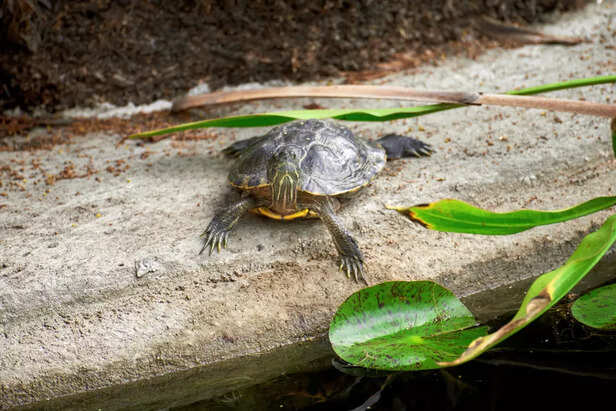
The tank environment is more important than most pet owners realize. A turtle doesn’t just need water to survive it needs clean, temperature-controlled water to thrive. Sideways floating can also result from poor tank conditions. Water that is too cold slows the turtle’s metabolism, making digestion difficult and weakening the immune system. Cold water also encourages bacterial growth, increasing the chances of a respiratory infection.
If the tank is not cleaned regularly or lacks a good filtration system, harmful bacteria will build up quickly. These bacteria enter the turtle’s system through drinking, open wounds, or even through the shell. If you’re seeing cloudy water, algae growth, or a foul smell, you’ve already reached a danger zone.
The ideal water temperature for most turtle species is between 75 to 80°F. Basking spots should be warmer, around 85 to 90°F, to help the turtle digest food and dry off completely. A lack of basking can lead to shell rot and respiratory illness. Turtles also need UVB lighting for calcium absorption and immune health.
Floating sideways might be your turtle’s way of reacting to discomfort in the water. Before assuming it’s sick, check all your equipment. Is your filter running efficiently? Is the heater working correctly? Are you changing 25 to 50 percent of the water weekly? Are you testing for pH, ammonia, and nitrates?
Tank stress is one of the easiest causes to fix. Just by optimizing temperature, cleanliness, and light exposure, many turtle owners have seen rapid improvement in behavior and overall health.
Physical Injuries and Genetic Deformities Can Affect Swimming Balance
![Physical Injuries and Genetic Deformities Can Affect Swimming Balance]()
Physical Injuries and Genetic Deformities Can Affect Swimming Balance
Image credit : Freepik
Not all causes of sideways floating are internal. Sometimes the reason is structural. If your turtle has suffered a fall or physical trauma, it might damage the shell or spine. This could affect the way the turtle balances in the water. Even minor injuries that go unnoticed to the naked eye can disrupt posture and movement.
Genetic issues also play a role. Some turtles are born with malformed lungs, shell imbalances, or muscular weakness that only show up as they grow older. These cases are rare but possible. If you’ve ruled out infection, bloating, and tank problems, it’s worth getting your turtle examined physically by a reptile specialist.
Signs of injury-related floating often come with behavior changes. The turtle might refuse to eat, stay inactive, or panic when trying to dive. A vet might recommend X-rays or ultrasound to check for internal injuries. Recovery from injury depends on severity, but many turtles bounce back with physical therapy, rest, and proper care.
In some cases, turtles with deformities may need permanent lifestyle adjustments. This could include adjusting water depth, adding ramps for easier basking, or changing the diet to prevent further strain. A supportive habitat becomes their lifeline, helping them live a quality life despite physical limitations.
Acting Early Can Save Your Turtle’s Life
![Acting Early Can Save Your Turtle’s Life]()
Acting Early Can Save Your Turtle’s Life
Image credit : Freepik
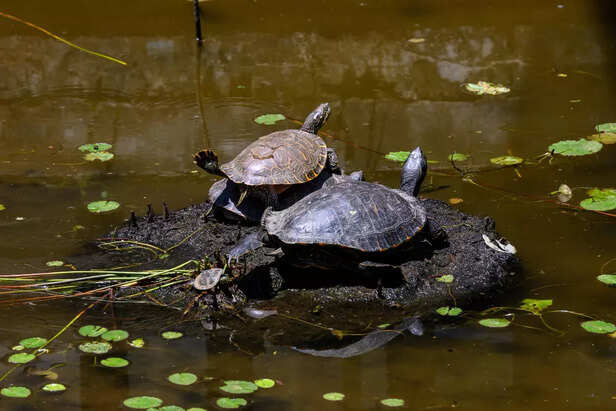
The most dangerous mistake a turtle owner can make is waiting too long. Many signs of distress in turtles are subtle. They do not cry, whine, or show pain in ways we easily understand. Floating sideways is one of the rare visible signs that something is wrong, and it must be taken seriously.
The earlier you respond, the better the outcome. Delaying medical attention or failing to change the tank conditions can lead to permanent lung damage, organ failure, or even death. If your turtle is also not eating, struggling to dive, or showing unusual behavior, consider it an emergency.
Build a relationship with a reptile veterinarian even before your turtle shows symptoms. Regular check-ups, stool tests, and even annual shell exams can help catch issues early. Keep a log of behavior patterns and appetite changes so that any shift becomes obvious.
Floating sideways may not always be fatal, but it is never meaningless. Your turtle is trying to communicate, and your job as a pet parent is to listen, understand, and act.
Turtles are calm, quiet creatures, which makes it easy to overlook signs of trouble. But when your turtle starts floating sideways, it's not just relaxing it's signaling a problem. Whether the cause is respiratory infection, gas buildup, poor tank maintenance, or even physical injury, this unusual behavior should be your wake-up call. Early detection, proper tank care, a balanced diet, and medical support can all make a life-saving difference.
A floating turtle is not a mystery. It’s a message. One that you must not ignore. Because with attention, care, and love, your turtle can return to healthy swimming, happy basking, and a life full of gentle peace in its watery world.
Discover expert advice and the latest tips on pet care, training, health, and more. Stay updated with all things pets at
Times Pets!
Frequently Asked Questions (FAQs)- Why is my turtle floating sideways but acting normal?
It might be hiding symptoms of bloating or mild infection. - Can turtles float sideways due to overfeeding?
Yes, overfeeding can cause gas buildup leading to imbalance. - How long should I wait before visiting a vet?
If floating continues for more than 24 hours, see a vet immediately. - Will the floating go away on its own?
Not usually identifying and treating the cause is essential. - Can poor lighting cause floating issues?
Lack of UVB lighting can lead to immune problems that cause related symptoms.