
Your Mood, Their World: Understanding Pet Stress
Lipta sharma | Jan 10, 2026, 13:30 IST

No words, no explanations just feelings understood..
Image credit : Freepik
This article explains how human stress quietly affects pets, influencing their emotions, behavior, and health, and highlights simple ways pet parents can create a calmer, safer world for their animals.
pets are far more emotionally aware than we frequently assume. While they may not understand human language while, they're highly skilled at seeing feelings. A change in tone, body language, or daily routine can strongly impact or influence how a pet feels. many pet parents remain unaware that their own stress can quietly shape their pet’s emotional well being. Understanding this connection is essential for creating a healthy and supportive environment for pets .
![She didn’t ask what was wrong, she just stayed cats know when hearts need company..]()
pets constantly observe their humans. dogs, cats, and other companion creatures read facial expressions, posture, breathing patterns, and voice tone. When humans witness stress, the body releases hormones similar as cortisol. pets can detects these chemical changes through smell and associate them with discomfort or uncertainty
This is why pets may appear restless, withdrawn, or unusally clingy when their owner is stressed, even if no words are spoken.
![Dogs read what our bodies express tense movements and restless energy speak louder than words.]()
Stress frequently changes the way people move and behave. Tense shoulders, quick movements, shallow breathing, or reduced eye contact all signal emotional strain. pets interpret these signals as signs that something is wrong in their environment.
Common responses include
pets may not understand words, but they understand tone. A tired, bothered, or tense voice can make pets feel uneasy, indeed during normal relations. animals respond to emotional cues more strongly than language.
A calm and steady tone reassures pets , while emotional unpredictability can produce confusion and fear.
Human stress frequently leads to changes in daily routines. Missed walks, delayed meals, reduced playtime, or reduced affection can deeply affect pets . animals thrive on routine because it gives them a sense of structure and security.
When routines are disturbed, pets may show:
These actions are frequently misunderstood as misbehavior , but they're generally signs of stress.
Pets frequently mirror the emotional state of their owners. A calm human creates a calm atmosphere, while an anxious human can unknowingly create emotional tension.
Research suggests that pets living with chronically stressed owners often show increased stress hormone levels themselves. This emotional connection highlights how deeply pets are affected by their human’s mental state.
Ongoing stress can weaken a pet’s immune system and overall health. Over time, it may lead to digestive issues, skin problems, behavioral changes, or emotional withdrawal . Because pets can not express stress verbally, these warning signs are frequently overlooked until they come serious.
Stress is a natural part of life, but small changes can protect pets from its effects. mindfulness is the first step.
Helpful practices include:
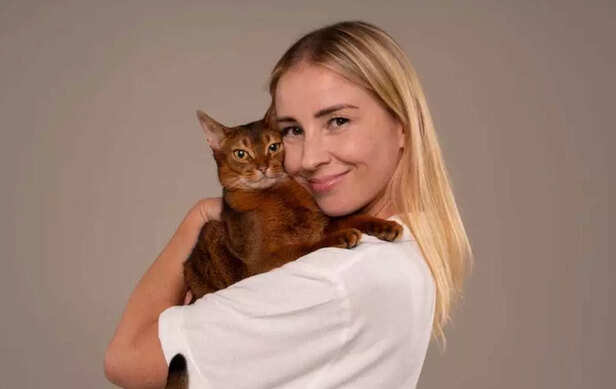
![When a human chooses calm, a cat feels safe without a single word being spoken.]()
Pets experience the world through the emotional environment we create. Our moods, energy, and reactions quietly shape their sense of safety and belonging. While stress is unavoidable, awareness makes all the difference. When pet parents slow down, speak gently, and care for their own emotional health, pets feel reassured without a single word being spoken. In choosing calm, you are not just soothing yourself you are giving your pet a world where comfort, trust, and emotional security can truly thrive.
Celebrate the bond with your pets, explore Health & Nutrition, discover Breeds, master Training Tips, Behavior Decoder, and set out on exciting Travel Tails with Times Pets!
Frequently Asked Questions (FAQs)
She didn’t ask what was wrong, she just stayed cats know when hearts need company..
Image credit : Freepik
How pets Sense human feelings
pets constantly observe their humans. dogs, cats, and other companion creatures read facial expressions, posture, breathing patterns, and voice tone. When humans witness stress, the body releases hormones similar as cortisol. pets can detects these chemical changes through smell and associate them with discomfort or uncertainty
This is why pets may appear restless, withdrawn, or unusally clingy when their owner is stressed, even if no words are spoken.

Dogs read what our bodies express tense movements and restless energy speak louder than words.
Image credit : Freepik
Body Language and Emotional Energy
Stress frequently changes the way people move and behave. Tense shoulders, quick movements, shallow breathing, or reduced eye contact all signal emotional strain. pets interpret these signals as signs that something is wrong in their environment.
Common responses include
- dogs getting anxious, vocal, or aggressive
- cats hiding, avoiding intraction, or overgrooming
- smaller pets showing fear or reduced activity
The Power of Voice and Tone
pets may not understand words, but they understand tone. A tired, bothered, or tense voice can make pets feel uneasy, indeed during normal relations. animals respond to emotional cues more strongly than language.
A calm and steady tone reassures pets , while emotional unpredictability can produce confusion and fear.
Routine dislocations and Pet Anxiety
Human stress frequently leads to changes in daily routines. Missed walks, delayed meals, reduced playtime, or reduced affection can deeply affect pets . animals thrive on routine because it gives them a sense of structure and security.
When routines are disturbed, pets may show:
- Excessive barking or meowing
- Destructive behavior
- Loss of appetite
- Changes in sleep patterns
These actions are frequently misunderstood as misbehavior , but they're generally signs of stress.
Emotional reflecting Between pets and Humans
Pets frequently mirror the emotional state of their owners. A calm human creates a calm atmosphere, while an anxious human can unknowingly create emotional tension.
Research suggests that pets living with chronically stressed owners often show increased stress hormone levels themselves. This emotional connection highlights how deeply pets are affected by their human’s mental state.
Long- Term effects of Stress on pets
Ongoing stress can weaken a pet’s immune system and overall health. Over time, it may lead to digestive issues, skin problems, behavioral changes, or emotional withdrawal . Because pets can not express stress verbally, these warning signs are frequently overlooked until they come serious.
How Pet Parents Can Reduce Stress Transfer
Stress is a natural part of life, but small changes can protect pets from its effects. mindfulness is the first step.
Helpful practices include:
- Maintaining consistent routines
- Spending calm, focused time with pets
- Using gentle voice tones
- Creating quiet spaces for pets
- rehearsing self- care and emotional balance

When a human chooses calm, a cat feels safe without a single word being spoken.
Image credit : Freepik
Where Your Calm Becomes Their Comfort
Pets experience the world through the emotional environment we create. Our moods, energy, and reactions quietly shape their sense of safety and belonging. While stress is unavoidable, awareness makes all the difference. When pet parents slow down, speak gently, and care for their own emotional health, pets feel reassured without a single word being spoken. In choosing calm, you are not just soothing yourself you are giving your pet a world where comfort, trust, and emotional security can truly thrive.
Celebrate the bond with your pets, explore Health & Nutrition, discover Breeds, master Training Tips, Behavior Decoder, and set out on exciting Travel Tails with Times Pets!
Frequently Asked Questions (FAQs)
- Can pets feel human stress?
Yes, pets sense human stress through tone, body language, scent, and routine changes. - What are common signs of stress in pets?
Behavior changes like hiding, aggression, excessive noise, or loss of appetite often signal stress. - Can human stress affect a pet’s health?
Long-term exposure to stress can weaken a pet’s immunity and overall well-being. - How can pet parents prevent stress transfer?
Staying calm, maintaining routines, and practicing self-care help protect pets from stress.