
Why Your Pet Sleeps on Your Clothes Instead of Its Bed
Deepak Rajeev | May 07, 2026, 08:00 IST

Cat Sleeping Indoors
Image credit : Freepik
This article explains why pets often sleep on their owner’s clothes instead of their own bed. It explores the psychology of scent bonding, emotional security, warmth preference, and instinctive behavior in dogs and cats. It reveals how your smell provides comfort, reduces anxiety, and strengthens attachment, making your clothes feel more comforting and meaningful than any pet bed.
At first glance, it feels like one of those oddly personal pet habits that makes no sense. You buy a soft, comfortable bed, place it in a perfect corner, and still your dog or cat chooses your worn T-shirt or a pile of laundry instead. It might seem random, but animal behavior research shows this is actually one of the most instinct-driven forms of comfort-seeking. What looks like a strange habit is really a mix of scent memory, emotional bonding, and natural survival instinct.
![Couple holding cat]() The strongest reason pets sleep on your clothes is surprisingly simple: your smell. Dogs and cats rely heavily on scent to understand their environment, and your clothing carries the most concentrated version of your personal odor. It is not just fragrance, but a combination of skin oils, pheromones, and daily-life scent markers that animals instantly recognize. For pets, your scent represents safety and familiarity. Studies and behavioral observations show that animals often seek out objects that carry their owner’s smell when they are resting or feeling uncertain. This is why your clothes become more comforting than a dedicated pet bed, even if that bed is physically softer or warmer. In their mind, your clothes are not fabric. They are you.
The strongest reason pets sleep on your clothes is surprisingly simple: your smell. Dogs and cats rely heavily on scent to understand their environment, and your clothing carries the most concentrated version of your personal odor. It is not just fragrance, but a combination of skin oils, pheromones, and daily-life scent markers that animals instantly recognize. For pets, your scent represents safety and familiarity. Studies and behavioral observations show that animals often seek out objects that carry their owner’s smell when they are resting or feeling uncertain. This is why your clothes become more comforting than a dedicated pet bed, even if that bed is physically softer or warmer. In their mind, your clothes are not fabric. They are you.
Another deeper reason is emotional attachment. Pets, especially dogs, are social animals that form strong bonds with their human companions. When you are not physically present, your scent acts as a substitute for your presence. Sleeping on your clothes helps reduce separation anxiety and creates a feeling of closeness. Dogs in particular are known to use scent-based objects as emotional anchors, especially when their owners are away. This behavior is closely linked to pack instinct, where being near the “leader” or their scent creates emotional stability. Even cats, often seen as independent, show similar behavior. They may choose laundry piles or worn clothes because it helps them feel emotionally grounded in their territory and their bond with you.
![Sleeping Cat]() Beyond emotion, there is also pure physical comfort involved. Clothes, especially when freshly worn or left in a pile, retain body heat and form soft, irregular shapes that animals naturally find appealing. Cats, in particular, are drawn to warm and enclosed spaces that mimic safe resting environments. Clothes provide both warmth and a nest-like structure that feels more natural than a flat pet bed. Dogs also tend to seek soft surfaces that carry familiar heat and texture, which makes clothing an easy comfort zone. This combination of warmth and softness triggers an instinctive relaxation response, which is why pets often fall asleep quickly once they settle on your clothes.
Beyond emotion, there is also pure physical comfort involved. Clothes, especially when freshly worn or left in a pile, retain body heat and form soft, irregular shapes that animals naturally find appealing. Cats, in particular, are drawn to warm and enclosed spaces that mimic safe resting environments. Clothes provide both warmth and a nest-like structure that feels more natural than a flat pet bed. Dogs also tend to seek soft surfaces that carry familiar heat and texture, which makes clothing an easy comfort zone. This combination of warmth and softness triggers an instinctive relaxation response, which is why pets often fall asleep quickly once they settle on your clothes.
There is also a territorial layer to this behavior that is often overlooked. When pets lie on your clothes, they are not only absorbing your scent but also leaving their own. Cats, in particular, have scent glands that allow them to mark objects by lying or rubbing against them. This creates a shared scent profile between you and your pet, which strengthens their sense of belonging. In simple terms, your clothes become a shared “identity space” where both your scents mix together. Dogs may not mark in the same way, but they still associate your belongings with their social group, reinforcing the idea that your scent-covered items are part of their safe territory.
What makes this behavior so fascinating is that it sits at the intersection of instinct and emotion. Your pet is not ignoring its bed out of rebellion or confusion. It is choosing what feels emotionally and physically most secure. In their world, your clothes are not just fabric on the floor. They are warmth, familiarity, safety, and connection all at once. That is why even the most expensive pet bed often loses to a simple T-shirt left behind. In the end, this small habit reveals something larger about the human-animal bond. Pets do not just live beside us. They emotionally map us through scent, memory, and routine. And sometimes, the closest they can feel to you is simply by sleeping on what you wore.
At first glance, it feels like one of those oddly personal pet habits that makes no sense. You buy a soft, comfortable bed, place it in a perfect corner, and still your dog or cat chooses your worn T-shirt or a pile of laundry instead. It might seem random, but animal behavior research shows this is actually one of the most instinct-driven forms of comfort-seeking. What looks like a strange habit is really a mix of scent memory, emotional bonding, and natural survival instinct.
Celebrate the bond with your pets, explore Health & Nutrition, discover Breeds, master Training Tips, Behavior Decoder, and set out on exciting Travel Tails with Times Pets!
The Powerful Role of Your Scent in Pet Psychology
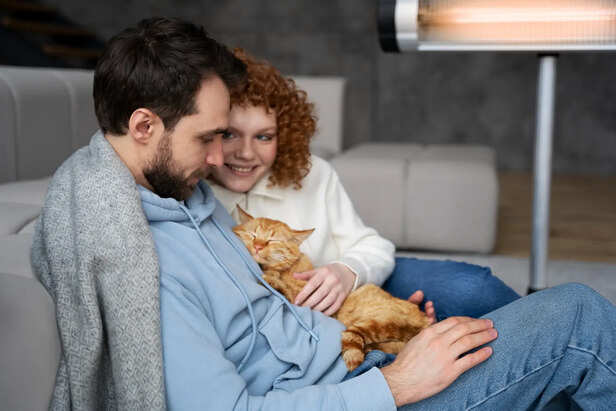
Couple holding cat
Image credit : Freepik
Emotional Security and Separation Comfort
Another deeper reason is emotional attachment. Pets, especially dogs, are social animals that form strong bonds with their human companions. When you are not physically present, your scent acts as a substitute for your presence. Sleeping on your clothes helps reduce separation anxiety and creates a feeling of closeness. Dogs in particular are known to use scent-based objects as emotional anchors, especially when their owners are away. This behavior is closely linked to pack instinct, where being near the “leader” or their scent creates emotional stability. Even cats, often seen as independent, show similar behavior. They may choose laundry piles or worn clothes because it helps them feel emotionally grounded in their territory and their bond with you.
Warmth, Texture, and Instinctive Comfort Seeking
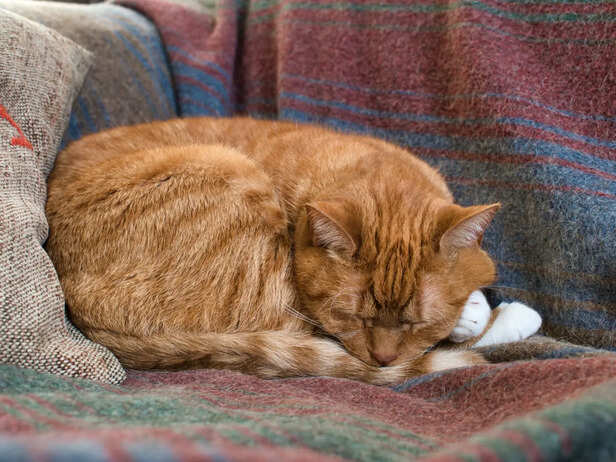
Sleeping Cat
Image credit : Freepik
Scent Marking and “Claiming” Behavior
There is also a territorial layer to this behavior that is often overlooked. When pets lie on your clothes, they are not only absorbing your scent but also leaving their own. Cats, in particular, have scent glands that allow them to mark objects by lying or rubbing against them. This creates a shared scent profile between you and your pet, which strengthens their sense of belonging. In simple terms, your clothes become a shared “identity space” where both your scents mix together. Dogs may not mark in the same way, but they still associate your belongings with their social group, reinforcing the idea that your scent-covered items are part of their safe territory.
When Love Looks Like a Laundry Habit
What makes this behavior so fascinating is that it sits at the intersection of instinct and emotion. Your pet is not ignoring its bed out of rebellion or confusion. It is choosing what feels emotionally and physically most secure. In their world, your clothes are not just fabric on the floor. They are warmth, familiarity, safety, and connection all at once. That is why even the most expensive pet bed often loses to a simple T-shirt left behind. In the end, this small habit reveals something larger about the human-animal bond. Pets do not just live beside us. They emotionally map us through scent, memory, and routine. And sometimes, the closest they can feel to you is simply by sleeping on what you wore.
At first glance, it feels like one of those oddly personal pet habits that makes no sense. You buy a soft, comfortable bed, place it in a perfect corner, and still your dog or cat chooses your worn T-shirt or a pile of laundry instead. It might seem random, but animal behavior research shows this is actually one of the most instinct-driven forms of comfort-seeking. What looks like a strange habit is really a mix of scent memory, emotional bonding, and natural survival instinct.
Celebrate the bond with your pets, explore Health & Nutrition, discover Breeds, master Training Tips, Behavior Decoder, and set out on exciting Travel Tails with Times Pets!