
Why Your Dog or Cat Might Seem Anxious on Lunar Eclipse Nights
Bindu Mishra | Sept 07, 2025, 08:22 IST

Luner Eclipse
Image credit : Pixabay
The night sky often has a way of pulling us in. Stars twinkle, the moon glows brightly, and on rare occasions, the moon disappears into a mysterious reddish hue during a lunar eclipse. For us humans, it is a sight of wonder, sometimes mixed with rituals, myths, and a sense of cosmic significance. But for your furry friends, things may not look so magical. If you have ever noticed your dog pacing around nervously or your cat hiding under the bed on such nights, you are not alone.
Many pet parents report that their dogs bark more, whine unusually, or appear restless during a lunar eclipse. Cats, on the other hand, may vanish into their quiet corners, refusing to come out until everything seems back to normal. So, what is it about this celestial event that unsettles our pets? Let’s walk through both the myths and the science, and then find out how you can make lunar eclipse nights easier for your four-legged companions.
![luner eclipse and animals connection]() Across cultures, eclipses have always been linked to mystery and sometimes fear. In Indian traditions, a lunar eclipse is often considered inauspicious, with instructions to stay indoors, fast, and avoid food or water until it passes. Ancient people believed animals could sense the “negative energies” surrounding an eclipse, which is why some families preferred keeping pets away from open spaces during these events.
Across cultures, eclipses have always been linked to mystery and sometimes fear. In Indian traditions, a lunar eclipse is often considered inauspicious, with instructions to stay indoors, fast, and avoid food or water until it passes. Ancient people believed animals could sense the “negative energies” surrounding an eclipse, which is why some families preferred keeping pets away from open spaces during these events.
In other parts of the world, too, stories connected animals with eclipses. Folklore in some Native American tribes suggested that animals became confused when day suddenly turned to night. In Chinese mythology, the eclipse was thought to be caused by a celestial dragon swallowing the moon. Imagine being a dog or cat in those times, suddenly seeing humans rushing around in panic during an eclipse. It’s no wonder our pets may have picked up on that sense of unease, generation after generation.Now, let’s set myths aside and step into science. From a purely astronomical point of view, a lunar eclipse is harmless. The Earth simply moves between the sun and the moon, casting a shadow that changes how we see the moon from Earth. There are no harmful rays or energies that affect living beings.
So why do pets still behave differently?
The answer lies in their heightened senses.
![How Pets React to Sudden Changes in Light During an Eclipse]()
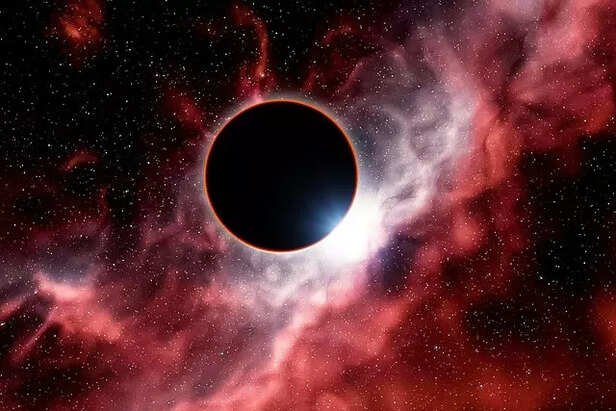
Dogs and cats are very sensitive to light. When the bright moonlight dims suddenly, it can disrupt their sense of routine. It is similar to how pets behave when there is a sudden power cut in your home.
Pets are keen observers of human emotions. If your family members show concern or follow strict rituals during an eclipse, your pets may sense your stress and mirror it.
Many animals, including pets, follow circadian rhythms influenced by daylight and moonlight. A sudden darkening of the moon may confuse them, making them restless.
In some regions, eclipses are accompanied by rituals, loud prayers, or unusual human activity at night. This extra noise and movement can disturb pets, especially those that thrive in calm and predictable environments.
So while the eclipse itself does not directly harm pets, the changes in environment and energy around them may explain their anxious behavior.
![How Dogs Express Anxiety During a Lunar Eclipse]()
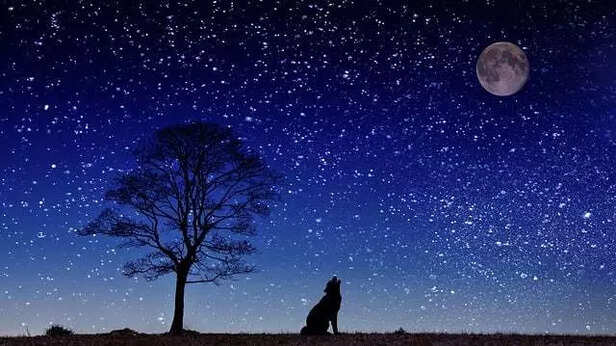
Dogs are emotionally expressive creatures. Some of the common behaviors pet parents report during eclipses include:
Think of your dog as a little child who suddenly notices something unusual happening outside. Even if they don’t understand it, they know something is different and look to you for comfort.
![Cats and Their Mysterious Eclipse Reactions]()
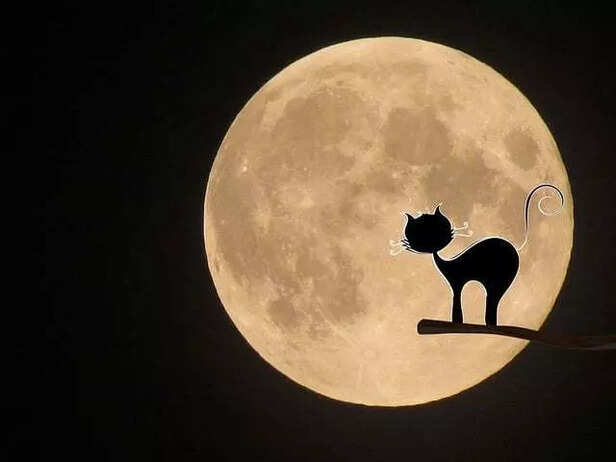
Cats tend to be more mysterious in their reactions. Instead of becoming vocal like dogs, they usually:
Hide under furniture or in dark corners
Refuse to come out until the eclipse ends
Appear extra cautious, with their ears and eyes constantly alert
Sometimes display sudden aggression or irritation
For cats, safety is often linked to control over their environment. An eclipse disrupts the natural order of things, which makes them seek shelter until balance is restored.![luner eclipse 2025]()
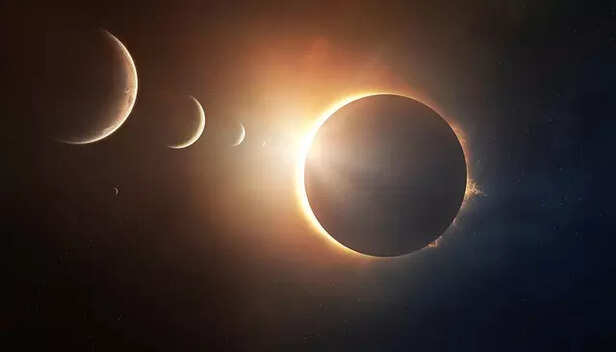
As a pet parent, your role is simple: provide reassurance and a sense of normalcy. Here are some practical ways to help your pets on eclipse nights:
Pets mirror human emotions. If you treat the night as ordinary, your pet will too. Avoid showing stress or excitement in front of them.
Set up a cozy spot with their favorite blanket or toy. If your cat prefers hiding, let them. Do not force them out.
A gentle background sound helps mask sudden noises from outside and gives your pet a sense of calm.
Offer Comforting Touch
For dogs, gentle petting or sitting beside them works wonders. For cats, respect their need for space but be available when they approach you.
Try not to alter feeding or walking times drastically. Predictability helps pets feel secure.
Some families keep windows closed during eclipses for cultural reasons. This can also help your pets by reducing their direct exposure to sudden changes in the sky.
![Pets React Differently to Lunar Eclipses]()
It is important to respect cultural and spiritual traditions surrounding eclipses. If your family observes certain rules during these times, you can still do so without neglecting your pet’s well-being. For example, if you avoid cooking during the eclipse, ensure your pet has been fed earlier in the evening. If you avoid stepping outdoors, create indoor activities that keep your pet engaged.
Remember, your dog or cat does not understand what a lunar eclipse means in religious terms. All they understand is the shift in the environment and your reaction to it. By finding the balance between tradition and modern pet care, you can keep both beliefs and furry companions happy.
Lunar eclipses may be a rare spectacle for humans, but for pets, they can be moments of confusion and unease. The good news is that these events are temporary and completely harmless. Your dog’s extra barking or your cat’s sudden hiding act is simply their way of processing an unusual night sky.
With a little preparation and lots of love, you can turn lunar eclipse nights from anxious to peaceful for your furry friends. After all, whether the moon shines bright or hides in shadow, the constant in their life is you—their trusted companion.
Discover expert advice and the latest tips on pet care, training, health, and more. Stay updated with all things pets at Times Pets!
The Ancient Beliefs Around Eclipses and Animals

luner eclipse and animals connection
Image credit : Pixabay
In other parts of the world, too, stories connected animals with eclipses. Folklore in some Native American tribes suggested that animals became confused when day suddenly turned to night. In Chinese mythology, the eclipse was thought to be caused by a celestial dragon swallowing the moon. Imagine being a dog or cat in those times, suddenly seeing humans rushing around in panic during an eclipse. It’s no wonder our pets may have picked up on that sense of unease, generation after generation.
What Science Says About Pets and Lunar Eclipses
So why do pets still behave differently?
The answer lies in their heightened senses.
Change in Light Patterns:
How Pets React to Sudden Changes in Light During an Eclipse
Image credit : Pixabay
Dogs and cats are very sensitive to light. When the bright moonlight dims suddenly, it can disrupt their sense of routine. It is similar to how pets behave when there is a sudden power cut in your home.
Human Energy:
Confusion of Natural Cycles:
Noise and Disturbance:
So while the eclipse itself does not directly harm pets, the changes in environment and energy around them may explain their anxious behavior.
How Dogs React to Lunar Eclipses
How Dogs Express Anxiety During a Lunar Eclipse
Image credit : Pixabay
Dogs are emotionally expressive creatures. Some of the common behaviors pet parents report during eclipses include:
- Restless pacing around the house
- Excessive barking or whining
- Clinginess, following owners everywhere
- Refusal to eat or drink during the event
Think of your dog as a little child who suddenly notices something unusual happening outside. Even if they don’t understand it, they know something is different and look to you for comfort.
How Cats React to Lunar Eclipses
Cats and Their Mysterious Eclipse Reactions
Image credit : Pixabay
Cats tend to be more mysterious in their reactions. Instead of becoming vocal like dogs, they usually:
Hide under furniture or in dark corners
Refuse to come out until the eclipse ends
Appear extra cautious, with their ears and eyes constantly alert
Sometimes display sudden aggression or irritation
For cats, safety is often linked to control over their environment. An eclipse disrupts the natural order of things, which makes them seek shelter until balance is restored.
What You Can Do to Keep Pets Calm During an Eclipse
luner eclipse 2025
Image credit : Pixabay
As a pet parent, your role is simple: provide reassurance and a sense of normalcy. Here are some practical ways to help your pets on eclipse nights:
Stay Calm Yourself
Create a Safe Space
Play Soft Music
Offer Comforting Touch
For dogs, gentle petting or sitting beside them works wonders. For cats, respect their need for space but be available when they approach you.
Stick to Their Routine
Avoid Overexposure
The Balance Between Belief and Care
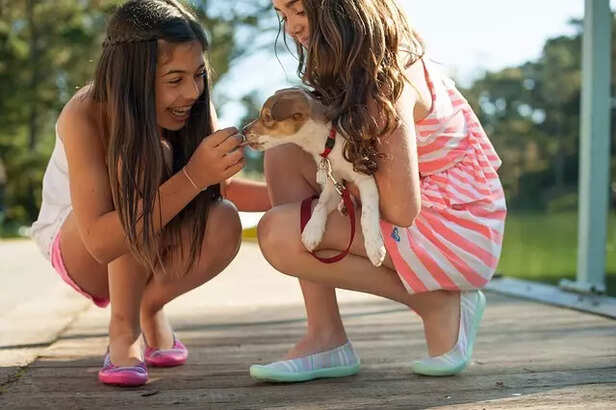
Pets React Differently to Lunar Eclipses
Image credit : Pixabay
It is important to respect cultural and spiritual traditions surrounding eclipses. If your family observes certain rules during these times, you can still do so without neglecting your pet’s well-being. For example, if you avoid cooking during the eclipse, ensure your pet has been fed earlier in the evening. If you avoid stepping outdoors, create indoor activities that keep your pet engaged.
Remember, your dog or cat does not understand what a lunar eclipse means in religious terms. All they understand is the shift in the environment and your reaction to it. By finding the balance between tradition and modern pet care, you can keep both beliefs and furry companions happy.
Lunar eclipses may be a rare spectacle for humans, but for pets, they can be moments of confusion and unease. The good news is that these events are temporary and completely harmless. Your dog’s extra barking or your cat’s sudden hiding act is simply their way of processing an unusual night sky.
With a little preparation and lots of love, you can turn lunar eclipse nights from anxious to peaceful for your furry friends. After all, whether the moon shines bright or hides in shadow, the constant in their life is you—their trusted companion.
Discover expert advice and the latest tips on pet care, training, health, and more. Stay updated with all things pets at Times Pets!