
Why the Kakapo Is One of the Hardest Birds to Find in the World
Payal Tandon | Apr 23, 2026, 12:27 IST

Kakapo Bird (Image Credit:Pexels)
The Kakapo is one of the rarest and most unusual birds in the world. Native to New Zealand, this flightless parrot is extremely hard to find due to its small population, remote habitat, and unique behaviour. This article explores why the Kakapo is so difficult to spot and what makes it one of the most fascinating birds on Earth.
Imagine a bird that cannot fly, is active mostly at night, and lives in some of the most remote places on Earth. Now imagine that only a small number of these birds exist today. This is the story of the Kakapo.
The Kakapo is not just rare. It is also one of the most unique birds you will ever learn about. It is often described as a parrot, but it does not behave like most parrots. It cannot fly, it moves slowly, and it prefers to stay hidden.
For many people, seeing a Kakapo in the wild is almost impossible. Even wildlife experts and researchers have to make great efforts to locate them.
So why is this bird so hard to find? The answer lies in its habitat, behavior, and the challenges it has faced over time.
Understanding the Kakapo is not just about learning facts. It is about appreciating how special and fragile some species are.
One of the biggest reasons the Kakapo is so hard to find is its extremely small population.
At one point, these birds were close to disappearing completely. Their numbers dropped very low due to hunting and habitat loss.
Today, thanks to conservation efforts, their population has improved slightly. But they are still considered one of the rarest birds in the world.
Because there are so few Kakapos, the chances of spotting one in the wild are very low.
Most of them are carefully protected and monitored by conservation teams. This means they are not freely roaming in places where people can easily find them.
![Red Beak Bird (Image Credit:Freepik)]()
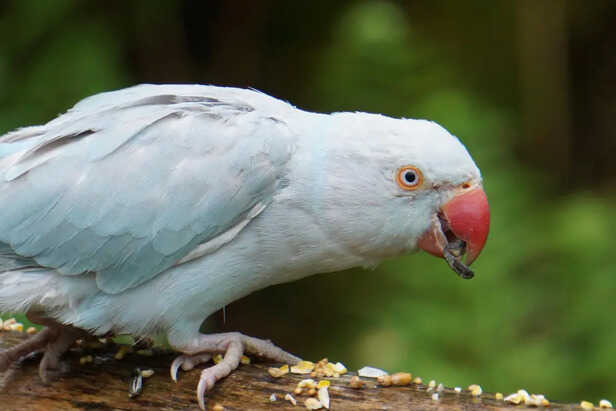
The Kakapo lives in isolated areas that are difficult to reach.
Most of them are found on protected islands in New Zealand. These locations are chosen to keep them safe from predators.
These islands are not open to regular visitors. Only authorized researchers and conservation workers are allowed to enter.
This adds another reason why the Kakapo is so hard to find. Even if you travel to New Zealand, you cannot simply go and look for one.
Their homes are carefully guarded to ensure their survival.
Another reason the Kakapo is difficult to spot is its behavior.
Kakapos are nocturnal. This means they are active at night and rest during the day.
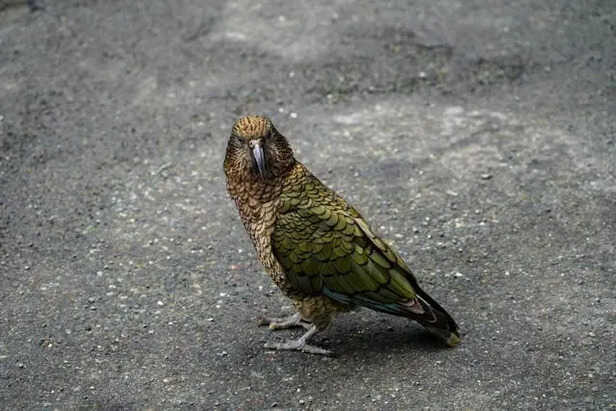
During the daytime, they stay hidden among trees, bushes, and forest areas. Their green feathers help them blend into their surroundings.
At night, they come out to search for food. But even then, they move quietly and slowly.
This secretive lifestyle makes it very hard for humans to notice them.
Even in areas where Kakapos live, spotting one requires patience and luck.
![A bird (Image Credit:Pexels)]()
Unlike most birds, the Kakapo cannot fly.
Instead of flying away from danger, it relies on staying still and blending into its environment.
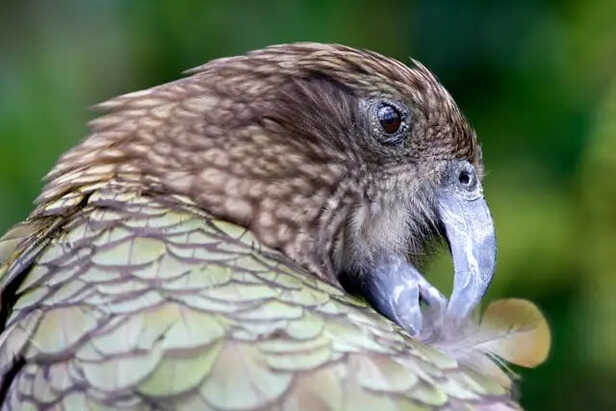
Its feathers are designed to match the colours of the forest floor. This natural camouflage makes it almost invisible.
While this ability helps protect it from predators, it also makes it harder for people to find.
You could be standing close to a Kakapo and not even realize it is there.
In the past, Kakapos faced many challenges due to human activity.
When humans arrived in New Zealand, they brought animals like cats, rats, and dogs. These animals became predators for the Kakapo.
Since the Kakapo cannot fly, it became an easy target.
This led to a rapid decline in their population.
Over time, conservation programs were created to protect them. These programs moved Kakapos to safer locations and reduced threats.
While these efforts have helped, the Kakapo remains rare.
![Good Hiding Skills (Image Credit:Pexels)]()
The Kakapo is now one of the most protected birds in the world.
Conservation teams closely monitor each bird. Many Kakapos even have tracking devices to help researchers study them.
Their locations are kept secret to protect them from harm.
This protection is important, but it also means the general public cannot easily see them.
In a way, their safety is the reason they remain so hidden.
The Kakapo is not just rare. It is a symbol of conservation and hope.
Its story shows how human actions can affect wildlife, but also how efforts can help protect and restore species.
Each Kakapo is valuable. Every small increase in their population is a success.
Learning about the Kakapo helps us understand the importance of protecting nature.
The Kakapo is one of the hardest birds to find in the world because of its small population, remote habitat, and secretive nature.
It lives in protected areas, stays hidden during the day, and moves quietly at night. All of these factors make it almost impossible to spot in the wild.
But this rarity is also what makes the Kakapo so special.
It reminds us that some of the most unique creatures on Earth need protection and care.
Even if most people never see a Kakapo in real life, knowing its story helps us appreciate the beauty and importance of wildlife.
Celebrate the bond with your pets, explore Health & Nutrition, discover Breeds, master Training Tips, Behavior Decoder, and set out on exciting Travel Tails with Times Pets!
The Kakapo is not just rare. It is also one of the most unique birds you will ever learn about. It is often described as a parrot, but it does not behave like most parrots. It cannot fly, it moves slowly, and it prefers to stay hidden.
For many people, seeing a Kakapo in the wild is almost impossible. Even wildlife experts and researchers have to make great efforts to locate them.
So why is this bird so hard to find? The answer lies in its habitat, behavior, and the challenges it has faced over time.
Understanding the Kakapo is not just about learning facts. It is about appreciating how special and fragile some species are.
A Rare Bird with a Very Small Population
One of the biggest reasons the Kakapo is so hard to find is its extremely small population.
At one point, these birds were close to disappearing completely. Their numbers dropped very low due to hunting and habitat loss.
Today, thanks to conservation efforts, their population has improved slightly. But they are still considered one of the rarest birds in the world.
Because there are so few Kakapos, the chances of spotting one in the wild are very low.
Most of them are carefully protected and monitored by conservation teams. This means they are not freely roaming in places where people can easily find them.
Living in Remote and Protected Locations
Red Beak Bird (Image Credit:Freepik)
The Kakapo lives in isolated areas that are difficult to reach.
Most of them are found on protected islands in New Zealand. These locations are chosen to keep them safe from predators.
These islands are not open to regular visitors. Only authorized researchers and conservation workers are allowed to enter.
This adds another reason why the Kakapo is so hard to find. Even if you travel to New Zealand, you cannot simply go and look for one.
Their homes are carefully guarded to ensure their survival.
A Nocturnal and Secretive Lifestyle
Another reason the Kakapo is difficult to spot is its behavior.
Kakapos are nocturnal. This means they are active at night and rest during the day.
During the daytime, they stay hidden among trees, bushes, and forest areas. Their green feathers help them blend into their surroundings.
At night, they come out to search for food. But even then, they move quietly and slowly.
This secretive lifestyle makes it very hard for humans to notice them.
Even in areas where Kakapos live, spotting one requires patience and luck.
A Flightless Bird That Relies on Camouflage
A bird (Image Credit:Pexels)
Unlike most birds, the Kakapo cannot fly.
Instead of flying away from danger, it relies on staying still and blending into its environment.
Its feathers are designed to match the colours of the forest floor. This natural camouflage makes it almost invisible.
While this ability helps protect it from predators, it also makes it harder for people to find.
You could be standing close to a Kakapo and not even realize it is there.
The Impact of Human Activity and Predators
In the past, Kakapos faced many challenges due to human activity.
When humans arrived in New Zealand, they brought animals like cats, rats, and dogs. These animals became predators for the Kakapo.
Since the Kakapo cannot fly, it became an easy target.
This led to a rapid decline in their population.
Over time, conservation programs were created to protect them. These programs moved Kakapos to safer locations and reduced threats.
While these efforts have helped, the Kakapo remains rare.
Conservation Efforts Keeping Them Hidden
Good Hiding Skills (Image Credit:Pexels)
The Kakapo is now one of the most protected birds in the world.
Conservation teams closely monitor each bird. Many Kakapos even have tracking devices to help researchers study them.
Their locations are kept secret to protect them from harm.
This protection is important, but it also means the general public cannot easily see them.
In a way, their safety is the reason they remain so hidden.
Why the Kakapo Matters So Much
The Kakapo is not just rare. It is a symbol of conservation and hope.
Its story shows how human actions can affect wildlife, but also how efforts can help protect and restore species.
Each Kakapo is valuable. Every small increase in their population is a success.
Learning about the Kakapo helps us understand the importance of protecting nature.
The Kakapo is one of the hardest birds to find in the world because of its small population, remote habitat, and secretive nature.
It lives in protected areas, stays hidden during the day, and moves quietly at night. All of these factors make it almost impossible to spot in the wild.
But this rarity is also what makes the Kakapo so special.
It reminds us that some of the most unique creatures on Earth need protection and care.
Even if most people never see a Kakapo in real life, knowing its story helps us appreciate the beauty and importance of wildlife.
Celebrate the bond with your pets, explore Health & Nutrition, discover Breeds, master Training Tips, Behavior Decoder, and set out on exciting Travel Tails with Times Pets!