
Why Some Pets Suddenly Stop Recognising Their Owners
Deepak Rajeev | May 05, 2026, 17:20 IST

Why some pets stop recognising owners
Image credit : Freepik
This article explains why some pets suddenly stop recognising their owners, exploring causes like aging, cognitive dysfunction, sensory decline, stress, and medical conditions. It highlights how dogs and cats rely on smell, sound, and routine rather than human-like memory. Most cases are not true forgetting but changes in perception, health, or environment that affect familiar recognition signals.
It can be deeply unsettling for any pet owner when a dog or cat that once responded with excitement suddenly seems distant, confused, or unresponsive. Many people describe it as if their pet “no longer recognises them.” While this appears emotional, veterinary science shows that the reality is more complex and usually involves changes in memory, sensory perception, health, or environment rather than a true loss of recognition.
Modern research in animal cognition confirms that dogs and cats rely heavily on scent, sound, routine, and emotional association rather than human-like facial memory. When one or more of these systems is disrupted, the pet’s behavior can change dramatically, creating the impression of recognition loss.
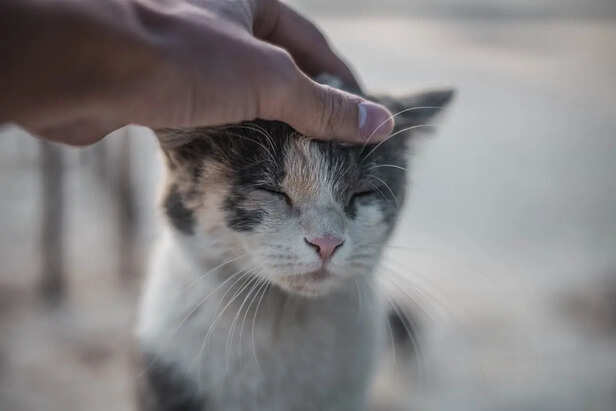
![When Senses No Longer Work the Same Way]() One of the most important scientific explanations involves age-related cognitive decline. Just like humans, dogs and cats can develop conditions similar to dementia, often referred to as cognitive dysfunction syndrome. This condition affects memory, learning, and spatial awareness, and it becomes more common as pets grow older. In these cases, pets may appear confused in familiar environments or fail to respond to familiar people in the same way as before. They may forget routines, appear disoriented, or hesitate in situations that were once familiar. This does not mean emotional detachment. It reflects gradual changes in brain function that affect how information is processed and recalled. In simple terms, the “recognition system” is still there, but it becomes less reliable over time due to neurological decline.
One of the most important scientific explanations involves age-related cognitive decline. Just like humans, dogs and cats can develop conditions similar to dementia, often referred to as cognitive dysfunction syndrome. This condition affects memory, learning, and spatial awareness, and it becomes more common as pets grow older. In these cases, pets may appear confused in familiar environments or fail to respond to familiar people in the same way as before. They may forget routines, appear disoriented, or hesitate in situations that were once familiar. This does not mean emotional detachment. It reflects gradual changes in brain function that affect how information is processed and recalled. In simple terms, the “recognition system” is still there, but it becomes less reliable over time due to neurological decline.
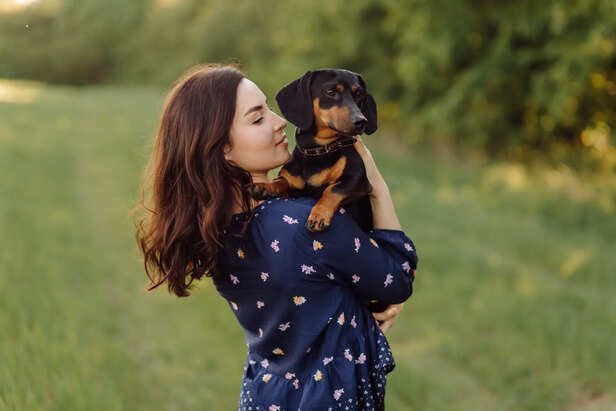
![The Real Truth Behind “Recognition Loss”]() Even when memory is intact, recognition depends heavily on the senses. Dogs, for example, primarily identify humans through smell and sound, not vision. Cats also rely strongly on scent and voice cues rather than facial recognition alone. When a pet develops hearing loss, vision problems, or reduced smell sensitivity, it may not immediately respond to its owner. This can happen gradually and may go unnoticed at first. A dog that once ran toward a voice may hesitate simply because it cannot clearly hear or process the sound anymore. Similarly, changes in a human’s appearance or scent can confuse a pet. A new perfume, medical condition, hospital stay, or even long separation can make a familiar person seem “different” to an animal that depends on sensory consistency for recognition.
Even when memory is intact, recognition depends heavily on the senses. Dogs, for example, primarily identify humans through smell and sound, not vision. Cats also rely strongly on scent and voice cues rather than facial recognition alone. When a pet develops hearing loss, vision problems, or reduced smell sensitivity, it may not immediately respond to its owner. This can happen gradually and may go unnoticed at first. A dog that once ran toward a voice may hesitate simply because it cannot clearly hear or process the sound anymore. Similarly, changes in a human’s appearance or scent can confuse a pet. A new perfume, medical condition, hospital stay, or even long separation can make a familiar person seem “different” to an animal that depends on sensory consistency for recognition.
Pets also experience emotional stress that can temporarily alter their behavior toward owners. Dogs in particular are highly social animals and can experience separation-related stress when routines change or when they are left alone for long periods. In some cases, this stress does not only lead to anxiety but also behavioural withdrawal when reunited. After long separations or traumatic events, a pet may initially act cautious or distant before gradually re-establishing familiarity. This is not rejection. It is a protective response while the animal reassesses safety and stability in its environment.
Behavioural studies and community observations also suggest that pets may momentarily fail to respond when overwhelmed by unfamiliar settings or emotional confusion, even if they still recognise their owner at a deeper level.
Sometimes the change in behavior is not cognitive or emotional at all but medical. Pain, infections, hormonal imbalances, or neurological disorders can significantly affect a pet’s responsiveness. Older animals, in particular, may develop conditions that impact energy levels, attention, and reaction speed. Cognitive dysfunction, sensory loss, or physical discomfort can all make a pet appear distant or unresponsive. In veterinary science, these symptoms are often mistaken for behavioural changes when they are actually signs of underlying health issues that require attention.
The Real Truth Behind “Recognition Loss”
In most cases, pets do not truly forget their owners in the human sense. Dogs and cats recognisae people through a combination of smell, voice, routine, and emotional association, and these systems are remarkably strong. Even after long separations, many pets show clear signs of recognition when familiar cues are restored. When recognition seems to disappear, it is usually a result of disrupted cues, aging-related brain changes, sensory decline, stress, or health conditions rather than emotional detachment. The bond itself often remains intact beneath these surface changes. Ultimately, what appears as “forgetting” is usually a change in how a pet perceives and processes the world, not a loss of the relationship. Even when behavior shifts, the underlying connection between humans and their pets is often deeper and more resilient than it appears.
Celebrate the bond with your pets, explore Health & Nutrition, discover Breeds, master Training Tips, Behavior Decoder, and set out on exciting Travel Tails with Times Pets!
Modern research in animal cognition confirms that dogs and cats rely heavily on scent, sound, routine, and emotional association rather than human-like facial memory. When one or more of these systems is disrupted, the pet’s behavior can change dramatically, creating the impression of recognition loss.
The Brain Changes That Can Affect Memory and Recognition
When Senses No Longer Work the Same Way
Image credit : Pexels
When Senses No Longer Work the Same Way
The Real Truth Behind “Recognition Loss”
Image credit : Freepik
Emotional Stress, Separation, and Behavioural Shutdown
Pets also experience emotional stress that can temporarily alter their behavior toward owners. Dogs in particular are highly social animals and can experience separation-related stress when routines change or when they are left alone for long periods. In some cases, this stress does not only lead to anxiety but also behavioural withdrawal when reunited. After long separations or traumatic events, a pet may initially act cautious or distant before gradually re-establishing familiarity. This is not rejection. It is a protective response while the animal reassesses safety and stability in its environment.
Behavioural studies and community observations also suggest that pets may momentarily fail to respond when overwhelmed by unfamiliar settings or emotional confusion, even if they still recognise their owner at a deeper level.
Medical Conditions That Can Mimic “Not Recognising” Owners
Sometimes the change in behavior is not cognitive or emotional at all but medical. Pain, infections, hormonal imbalances, or neurological disorders can significantly affect a pet’s responsiveness. Older animals, in particular, may develop conditions that impact energy levels, attention, and reaction speed. Cognitive dysfunction, sensory loss, or physical discomfort can all make a pet appear distant or unresponsive. In veterinary science, these symptoms are often mistaken for behavioural changes when they are actually signs of underlying health issues that require attention.
The Real Truth Behind “Recognition Loss”
In most cases, pets do not truly forget their owners in the human sense. Dogs and cats recognisae people through a combination of smell, voice, routine, and emotional association, and these systems are remarkably strong. Even after long separations, many pets show clear signs of recognition when familiar cues are restored. When recognition seems to disappear, it is usually a result of disrupted cues, aging-related brain changes, sensory decline, stress, or health conditions rather than emotional detachment. The bond itself often remains intact beneath these surface changes. Ultimately, what appears as “forgetting” is usually a change in how a pet perceives and processes the world, not a loss of the relationship. Even when behavior shifts, the underlying connection between humans and their pets is often deeper and more resilient than it appears.
Celebrate the bond with your pets, explore Health & Nutrition, discover Breeds, master Training Tips, Behavior Decoder, and set out on exciting Travel Tails with Times Pets!