
Why Pets Sleep in Weird Positions- Science Reveals the Truth
Deepak Rajeev | Apr 14, 2026, 10:00 IST

Why Your Pet Sleeps in the Weirdest Positions
Image credit : Freepik
Pets often sleep in unusual positions due to a combination of comfort, temperature regulation, emotional security and natural instincts. Science shows that these postures help them conserve energy, stay safe and feel relaxed in their environment. What appears strange to humans is actually normal animal behavior, reflecting trust, flexibility and deep comfort within their surroundings and bond with owners.
If you have ever looked at your pet and wondered how on earth that position could possibly be comfortable, you are not alone, because whether it is a dog stretched upside down like a broken toy or a cat twisted into what looks like an impossible shape, pets seem to have a talent for turning sleep into something almost artistic, and yet science suggests there is nothing random about it at all.
In fact, researchers and veterinarians agree that sleeping positions in pets are deeply connected to comfort, temperature regulation, emotional safety, and instinctive survival behavior, meaning that what looks “weird” to us is often completely logical from the animal’s perspective.
![Animals like cats & dogs are alert sleepers in different degrees]() One of the biggest reasons pets sleep in unusual positions is simple physical comfort, because animals constantly adjust their posture to regulate body temperature and reduce pressure on joints, which means they will stretch, curl, or twist depending on what helps them feel most relaxed in that moment.
One of the biggest reasons pets sleep in unusual positions is simple physical comfort, because animals constantly adjust their posture to regulate body temperature and reduce pressure on joints, which means they will stretch, curl, or twist depending on what helps them feel most relaxed in that moment.
For example, dogs often sleep on their sides or even on their backs when they feel safe and need to cool down, since exposing the belly helps release heat more efficiently, while cats may curl tightly into a ball to conserve warmth and protect vital organs, especially during deeper rest cycles, showing how sleep posture is closely tied to survival instincts even in a domestic environment.
![What looks uncomfortable to us is often physically easy for pets]() Even though pets live in safe homes today, their sleeping behavior is still shaped by ancient survival instincts, and this is one of the most important scientific reasons behind their unusual positions.
Even though pets live in safe homes today, their sleeping behavior is still shaped by ancient survival instincts, and this is one of the most important scientific reasons behind their unusual positions.
Animals like cats and dogs are both alert sleepers in different degrees, meaning they instinctively choose positions that allow them to react quickly if needed, which is why many pets do not fully stretch out unless they completely trust their surroundings, and instead adopt flexible or unusual shapes that let them stay partially ready to move even while resting deeply. Veterinary behavior research shows that vulnerable positions like belly-up sleeping often indicate a strong sense of safety and trust, because exposing the stomach is one of the most defenceless positions an animal can take, so when they do it, it is actually a sign of emotional security rather than discomfort.
Another powerful reason behind strange sleeping positions is emotional bonding, because pets often choose sleeping postures based on closeness to their owners or familiar scents, and many will twist, stretch, or reposition themselves simply to stay near a person or a comforting object.
Cats, for example, are known to sleep in positions that allow them to remain close to their human’s scent or body heat, and dogs frequently adjust their sleeping posture depending on where their owner is located, suggesting that emotional attachment plays a major role in how and where they rest. This is why pets often end up in the most inconvenient or “weird” positions, such as across your legs, on your pillow, or even halfway off furniture, because proximity matters more to them than perfect comfort in the human sense.
What looks uncomfortable to us is often physically easy for pets, especially cats, whose skeletal and muscular structure allows extreme flexibility, enabling them to twist, curl and stretch in ways that would feel impossible for humans.
Dogs also vary widely depending on breed, age and body type, meaning that what seems like a strange sleeping posture may simply be their natural resting position based on muscle relaxation, joint comfort or habitual behavior learned over time. This flexibility means that pets are not bound by the same posture limitations humans experience, which is why they can sleep in positions that appear exaggerated, contorted or even humorous to us without feeling any discomfort at all.
Ultimately, science shows that pets do not sleep in strange positions randomly or for attention alone, but rather as a result of a complex combination of temperature control, emotional safety, instinctive survival behavior and physical flexibility. What appears unusual is actually a highly adaptive system that allows animals to rest deeply while staying aware of their environment and maintaining comfort in changing conditions, and in many cases, these positions are a silent indicator of trust, relaxation and contentment.
So the next time you see your pet sleeping in a position that makes no sense to you, remember that it is not weird in their world at all, but instead a perfectly natural expression of how they experience comfort, safety and life itself.
Celebrate the bond with your pets, explore Health & Nutrition, discover Breeds, master Training Tips, Behavior Decoder, and set out on exciting Travel Tails with Times Pets!
In fact, researchers and veterinarians agree that sleeping positions in pets are deeply connected to comfort, temperature regulation, emotional safety, and instinctive survival behavior, meaning that what looks “weird” to us is often completely logical from the animal’s perspective.
Comfort, temperature and the search for the perfect spot
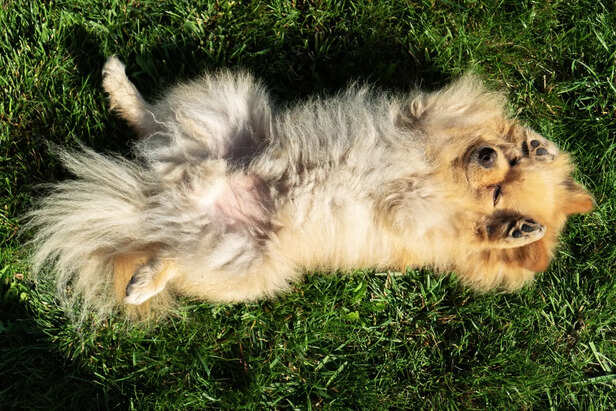
Animals like cats & dogs are alert sleepers in different degrees
Image credit : Freepik
For example, dogs often sleep on their sides or even on their backs when they feel safe and need to cool down, since exposing the belly helps release heat more efficiently, while cats may curl tightly into a ball to conserve warmth and protect vital organs, especially during deeper rest cycles, showing how sleep posture is closely tied to survival instincts even in a domestic environment.
Safety instincts hidden in “weird” positions
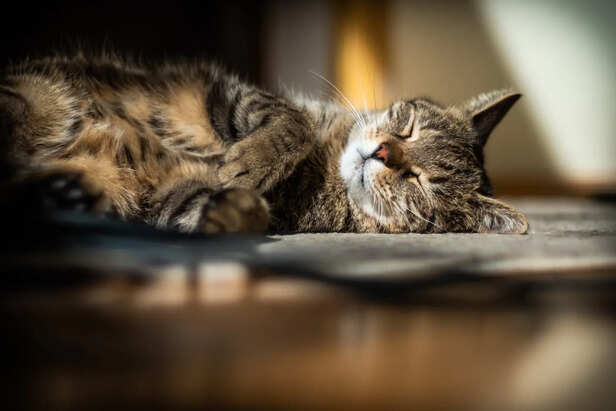
What looks uncomfortable to us is often physically easy for pets
Image credit : Freepik
Animals like cats and dogs are both alert sleepers in different degrees, meaning they instinctively choose positions that allow them to react quickly if needed, which is why many pets do not fully stretch out unless they completely trust their surroundings, and instead adopt flexible or unusual shapes that let them stay partially ready to move even while resting deeply. Veterinary behavior research shows that vulnerable positions like belly-up sleeping often indicate a strong sense of safety and trust, because exposing the stomach is one of the most defenceless positions an animal can take, so when they do it, it is actually a sign of emotional security rather than discomfort.
Emotional comfort and attachment to humans
Another powerful reason behind strange sleeping positions is emotional bonding, because pets often choose sleeping postures based on closeness to their owners or familiar scents, and many will twist, stretch, or reposition themselves simply to stay near a person or a comforting object.
Cats, for example, are known to sleep in positions that allow them to remain close to their human’s scent or body heat, and dogs frequently adjust their sleeping posture depending on where their owner is located, suggesting that emotional attachment plays a major role in how and where they rest. This is why pets often end up in the most inconvenient or “weird” positions, such as across your legs, on your pillow, or even halfway off furniture, because proximity matters more to them than perfect comfort in the human sense.
Flexibility, anatomy and natural body design
What looks uncomfortable to us is often physically easy for pets, especially cats, whose skeletal and muscular structure allows extreme flexibility, enabling them to twist, curl and stretch in ways that would feel impossible for humans.
Dogs also vary widely depending on breed, age and body type, meaning that what seems like a strange sleeping posture may simply be their natural resting position based on muscle relaxation, joint comfort or habitual behavior learned over time. This flexibility means that pets are not bound by the same posture limitations humans experience, which is why they can sleep in positions that appear exaggerated, contorted or even humorous to us without feeling any discomfort at all.
The truth behind the “weirdness”
Ultimately, science shows that pets do not sleep in strange positions randomly or for attention alone, but rather as a result of a complex combination of temperature control, emotional safety, instinctive survival behavior and physical flexibility. What appears unusual is actually a highly adaptive system that allows animals to rest deeply while staying aware of their environment and maintaining comfort in changing conditions, and in many cases, these positions are a silent indicator of trust, relaxation and contentment.
So the next time you see your pet sleeping in a position that makes no sense to you, remember that it is not weird in their world at all, but instead a perfectly natural expression of how they experience comfort, safety and life itself.
Celebrate the bond with your pets, explore Health & Nutrition, discover Breeds, master Training Tips, Behavior Decoder, and set out on exciting Travel Tails with Times Pets!