
Why is your dog suddenly drinking more water? The warning signs pet parents should not ignore
Oct 02, 2026, 13:02 IST

Why is your dog suddenly drinking more water?
A sudden increase in your dog’s water intake may be more than a response to heat or exercise. While thirst can naturally vary with weather, activity and diet, persistent excessive drinking may signal conditions such as diabetes, kidney disease, hormonal disorders or urinary problems. This article explains how much water dogs typically need, the warning signs pet parents should watch for, possible causes of increased thirst, and when veterinary care may be necessary. It also explains why restricting water without veterinary advice can be dangerous.
A dog drinking more water on a hot day or after a long walk is usually not a reason to panic. But if your pet suddenly starts emptying the water bowl much faster than usual, asking to go outside more often or looking for water in unusual places, it is worth paying attention. Increased thirst, medically known as polydipsia, can sometimes be an early sign of an underlying health problem. Cornell University College of Veterinary Medicine notes that healthy dogs generally drink around 40 to 60 millilitres of water per kilogram of body weight each day, although their needs can vary with weather, activity and diet. Drinking more than 100 ml/kg per day is generally considered excessive.
Dogs naturally drink more after exercise, in hot weather or when their diet changes. A dog eating mainly dry food may also drink more than one eating moisture-rich food. So, one unusually thirsty afternoon does not necessarily indicate illness. The bigger clue is a persistent change from your dog's normal routine. You may notice that the bowl needs refilling several times a day, your dog is drinking from taps, puddles or other unusual sources, or it needs to urinate more frequently. Some dogs may also have accidents indoors or need to go outside during the night. These changes can occur together because increased urination can cause the body to lose more water, which then triggers greater thirst. Instead of focusing only on a specific number, pet parents should also pay attention to what is normal for their individual dog. A sudden increase can be important even if the amount does not cross the formal threshold for excessive drinking.
![What could be behind your dog's increased thirst?]()
Persistent excessive drinking can have several causes, ranging from relatively straightforward problems to conditions requiring medical treatment. Kidney disease is one possibility because impaired kidney function can affect the body's ability to concentrate urine. Diabetes mellitus can also cause increased thirst and urination, often alongside signs such as increased hunger or unexplained weight loss. Hormonal conditions such as Cushing's disease and Addison's disease can also be associated with increased drinking and urination. Urinary tract infections, liver disease and certain cancers are among other possible causes. In unspayed female dogs, pyometra, a potentially serious uterine infection, is another important condition that veterinarians consider. Certain medicines, including corticosteroids and diuretics, can also increase thirst and urination. This is why excessive thirst should not automatically be blamed on the weather or assumed to be a harmless habit.
![What should pet parents do?]()
Start by observing your dog's routine. If possible, measure how much water your pet drinks over 24 hours, particularly if you have noticed a consistent change. This information can help your veterinarian understand the problem. If several pets share one bowl, measuring individual intake can be difficult, so separate bowls may help. Also note any accompanying changes, such as frequent urination, appetite changes, weight loss, vomiting, reduced energy or changes in behaviour. Tell the veterinarian about any medicines or supplements your dog is taking. A veterinary examination may include a physical examination, blood tests and a urine test. Depending on the findings, imaging or additional testing may be recommended to identify the underlying cause.
Most importantly, do not restrict your dog's access to water simply because you think it is drinking too much. Cornell and PetMD both caution against withholding water unless specifically instructed by a veterinarian, as doing so can lead to dehydration and electrolyte problems. If the increased thirst is persistent or accompanied by other unusual symptoms, make a veterinary appointment rather than waiting for it to disappear. Your dog's water bowl may be giving you one of the earliest clues that something inside the body needs attention.
When extra thirst is normal and when it is not
Dogs naturally drink more after exercise, in hot weather or when their diet changes. A dog eating mainly dry food may also drink more than one eating moisture-rich food. So, one unusually thirsty afternoon does not necessarily indicate illness. The bigger clue is a persistent change from your dog's normal routine. You may notice that the bowl needs refilling several times a day, your dog is drinking from taps, puddles or other unusual sources, or it needs to urinate more frequently. Some dogs may also have accidents indoors or need to go outside during the night. These changes can occur together because increased urination can cause the body to lose more water, which then triggers greater thirst. Instead of focusing only on a specific number, pet parents should also pay attention to what is normal for their individual dog. A sudden increase can be important even if the amount does not cross the formal threshold for excessive drinking.
What could be behind your dog's increased thirst?
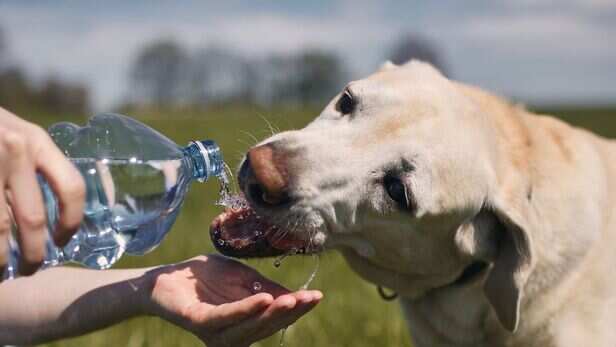
What could be behind your dog's increased thirst?
Persistent excessive drinking can have several causes, ranging from relatively straightforward problems to conditions requiring medical treatment. Kidney disease is one possibility because impaired kidney function can affect the body's ability to concentrate urine. Diabetes mellitus can also cause increased thirst and urination, often alongside signs such as increased hunger or unexplained weight loss. Hormonal conditions such as Cushing's disease and Addison's disease can also be associated with increased drinking and urination. Urinary tract infections, liver disease and certain cancers are among other possible causes. In unspayed female dogs, pyometra, a potentially serious uterine infection, is another important condition that veterinarians consider. Certain medicines, including corticosteroids and diuretics, can also increase thirst and urination. This is why excessive thirst should not automatically be blamed on the weather or assumed to be a harmless habit.
What should pet parents do?

What should pet parents do?
Start by observing your dog's routine. If possible, measure how much water your pet drinks over 24 hours, particularly if you have noticed a consistent change. This information can help your veterinarian understand the problem. If several pets share one bowl, measuring individual intake can be difficult, so separate bowls may help. Also note any accompanying changes, such as frequent urination, appetite changes, weight loss, vomiting, reduced energy or changes in behaviour. Tell the veterinarian about any medicines or supplements your dog is taking. A veterinary examination may include a physical examination, blood tests and a urine test. Depending on the findings, imaging or additional testing may be recommended to identify the underlying cause.
Most importantly, do not restrict your dog's access to water simply because you think it is drinking too much. Cornell and PetMD both caution against withholding water unless specifically instructed by a veterinarian, as doing so can lead to dehydration and electrolyte problems. If the increased thirst is persistent or accompanied by other unusual symptoms, make a veterinary appointment rather than waiting for it to disappear. Your dog's water bowl may be giving you one of the earliest clues that something inside the body needs attention.