
Why Dogs Sleep Facing the Door Hidden Survival Reason
Noopur Kumari | May 19, 2026, 10:00 IST

Dogs Sleep Facing The Door
Image credit : Pexels
Dogs often sleep facing doors or entrances because of deep survival instincts inherited from their wolf ancestors. In the wild, staying aware of possible threats was essential for survival, especially during rest. Facing the entrance allowed animals to react quickly to danger and protect their pack. Even today, domesticated dogs continue displaying similar behaviours despite living in safe homes. Experts believe this instinct also reflects loyalty, territorial awareness, and a desire to protect family members. Understanding this habit reveals how ancient survival patterns still quietly influence modern pets.
Have you ever seen your Dog sleeping while facing the door and wondered why? It may look like a random sleeping position, but experts believe this habit comes from ancient survival instincts. Long before dogs became household pets, their wild ancestors survived by staying alert to danger even while resting. Facing the entrance helped them react quickly to threats and protect their pack. Even today, many dogs continue following that instinct inside safe homes. Your dog may appear calm and deeply asleep, but part of its mind remains alert quietly listening, watching, and protecting the people it loves most.
![Dog sleeping while facing the house entrance]()
Dog may live in comfortable homes today, but their instincts still carry memories from the wild. Ancient wolves survived by remaining alert even during sleep. Facing the entrance of a cave or resting area allowed them to quickly detect danger approaching nearby. Modern dogs continue showing similar behaviour without even realising it. While your pet may appear calm and deeply asleep, its brain often remains partially alert to sounds, movement, or unfamiliar activity happening around the home.
![Alert dog resting with eyes partially open]()
Unlike humans, many Dog breeds naturally sleep in short, light cycles. This helps them wake quickly if they sense danger or unusual sounds nearby. Facing the door gives them a clear position to monitor movement entering the space. Experts believe this instinct helped wild dogs and wolves survive attacks from predators or rival packs. Even inside modern apartments and houses, this ancient survival behaviour continues quietly. Your dog may trust you completely, but instinct still tells it to remain prepared.
![Family dog sleeping near doorway at night]()
Many pet owners believe their dog simply likes sleeping near doors because it feels cooler or quieter. Sometimes that is true. But behaviour experts say protection also plays a major role. Dog often choose positions where they can watch over their family while resting. Facing the entrance allows them to react quickly if someone enters unexpectedly. This protective instinct explains why many dogs prefer sleeping between family members and doors, especially during nighttime when surroundings become quieter and more uncertain.
Not every dog behaves exactly the same way. Breeds developed for guarding, herding, or protection often display stronger doorway-monitoring habits. German Shepherds, Dobermans, and other protective breeds naturally stay more aware of their surroundings. Meanwhile, some smaller companion breeds may show the behaviour less intensely. Personality, training, environment, and past experiences also influence sleeping positions. Rescue dogs especially may remain extra alert because they previously lived in stressful or unpredictable environments. Their sleeping habits sometimes reveal emotional memories humans cannot easily see.
Perhaps the most emotional part of this behaviour is what it silently represents. Your Dog may not understand human language fully, but it understands connection, safety, and loyalty deeply. Sleeping near the entrance often means your dog feels responsible for protecting the people it loves. Even while resting, it places itself between danger and family. That instinct is not trained in many dogs it comes naturally. And maybe that is why dogs continue to feel less like pets and more like silent guardians inside the home.
Celebrate the bond with your pets, explore Health & Nutrition, discover Breeds, master Training Tips, Behavior Decoder, and set out on exciting Travel Tails with Times Pets!
Ancient Instincts Still Control Modern Dogs
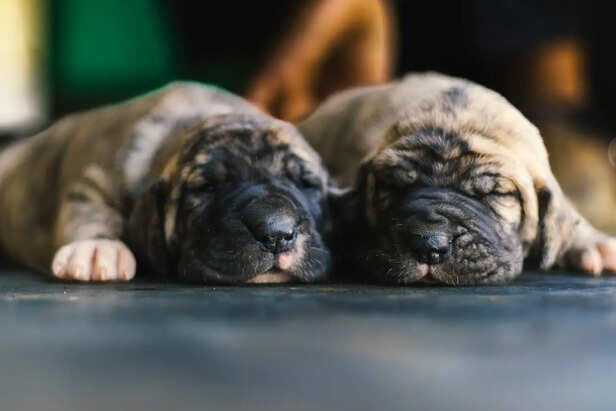
Dog sleeping while facing the house entrance
Image credit : Pexels
Dog may live in comfortable homes today, but their instincts still carry memories from the wild. Ancient wolves survived by remaining alert even during sleep. Facing the entrance of a cave or resting area allowed them to quickly detect danger approaching nearby. Modern dogs continue showing similar behaviour without even realising it. While your pet may appear calm and deeply asleep, its brain often remains partially alert to sounds, movement, or unfamiliar activity happening around the home.
Why Dogs Rarely Sleep Completely Relaxed
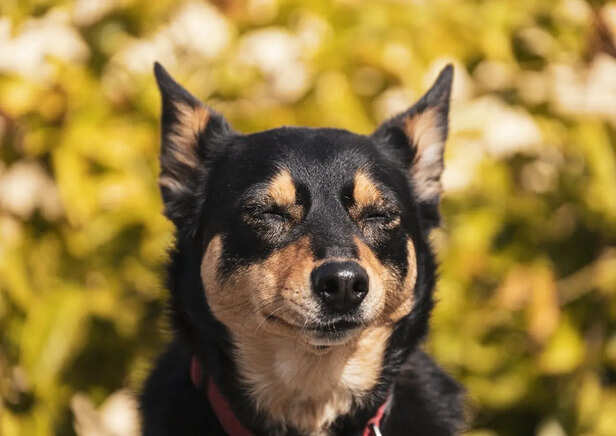
Alert dog resting with eyes partially open
Image credit : Pexels
Unlike humans, many Dog breeds naturally sleep in short, light cycles. This helps them wake quickly if they sense danger or unusual sounds nearby. Facing the door gives them a clear position to monitor movement entering the space. Experts believe this instinct helped wild dogs and wolves survive attacks from predators or rival packs. Even inside modern apartments and houses, this ancient survival behaviour continues quietly. Your dog may trust you completely, but instinct still tells it to remain prepared.
The Protective Side Most Owners Miss

Family dog sleeping near doorway at night
Image credit : Pexels
Many pet owners believe their dog simply likes sleeping near doors because it feels cooler or quieter. Sometimes that is true. But behaviour experts say protection also plays a major role. Dog often choose positions where they can watch over their family while resting. Facing the entrance allows them to react quickly if someone enters unexpectedly. This protective instinct explains why many dogs prefer sleeping between family members and doors, especially during nighttime when surroundings become quieter and more uncertain.
Why Some Dogs Watch The Door More Than Others
The Quiet Emotional Bond Behind The Habit
Celebrate the bond with your pets, explore Health & Nutrition, discover Breeds, master Training Tips, Behavior Decoder, and set out on exciting Travel Tails with Times Pets!