A dog on its back is not automatically an invitation. The position is the same; the reason behind it almost never is, and reading one as the other is one of the most common ways owners accidentally stress a dog they are trying to enjoy time with.
What the play belly actually is
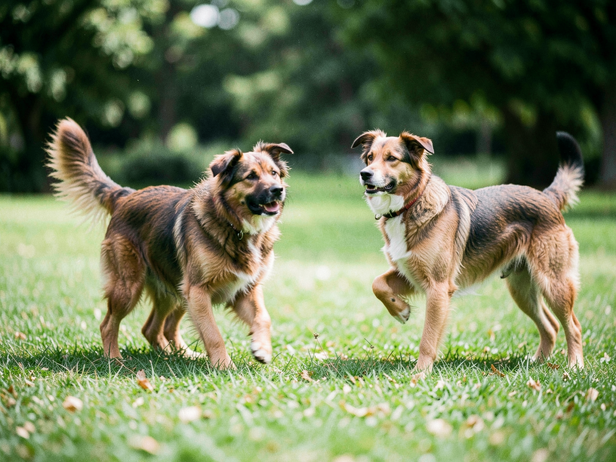
During play, a dog that rolls onto its back is doing something active, not passive. Ethologists call it a play rollover, a move used to invite continued wrestling, to reset after a chase, or to offer a mock-vulnerable position that keeps the game going. The dog's body gives it away: the tail wags in wide, loose sweeps, the mouth is open and relaxed, the limbs move freely, and the dog often rolls back upright within seconds. It is a punctuation mark in a conversation, not a full stop. Research on dog play behaviour, particularly work building on Marc Bekoff's studies of play signals, shows that rollovers in play sequences are almost always followed by the dog bouncing back up and re-engaging. The animal is not surrendering; it is playing a turn.
![Playful Dogs in Park]()
Playful Dogs in Park
Image credit : AI
I observe a dog's appeasement posture signs during play, with one dog mid-rollover and the other relaxed.
What the submission belly actually is
The belly-up posture that signals deference or discomfort looks similar from a distance but carries a completely different set of body signals. The tail is tucked or held low. The ears are flat. The mouth is closed or shows a tight lip. The dog may freeze rather than wriggle. Some dogs will also urinate slightly, an involuntary stress response, not a housetraining failure. This posture says: I am not a threat, please do not escalate. It is directed at another dog or a person the dog finds overwhelming. Reaching in to rub that belly is not reading the signal correctly, it is ignoring it. The dog offered appeasement and received more contact, which for many dogs reads as pressure rather than reward.
Why belly rubs feel good to some dogs and threatening to others
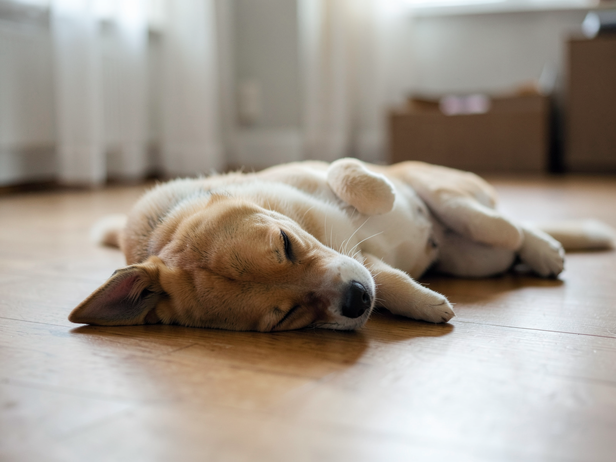
The abdomen is one of the most sensitive and least naturally exposed parts of a dog's body. Whether a dog enjoys having it touched depends on its individual history, its trust level with the person, and the context it is already in. A dog that is relaxed, has chosen to approach, and rolls over slowly in a calm setting may genuinely enjoy the contact, the scratch activates nerve endings and can trigger a scratch reflex that looks like enjoyment. A dog that rolls over because something startled it, because a stranger is leaning over it, or because play escalated faster than it wanted, is not in the same state. The position is the same. The dog is not. Forcing or continuing contact when a dog is showing the appeasement version of the posture can erode trust over time, even when nothing dramatic happens in the moment.
![Dog's Calm Belly Up]()
Dog's Calm Belly Up
Image credit : AI
This dog's appeasement posture signs suggest a moment of pure relaxation and trust. A peaceful scene in a quiet home.
How to tell which belly you are looking at
The read is in the whole body, not just the position. Ask three things before reaching down. Is the tail loose and moving, or tucked and still? Is the mouth open and relaxed, or closed and tight? Did the dog initiate this by bouncing into it, or did it happen as a response to something? A play belly arrives with energy and exits quickly. An appeasement belly arrives quietly and stays until the pressure lifts. If the signals are mixed, loose tail but flat ears, for instance, the safest read is that the dog is uncertain, and the right move is to give it space and let it choose whether to come back. When a dog consistently shows appeasement postures around specific people, specific situations, or with no obvious trigger, that pattern is worth discussing with a veterinary behaviourist. Chronic stress and underlying pain can both shift how a dog holds its body, and what looks like shyness can sometimes be discomfort that a physical examination would find.