
Why Cows Are Worshipped in India (And What It Really Means)
Tanisha Kumari | Sep 13, 2025, 12:10 IST

Young Cow
Image credit : Pexels
Cows are worshipped in India because they are seen as holy and motherly beings. They give milk, ghee, curd, dung and support farming, making them vital for daily life. In Hindu stories, cows are linked to gods like Krishna, showing purity and divinity. Worship is also about gratitude for nature and tradition. Villages treat cows like family members, celebrating them in festivals and building special shelters. For Indians, to worship a cow is to honor life itself.
In India cows are not only seen as a gentle animal but they are also a holy symbol. For many families, a cow is like a giver of life because it provides us a number of dairy products. In villages cows are still treated with a lot of love because they support daily living.
In Indian culture the cow is also referred to as Gaumata which means mother cow. One of the reasons s because she gives us food and care without expecting anything in return and people bow to cow in many places or touch cow's feet just like their family elders. In festivals and rituals cows are decorated with flowers and given special food.
The idea of worshipping cows is not only about religion but also about gratitude. People thank the cow for giving food, for helping in farming and for being kind. In many old stories and scriptures cows are shown as friends of gods and protectors of the earth.
![Cows Worshipping]()
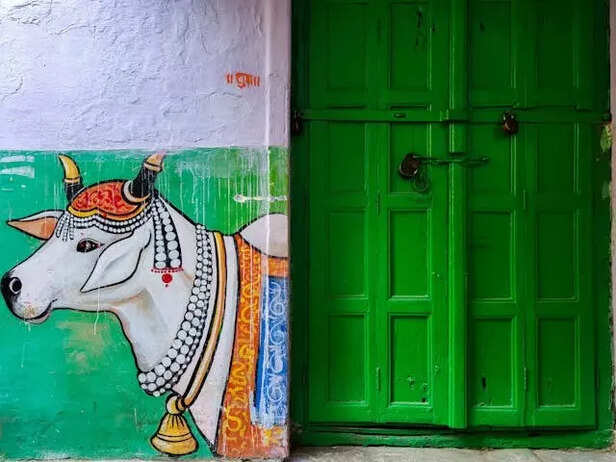
In Hinduism cows are associated to Gods as Lord Krishna is often shown playing his flute while surrounded by cows. This makes people feel that cows are very pure and connected to divine energy. In many temples cow’s milk and ghee are used for worship as they are considered sacred.
Stories from the Mahabharata and Ramayana also show cows as gifts of happiness and blessings. A person who owned a cow was said to be rich not only in money but also in kindness and respect and this is why ancient kings and sages valued cows more than gold.
For many, the cow is like a bridge between humans and gods. Looking after them is seen as a duty of dharma or righteousness. This religious link is one of the reasons why cows are never harmed or killed in many parts of India.
Cow as a Symbol of Nature and Life
![Symbol of Nature]()
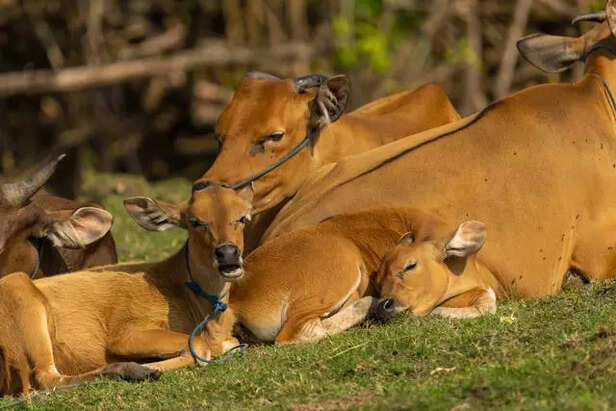
The cow is not only holy but also linked to nature. Everything it gives is useful. Its milk is food. Its dung becomes fuel, manure, and even natural flooring material. Its urine has been used in Ayurveda for healing. Nothing is wasted from a cow which shows how close to nature this animal really is.
Farmers in India still depend on cows for plowing fields in rural areas and also use cow dung to enrich soil and keep crops safe from pests. This is why villages hold them in such high respect.
By worshipping cows, people show their love for the earth itself. It is a way of reminding humans to care for the planet and stay humble before nature.
Cows also connect communities and families. In villages, people often share the milk of one cow across many households. Festivals such as Gop Ashtami are celebrated where children feed and play with cows. This becomes a way to unite people.
Protecting cows has also started many social movements in India. Cow shelters called gaushalas are built to save and feed old or abandoned cows. Here, people volunteer their time and effort to take care of these gentle animals.
For many Indians, to worship cows is to protect a whole way of living that values care, kindness, and sharing. It is not just about worship but also action.
When people in India call cows “Gaumata” they mean it with full heart. Like a mother, the cow gives without expecting reward. Just like every home has respect for mothers, villages and towns give the same honor to cows. Feeding a cow every morning is still seen as an act of blessing.
Children grow up learning to pat cows, offer them grass, and walk them to the fields. This emotional tie has passed from one generation to another. That is why the bond is so strong even today.
Cows are not only animals in India. They become part of the family. This is what makes them different and why their worship feels natural to people.
Modern Meaning of Cow Worship
![Cow Worship]()
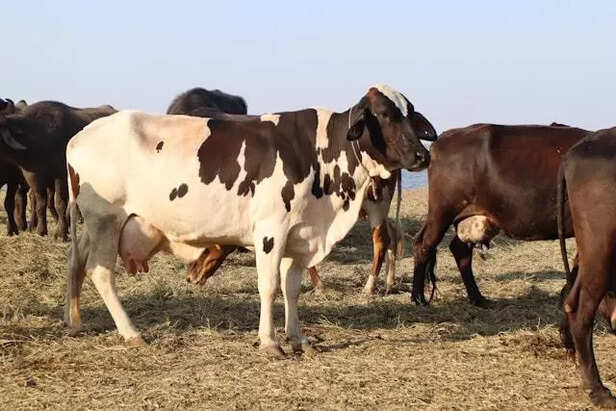
Today, cow worship in India is not only about history. It is also about protecting culture. With cities growing fast, people are reminded of their roots by these traditions. Cows stand as a living symbol of how Indians see life, as something to respect and protect.
Even young people understand that to care for cows is not backward. It is forward because it teaches responsibility, nature care and gratitude. In a world where many values are fading, the cow remains a living teacher of simplicity.
Cow worship has moved beyond religion into daily choices. It teaches Indians to say thank you to nature and to stay humble.
Love taught to Us
Cows are worshipped in India because they are more than just animals as they are mothers, workers, symbols of nature and protectors of tradition. From ancient texts to modern towns, cows carry the same respect. To value a cow is to value life itself. That is what worship really means in India.
Celebrate the bond with your pets, explore Health & Nutrition, discover Breeds, master Training Tips, decode Behavior, and set out on exciting Travel Tails with Times Pets!
Frequently Asked Questions (FAQs)
In Indian culture the cow is also referred to as Gaumata which means mother cow. One of the reasons s because she gives us food and care without expecting anything in return and people bow to cow in many places or touch cow's feet just like their family elders. In festivals and rituals cows are decorated with flowers and given special food.
The idea of worshipping cows is not only about religion but also about gratitude. People thank the cow for giving food, for helping in farming and for being kind. In many old stories and scriptures cows are shown as friends of gods and protectors of the earth.
Cow in Indian Religion and Mythology
Cows Worshipping
Image credit : Pexels
In Hinduism cows are associated to Gods as Lord Krishna is often shown playing his flute while surrounded by cows. This makes people feel that cows are very pure and connected to divine energy. In many temples cow’s milk and ghee are used for worship as they are considered sacred.
Stories from the Mahabharata and Ramayana also show cows as gifts of happiness and blessings. A person who owned a cow was said to be rich not only in money but also in kindness and respect and this is why ancient kings and sages valued cows more than gold.
For many, the cow is like a bridge between humans and gods. Looking after them is seen as a duty of dharma or righteousness. This religious link is one of the reasons why cows are never harmed or killed in many parts of India.
Cow as a Symbol of Nature and Life
Symbol of Nature
Image credit : Pexels
The cow is not only holy but also linked to nature. Everything it gives is useful. Its milk is food. Its dung becomes fuel, manure, and even natural flooring material. Its urine has been used in Ayurveda for healing. Nothing is wasted from a cow which shows how close to nature this animal really is.
Farmers in India still depend on cows for plowing fields in rural areas and also use cow dung to enrich soil and keep crops safe from pests. This is why villages hold them in such high respect.
By worshipping cows, people show their love for the earth itself. It is a way of reminding humans to care for the planet and stay humble before nature.
The Social Role of Cows in India
Protecting cows has also started many social movements in India. Cow shelters called gaushalas are built to save and feed old or abandoned cows. Here, people volunteer their time and effort to take care of these gentle animals.
For many Indians, to worship cows is to protect a whole way of living that values care, kindness, and sharing. It is not just about worship but also action.
Why Cows Are Seen as Family
Children grow up learning to pat cows, offer them grass, and walk them to the fields. This emotional tie has passed from one generation to another. That is why the bond is so strong even today.
Cows are not only animals in India. They become part of the family. This is what makes them different and why their worship feels natural to people.
Modern Meaning of Cow Worship
Cow Worship
Image credit : Unsplash
Today, cow worship in India is not only about history. It is also about protecting culture. With cities growing fast, people are reminded of their roots by these traditions. Cows stand as a living symbol of how Indians see life, as something to respect and protect.
Even young people understand that to care for cows is not backward. It is forward because it teaches responsibility, nature care and gratitude. In a world where many values are fading, the cow remains a living teacher of simplicity.
Cow worship has moved beyond religion into daily choices. It teaches Indians to say thank you to nature and to stay humble.
Love taught to Us
Celebrate the bond with your pets, explore Health & Nutrition, discover Breeds, master Training Tips, decode Behavior, and set out on exciting Travel Tails with Times Pets!
Frequently Asked Questions (FAQs)
- What does Hindu say about cow?
Hindus believe that cows are the representation of natural beneficence and therefore should always be protected. - Why are cows sacred and not buffalos?
Cow is worshipped in Hinduism because of its association to God Krishna and Vishnu and also because they have nurturing nature, on the other hand Buffalos are associated with Yama, and thus scene more of a wild animal. - What is the spiritual representation of cows?
Cows spiritually represent life, prosperity, nourishment and maternal love.