
When Love Goes Too Far: Are We Turning Pets Into People?
Anushka Tripathi | Mar 05, 2026, 11:00 IST

pet
Image credit : Pexels
As pet parenting becomes more emotional and human-centric, veterinarians are raising concerns about the unintended harm caused by over-humanizing animals. This article explores how love, when driven by guilt, social media trends, and emotional dependency, can lead to anxiety, obesity, and behavioural issues in pets. Written in a simple, engaging, and emotional tone, it urges readers to rethink modern pet care and understand that true love lies in respecting an animal’s natural needs, not turning them into humans.
Once upon a time, pets were companions who shared our homes but lived by their own instincts. Today, they share our beds, our wardrobes, our birthdays, and sometimes even our anxieties. The language has changed too. Owners are no longer owners. They are pet parents. Dogs and cats are no longer animals. They are fur babies. This shift feels warm and loving on the surface, but veterinarians across the world are beginning to ask an uncomfortable question. Are we loving our pets in ways that actually harm them?
How Humanisation Slowly Crept In
Humanising pets did not happen overnight. It arrived quietly through social media trends, changing family structures, and growing urban loneliness. As people started living alone or delaying marriages and children, pets became emotional anchors. Dressing pets, celebrating their birthdays, speaking to them like toddlers, and expecting human-like emotional responses became normal. What felt like harmless affection slowly blurred the line between animal needs and human expectations.
Veterinarians are not anti-love. They see the consequences long after Instagram stories disappear. Clinics are increasingly treating pets for obesity, anxiety disorders, joint problems, digestive issues, and behavioural stress that did not exist at this scale earlier. Many vets say the root cause is not neglect, but over-care driven by misunderstanding. When animals are treated like humans, their biological needs often get ignored.
When Comfort Becomes Confusion
dog
Image credit : Pexels
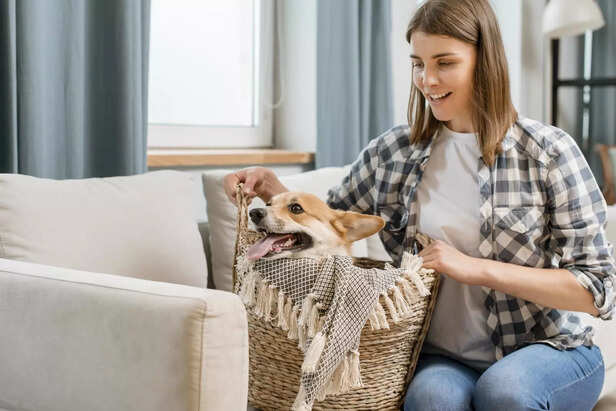
Pets thrive on structure, routine, and clarity. Humans thrive on emotional expression and reassurance. When these worlds mix, pets can become confused and stressed. A dog that is constantly carried, dressed, and protected from every discomfort may never learn confidence. A cat that is forced into constant interaction may withdraw or develop aggression. What looks like pampering can quietly rob animals of their natural coping mechanisms.
The Rise Of Pet Anxiety
One of the biggest concerns vets highlight is rising anxiety in pets. Separation anxiety, excessive barking, destructive behaviour, and depression-like symptoms are becoming common. Pets that are constantly surrounded by humans struggle when left alone. Animals that are treated like emotional support tools often feel pressure they cannot understand. They sense stress, but they do not know how to process it. Over time, this emotional overload manifests as illness or behavioural breakdowns.
Feeding With Feelings Instead Of Logic
dog
Image credit : Pexels
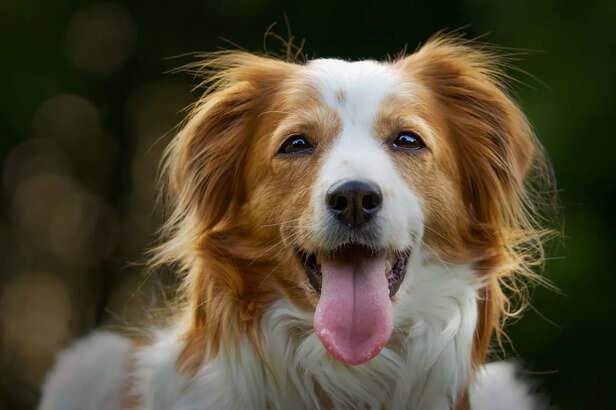
Food has become one of the biggest expressions of love, and also one of the biggest problems. Sharing human food, overfeeding treats, and feeding based on guilt rather than nutrition have led to a surge in obesity among pets. Overweight pets suffer from diabetes, heart disease, joint pain, and reduced life expectancy. Vets often hear the same sentence. I just could not say no. Love without boundaries slowly becomes harm.
Clothes, Accessories, And The Comfort Myth
Not all clothes are bad. In extreme cold, certain breeds genuinely need protection. But dressing pets for aesthetics rather than comfort can cause overheating, skin infections, restricted movement, and stress. Animals cannot tell us when something feels uncomfortable. They show it through subtle signals that often go unnoticed. A still pet is not always a happy pet. Sometimes, it is a pet that has given up trying to communicate discomfort.
Pets Are Not Children
kid & dog
Image credit : Pexels
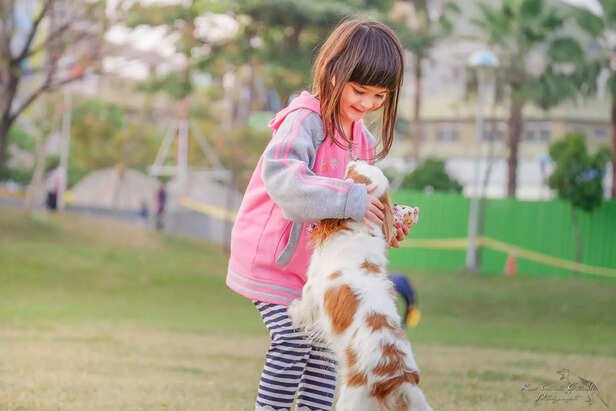
This truth is difficult for many pet parents to accept. Pets feel emotions, but they do not process them like humans. They do not understand explanations, future planning, or emotional reasoning. When we project human logic onto animals, we expect responses they are incapable of giving. This mismatch leads to frustration on both sides. The pet feels overwhelmed. The human feels rejected. Neither understands why.
The Impact On Natural Behaviour
Dogs are meant to sniff, explore, and sometimes get dirty. Cats are meant to observe, hunt playfully, and enjoy independence. Excessive sanitisation, constant supervision, and fear of germs restrict these instincts. Vets warn that denying natural behaviour leads to boredom and frustration. Animals that cannot express instincts often develop repetitive habits or aggression. Nature always finds another outlet.
Social Media And The Performance Of Pet Love
Online platforms reward cuteness, not correctness. Viral pet content often shows animals behaving like humans, wearing costumes, or reacting dramatically. While entertaining, this creates unrealistic standards of pet parenting. People feel pressured to perform love rather than practice it responsibly. Vets worry that trends prioritise appearance over welfare, turning pets into content rather than companions.
Humanising pets not only affect animals. It also affects humans. When pets become primary emotional support systems, owners may develop unhealthy dependency. Any illness, ageing, or behavioural change feels devastating. Pets sense this emotional intensity and mirror it. The relationship becomes heavy instead of balanced. Love should be mutual comfort, not mutual anxiety.
What Loving A Pet Actually Means
Veterinarians agree on one thing. The healthiest pets are not the most pampered ones. They are the ones whose needs are understood and respected. Loving a pet means learning its body language, respecting its space, feeding it correctly, allowing it to behave like its species, and providing structure. It means choosing long-term health over short-term emotional comfort.
Humanising pets is not always harmful. Talking to them, bonding deeply, and considering them family is not the problem. The issue begins when human emotions override animal welfare. Pets do not need to live human lives to feel loved. They need safe environments, predictable routines, mental stimulation, and physical freedom.
Listening To What Pets Cannot Say
Pets communicate constantly through posture, appetite, sleep, and behaviour. Vets urge owners to observe rather than assume. A wagging tail does not always mean happiness. Silence does not always mean peace. Understanding pets requires humility. It means accepting that love does not always look cute or feel comforting.
The future of pet parenting lies in balance. Love that educates itself. Affection that respects biology. Care that prioritises well-being over projection. Pets are not substitutes for human relationships, nor are they accessories to emotional voids. They are living beings with needs that differ from ours.
Loving Them For Who They Are
At the heart of this debate lies a simple truth. Pets do not ask to become humans. They ask to be understood. When we stop trying to turn them into reflections of ourselves and start accepting them as animals with unique needs, we give them the greatest gift possible. A life that feels safe, natural, and truly loved.
Celebrate the bond with your pets, explore Health & Nutrition, discover Breeds, master Training Tips, Behavior Decoder, and set out on exciting Travel Tails with Times Pets!