
When A Soft Toy Becomes A Mother: The Heartbreaking Video Of A Baby Monkey The Internet Cannot Forget
Anushka Tripathi | Feb 22, 2026, 10:00 IST

baby monkey
A heartbreaking video of an abandoned baby monkey clinging to a soft toy has touched millions across the internet, opening a larger conversation about maternal separation, emotional trauma in animals, and human responsibility toward wildlife. This article explores the emotional depth behind the viral moment, the science of attachment in primates, and why such visuals resonate so deeply with humans. Beyond virality, it urges compassion, awareness, and ethical coexistence with wildlife in a rapidly changing world.
A short video recently surfaced online showing a tiny baby monkey clutching a soft toy, playing with it gently, holding it close, almost protectively. There is no loud drama, no background music needed, no narration explaining the pain. The silence does the work. The reason this moment feels so heavy is simple and devastating. The baby monkey has been abandoned by his mother. With no warmth, no fur to cling to, and no familiar heartbeat to calm him, the soft toy becomes his substitute for comfort. Within seconds, the video stops being just content and turns into a mirror reflecting loss, loneliness, and survival. People did not just watch it. They felt it.
Why This Video Hit A Nerve Across The World
The internet sees animal videos every day. Cute clips go viral, sad ones too. But this video touched something deeper because it revealed an emotion humans recognize instantly. The need to be held. The instinct to seek comfort when safety disappears. Watching the baby monkey interact with an inanimate object, the way a child clings to a parent, forces viewers to confront an uncomfortable truth. Emotional needs are not exclusive to humans. Animals experience absence, fear, and confusion, too. This video did not rely on shock value. It relied on emotional honesty, which is why it spread so quickly.
Understanding Why Monkey Mothers Abandon Their Young
Abandonment in the animal world is painful to witness, but it is not always rooted in cruelty. In many cases, primate mothers abandon infants due to extreme stress, lack of food, illness, injury, or disturbance from humans. Habitat destruction, deforestation, tourism interference, and illegal wildlife activities disrupt natural bonding cycles. When a mother monkey senses she cannot survive or protect her infant, nature sometimes forces a heartbreaking decision. This context does not make the pain easier to accept, but it helps explain why such scenes are becoming more common in a world where wildlife spaces are shrinking rapidly.
The Psychology Of Comfort And Attachment In Animals
monkey
Image credit : Freepik
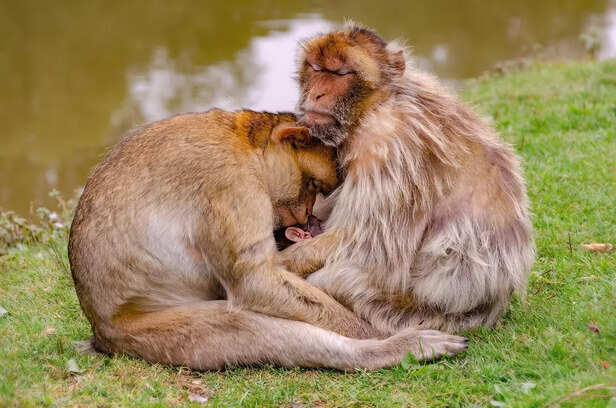
Attachment is not a human invention. It is a biological survival mechanism. Young animals are wired to seek warmth, familiarity, and touch. When these are removed suddenly, the brain looks for alternatives. The baby monkey’s interaction with the soft toy is not play in the joyful sense. It is coping. The toy provides texture, shape, and a sense of presence. Studies on orphaned primates have shown that when deprived of maternal contact, they attach themselves to cloth objects, toys, or even human caretakers. These behaviors mirror trauma responses seen in human children who experience early separation.
Why A Soft Toy Feels Like Safety
Softness matters. Texture matters. The toy in the video resembles fur. It offers resistance when held. It stays close when wrapped in tiny arms. For the baby monkey, the toy becomes a predictable source of comfort in an unpredictable environment. Predictability is essential for emotional regulation. When the world feels threatening, the brain clings to anything that does not change. This is why the video feels haunting. It shows adaptation, not happiness.
The Silent Trauma Of Orphaned Wildlife
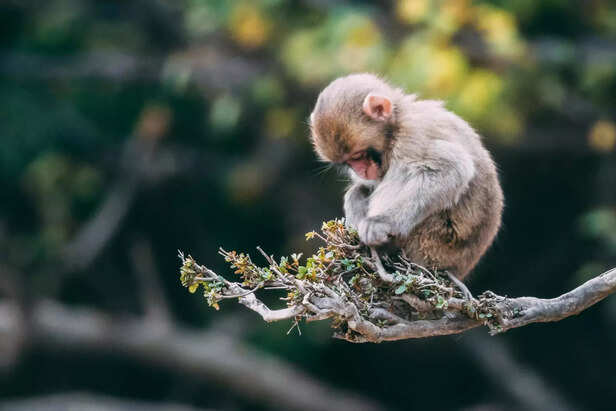
Unlike domesticated animals, orphaned wild animals do not always receive immediate care. Many suffer silently, unseen, and unsupported. Trauma in animals manifests through repetitive behaviors, withdrawal, excessive clinging, or apathy. The baby monkey’s gentle play is not innocent. It is self-soothing. Without intervention, such trauma can impact survival skills, social development, and emotional stability later in life. The video captures a fragile moment before fate decides whether rescue or further loss awaits.
The Role Of Humans In This Story
This moment did not exist in isolation. Human activity plays a significant role in wildlife abandonment. Road construction, forest clearing, loud tourism, feeding wildlife, and capturing videos instead of calling rescue services contribute to disrupted animal behavior. While the video has moved millions emotionally, it also raises a difficult question. Are we watching pain or participating in its continuation by turning suffering into shareable content? Awareness must lead to responsibility.
Social Media And The Ethics Of Viral Animal Content
baby monkey
Image credit : Pexels
The internet thrives on emotion. Videos like this spread because they trigger empathy. But there is a fine line between awareness and exploitation. When such content goes viral without context, viewers may consume sadness without understanding the cause or solution. Ethical sharing requires education, not just amplification. The real value of this video lies not in views or likes but in the conversations it sparks about wildlife protection, rescue systems, and humane intervention.
Why Humans See Themselves In This Baby Monkey
Part of why the video resonates so deeply is that it reflects a universal human experience. Loss. Abandonment. Searching for comfort in objects when people disappear. Many viewers project their own childhood fears, heartbreaks, or emotional gaps onto the scene. The baby monkey becomes symbolic not just of wildlife suffering but of vulnerability itself. This emotional mirroring is powerful and explains the overwhelming response online.
The Importance Of Timely Rescue And Rehabilitation
When orphaned animals are identified early, rehabilitation centers can provide specialized care. For primates, this includes warmth, nutrition, gradual socialization, and eventually reintroduction to natural environments when possible. Emotional healing is as important as physical survival. Without it, even rescued animals may struggle to integrate. Videos like this should ideally lead viewers to support wildlife rescue organizations, not just share sadness passively.
What This Video Teaches Us About Emotional Intelligence In Animals
monkeys
Image credit : Pexels
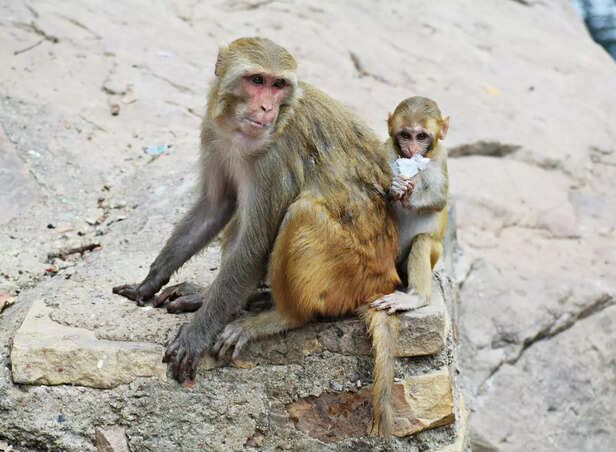
For decades, animal emotions were underestimated. Today, science confirms what moments like this already show. Animals feel deeply. They form attachments, experience grief, and seek comfort. Emotional intelligence is not limited to language. It exists in behavior, bonding, and response to loss. The baby monkey’s actions are not accidental. They are emotional communication.
The Bigger Picture Of Wildlife And Human Coexistence
This single video reflects a larger crisis. As human spaces expand, wildlife is pushed into survival mode. Mothers are stressed. Infants are abandoned. Emotional trauma becomes collateral damage. Protecting wildlife is not only about saving species. It is about preserving emotional ecosystems that allow animals to thrive naturally.
What Viewers Can Do Beyond Feeling Sad
Empathy is powerful but incomplete without action. Supporting conservation efforts, avoiding wildlife interference, reporting distressed animals to local authorities, and educating others are tangible steps. Choosing ethical tourism and respecting animal boundaries matters more than ever. The baby monkey’s story should not end with tears alone. It should inspire responsibility. The clip is short, but its impact is lasting. The image of a baby monkey holding a soft toy is not easily forgotten because it captures a truth that transcends species. When safety is taken away, everyone looks for something to hold onto.
Why This Is Not Just A Viral Moment
This is not a feel-good animal story. It is a reminder. A reminder that wildlife feels loss quietly. That abandonment has emotional consequences. Humans are deeply connected to the natural world, whether we acknowledge it or not. In the end, the soft toy is not just a toy. It is a symbol of adaptation. Of a fragile mind trying to survive emotional shock. It represents resilience born out of necessity, not choice.