
What’s Inside a Mosquito’s Gut That Makes Its Bite So Deadly?
Kashish Pandey | Dec 30, 2025, 15:01 IST

mosquito
Image credit : Pixabay
We often swat mosquitoes without a second thought, yet this tiny insect has caused more human deaths than any other animal on Earth. The real danger is not the mosquito itself, but what it carries inside its gut. This article takes you inside the hidden world of a mosquito’s digestive system and explains how bacteria, parasites, and viruses quietly turn a small bite into a serious health threat. In simple language, we explore why mosquitoes spread deadly diseases and how science is trying to stop them.
Mosquito gut bacteria, parasites, and viruses are the real reason mosquito bites can be so dangerous. A mosquito does not wake up planning to harm humans. It bites to survive. But inside its gut lives a hidden army of microorganisms that use the mosquito as a vehicle to move from one body to another. When a mosquito bites, it unknowingly delivers these harmful passengers into the human bloodstream, sometimes leading to life threatening diseases.
![insects]() At first glance, a mosquito looks harmless. It is small, light, and easy to crush. Yet its gut tells a very different story. Inside this narrow tube like organ, a complex biological process takes place every time the mosquito feeds on blood.
At first glance, a mosquito looks harmless. It is small, light, and easy to crush. Yet its gut tells a very different story. Inside this narrow tube like organ, a complex biological process takes place every time the mosquito feeds on blood.
The gut is where blood is stored and digested, but it is also where dangerous pathogens find a safe place to grow. This hidden space quietly decides whether a mosquito will be harmless or deadly.
Just like humans, mosquitoes have bacteria in their gut. Some of these bacteria help them digest food and stay alive. Others accidentally help diseases survive.
Certain bacteria weaken the mosquito’s internal defenses, allowing viruses and parasites to multiply without resistance. Think of it as leaving the door open for unwanted guests. Once inside, these pathogens settle in and prepare for their next journey into a human body.
![insect]() Malaria is one of the deadliest diseases spread by mosquitoes. When a mosquito bites someone already infected, it sucks in the malaria parasite along with blood. Inside the mosquito gut, the parasite does not die. Instead, it changes form and slowly develops.
Malaria is one of the deadliest diseases spread by mosquitoes. When a mosquito bites someone already infected, it sucks in the malaria parasite along with blood. Inside the mosquito gut, the parasite does not die. Instead, it changes form and slowly develops.
Over several days, it moves from the gut to the mosquito’s salivary glands. From there, it waits. The next bite passes the parasite into a new human host. Without the mosquito gut acting as a shelter, malaria would not survive.
Dengue, Zika, chikungunya, and yellow fever viruses all begin their journey in the mosquito gut. After entering during a blood meal, these viruses infect gut cells and multiply quietly.
The mosquito feels no pain and shows no signs of illness. But once the viruses reach the salivary glands, every bite becomes a risk. One moment of contact is enough to spread infection.
![mosquito bite]() The mosquito bite itself helps disease spread. To drink blood easily, the mosquito injects saliva that stops clotting. This saliva also softens the body’s immune response at the bite site.
The mosquito bite itself helps disease spread. To drink blood easily, the mosquito injects saliva that stops clotting. This saliva also softens the body’s immune response at the bite site.
This brief delay gives viruses and parasites a head start inside the human body. By the time the immune system reacts, the infection may already be underway.
It may seem unfair that mosquitoes carry deadly organisms without suffering. Over time, parasites and viruses evolved to live inside mosquitoes without killing them. A dead mosquito cannot spread disease.
This delicate balance keeps the mosquito alive while turning it into an efficient carrier. The mosquito is not the enemy by choice, but by design.
![mosquito]() Understanding what lives inside a mosquito’s gut changes the story. Mosquitoes are not villains acting alone. They are tiny carriers controlled by invisible organisms that rely on them to survive.
Understanding what lives inside a mosquito’s gut changes the story. Mosquitoes are not villains acting alone. They are tiny carriers controlled by invisible organisms that rely on them to survive.
By focusing on this hidden world, science is finding smarter ways to protect human health.
The deadly power of a mosquito bite comes from the unseen life inside its gut. Bacteria, parasites, and viruses quietly work together to turn a simple bite into a serious threat. As we learn more about this hidden world, we move closer to breaking the cycle of disease and making mosquito bites far less dangerous.
Discover expert advice and the latest tips on pet care, training, health, and more. Stay updated with all things pets at Times Pets!
Frequently Asked Questions[FAQs]
A Tiny Insect With a Big Secret

insects
Image credit : Pixabay
The gut is where blood is stored and digested, but it is also where dangerous pathogens find a safe place to grow. This hidden space quietly decides whether a mosquito will be harmless or deadly.
The Bacteria Living Inside
Certain bacteria weaken the mosquito’s internal defenses, allowing viruses and parasites to multiply without resistance. Think of it as leaving the door open for unwanted guests. Once inside, these pathogens settle in and prepare for their next journey into a human body.
How Malaria Finds a Home

insect
Image credit : Pixabay
Over several days, it moves from the gut to the mosquito’s salivary glands. From there, it waits. The next bite passes the parasite into a new human host. Without the mosquito gut acting as a shelter, malaria would not survive.
Viruses That Hitch a Ride
The mosquito feels no pain and shows no signs of illness. But once the viruses reach the salivary glands, every bite becomes a risk. One moment of contact is enough to spread infection.
Why the Bite Makes Things Worse

mosquito bite
Image credit : Pixabay
This brief delay gives viruses and parasites a head start inside the human body. By the time the immune system reacts, the infection may already be underway.
Why Mosquitoes Survive the Danger
This delicate balance keeps the mosquito alive while turning it into an efficient carrier. The mosquito is not the enemy by choice, but by design.
Seeing Mosquitoes Differently
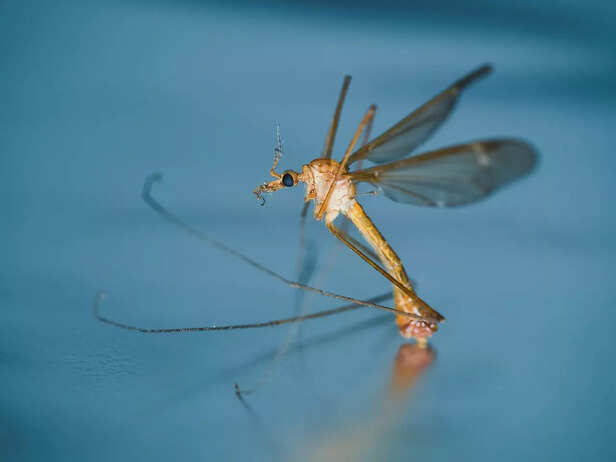
mosquito
Image credit : Pixabay
By focusing on this hidden world, science is finding smarter ways to protect human health.
The deadly power of a mosquito bite comes from the unseen life inside its gut. Bacteria, parasites, and viruses quietly work together to turn a simple bite into a serious threat. As we learn more about this hidden world, we move closer to breaking the cycle of disease and making mosquito bites far less dangerous.
Discover expert advice and the latest tips on pet care, training, health, and more. Stay updated with all things pets at Times Pets!
Frequently Asked Questions[FAQs]
- What makes a mosquito bite so dangerous?
A mosquito bite becomes dangerous because bacteria, parasites, and viruses live inside the mosquito’s gut and are transmitted into the human body during a bite. - Is mosquito saliva harmful to humans?
Yes, mosquito saliva weakens the immune response at the bite site, making it easier for infections like malaria and dengue to spread. - Do mosquitoes suffer from the diseases they spread?
No, mosquitoes are not harmed because the pathogens have evolved to live safely inside the mosquito gut without killing the insect. - Can mosquitoes spread disease without being infected?
No, mosquitoes must first bite an infected human or animal before they can transmit diseases to others.