
What Your Pet’s Sleeping Position Says About Their Personality
Aparna Jha | Aug 19, 2025, 10:14 IST

Peaceful Cat Napping in Sunlight
Image credit : Pixabay
Have you ever noticed how your pet curls up, sprawls out, or hides under blankets when they sleep? Pets, like humans, have unique sleeping habits, and these positions can reveal a lot about their comfort levels, emotions, and even personality traits. Whether you are a dog parent, a cat lover, or both, observing your furry friend’s sleep posture can provide fascinating insights into their inner world.In this article, we will explore common sleeping positions in pets and what they might indicate about their personality and mood. By the end, you will not only understand your pet better but also strengthen your bond with them.
Why Sleep Positions Matter
While it is important not to overanalyze every small detail, noticing patterns in your pet’s sleeping positions can reveal whether they are relaxed, alert, protective, or in need of more comfort.
1. The Curled-Up Position
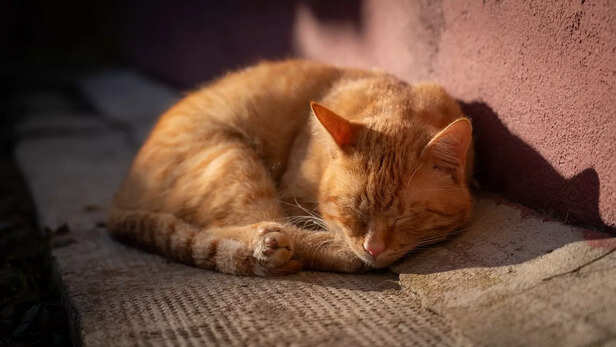
Cozy Cat Sleeping Peacefully in the Sun
Image credit : Pixabay
This is one of the most common sleeping postures among pets, especially cats and dogs. They tuck their paws under their body, curl their tail around, and sometimes even cover their nose.
What it means:
- This position helps conserve body heat, which explains why pets often curl up during colder weather.
- It is also a protective posture, shielding their vital organs while they sleep.
- Pets that often curl up may be cautious, sensitive, or simply enjoy feeling safe and cozy.
2. The Side Sleeper
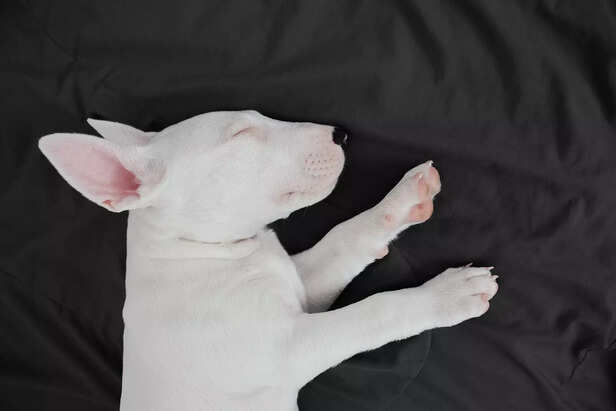
Sleep Positions: A Window Into Your Pet’s Mind
Image credit : Pixabay
When a pet sleeps stretched out on its side, it shows complete trust in its environment.
What it means:
- Pets in this position are relaxed and confident.
- They feel safe enough to expose their belly and vital organs without worry.
- Side sleepers often enter deep, restorative sleep cycles, which is a sign of good mental and physical health.
3. The Superman Pose
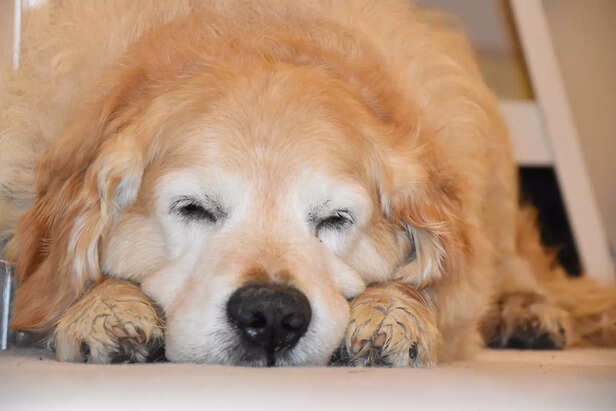
Sleep Positions: A Reflection of Your Pet’s Soul
Image credit : Pixabay
Also called the “sploot,” this is when pets lie flat on their stomachs with their legs stretched out behind and in front of them.
What it means:
- Pets in this pose are often young, playful, and full of energy.
- This position allows them to spring up quickly, so it is usually seen in pets who are alert and ready for action.
- It also helps them cool down, as their belly touches the floor.
4. The Belly-Up Sleeper
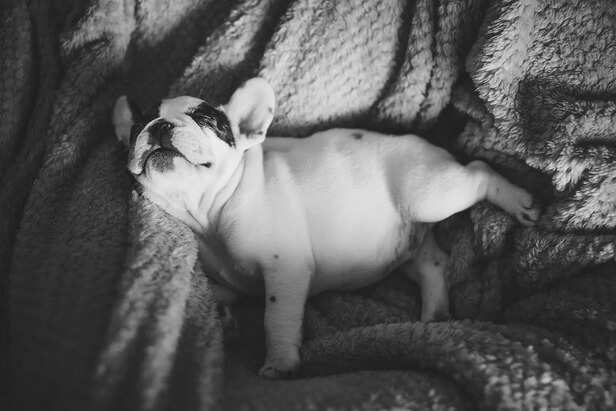
Sleep Postures: A Peek into Your Pet’s Psyche
Image credit : Pixabay
Perhaps the most adorable sleeping position is when your pet lies on its back with paws in the air and belly exposed.
What it means:
- This is the ultimate sign of trust. Exposing the belly is the most vulnerable position for any animal.
- Pets who sleep this way are very comfortable in their environment and feel completely safe.
- It is also a cooling position since the fur on the belly is thinner.
5. The Loaf Position
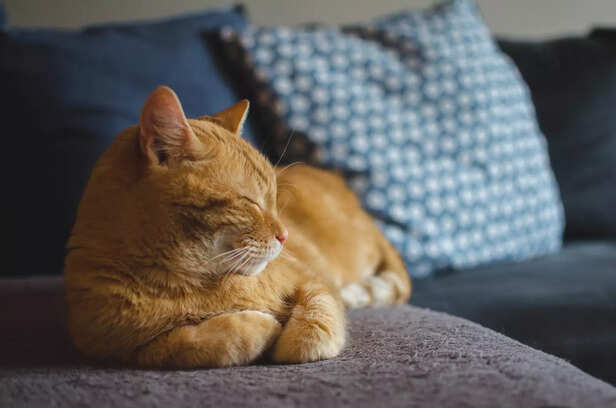
Sleeping Styles: A Key to Your Pet’s Personality
Image credit : Pixabay
Cats, in particular, are known for the “loaf” position, where they tuck their paws under their body, resembling a loaf of bread. Dogs occasionally do this as well.
What it means:
- The loaf position usually indicates that the pet is resting but not in a deep sleep.
- It shows they are comfortable but still alert and ready to move if needed.
- This is a middle ground between relaxation and vigilance.
6. The Burrower
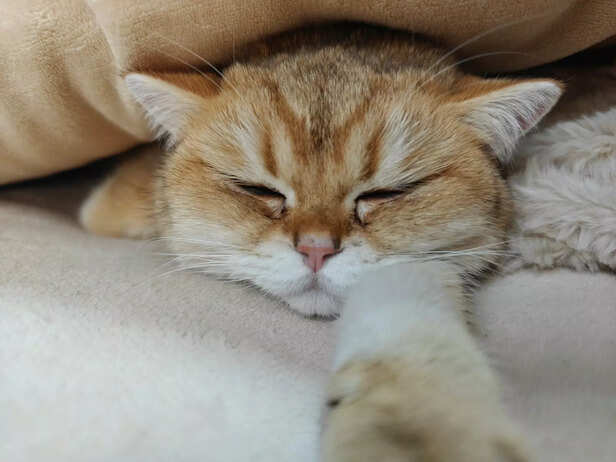
Sleep Positions: A Glimpse into Your Pet’s Soul
Image credit : Unsplash
Some pets love sleeping under blankets, pillows, or even squeezing themselves into tight spaces.
What it means:
- Burrowers seek warmth and comfort.
- They enjoy feeling enclosed, which gives them a sense of safety.
- This behavior is often linked to pets who crave affection and closeness with their humans.
7. The Back-to-Back Sleeper
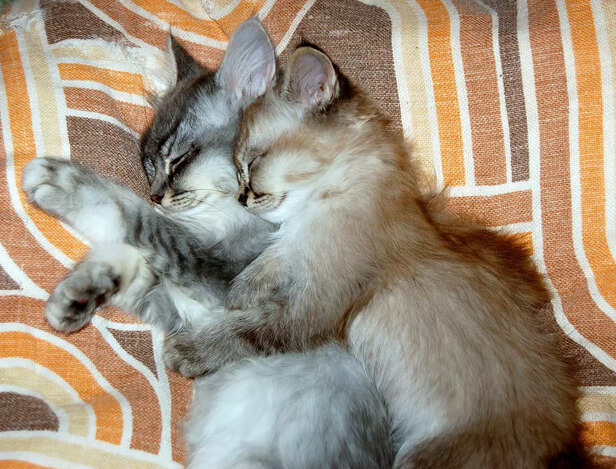
What Your Pet’s Resting Pose Reveals About Them
Many dogs and cats like to sleep back-to-back with their humans or other pets.
What it means:
- This position shows loyalty and a desire for companionship.
- Sleeping close or touching another being is an instinct from pack behavior in the wild, where staying close meant safety and warmth.
8. The Sprawled-Out Sleeper
What it means:
- Sprawling out shows complete comfort and a sense of ownership of the environment.
- It also indicates that the pet is confident and unafraid of threats.
How Sleeping Positions Change with Age
- Puppies and kittens often sleep in playful poses like the Superman pose because they are active and easily tired.
- Adult pets usually settle into side sleeping or curling up, reflecting confidence and maturity.
- Senior pets may prefer positions that ease joint pain, such as curling tightly for warmth or stretching out for comfort.
Tips for Supporting Healthy Sleep in Pets
- Provide a comfortable bed: Orthopedic beds for older pets or soft cushions for younger ones can improve sleep quality.
- Maintain a routine: Pets thrive on schedules. Regular feeding and playtime help regulate their sleep cycles.
- Ensure safety and quiet: A secure, calm environment encourages pets to relax and trust their surroundings.
- Observe changes: Sudden shifts in sleeping positions or patterns may signal health issues, so consult a vet if needed.
As pet parents, understanding these subtle signals can help us create a more comfortable environment for our furry friends. It also strengthens the bond we share with them, allowing us to connect on a deeper level.
So, the next time you find your pet stretched across the couch, curled in a ball, or burrowed under your blanket, remember that their sleeping position is a window into their personality. Pay attention, and you will discover that their dreams reveal much more than you imagined.
Discover expert advice and the latest tips on pet care, training, health, and more. Stay updated with all things pets at Times Pets!
Frequently Asked Questions ( FAQ)
- Should I worry if my pet suddenly changes sleep positions?
Should I worry if my pet suddenly changes sleep positions? - Can a pet’s sleeping position change with age?
Yes, sleeping styles often change as pets grow, reflecting comfort and health needs. - Why do pets sleep back-to-back with humans?
It is a sign of loyalty, bonding, and companionship. - Why do pets burrow under blankets to sleep?
Burrowing gives them warmth, security, and a sense of closeness.