
What It Means When Pets Suddenly Lose Interest in Play?
Tanisha Kumari | Jan 13, 2026, 15:22 IST

Physical pain
Image credit : Freepik
Play is vital for pets’ physical health, emotional well-being and quality of life. A sudden loss of interest in play is often a warning sign rather than a harmless quirk. Causes range from physical discomfort and illness to emotional stress, boredom, aging or social dynamics. Recognizing these triggers helps owners protect their pets’ health and happiness.
Play is more than fun for pets as it is linked to their physical health, emotional well being and quality of life. Whether it is a dog chasing a ball or a cat stalking a feather toy their playful behaviour reflects energy, curiosity and comfort. When a pet that loved to play suddenly becomes disinterested then that leaves owners confused or worried.
One of the most common reasons pets stop playing is physical pain or illness. Conditions like arthritis, dental issues, digestive problems or infections make movement uncomfortable. Pets instinctively conserve energy when they are unwell which may appear as laziness or disinterest in toys. Sudden lethargy, limping, changes in eating habits or sensitivity to touch alongside reduced play should never be ignored.
![emotional stress]()
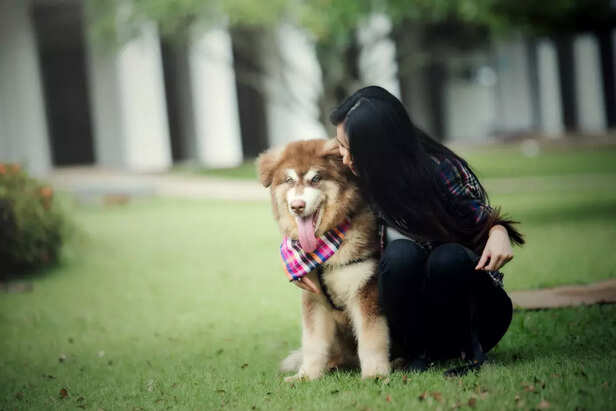
Just like humans pets experience emotional stress. Changes in the home environment like moving houses, the arrival of a new pet or baby, loud noises or separation from a family member triggers anxiety. Stressed pets withdraw and lose interest in activities they once enjoyed. Cats hide more while dogs appear unusually quiet or clingy. Emotional well being is closely tied to playfulness.
Ironically pets stop playing not because they do not want to but because play has become predictable. Repeated use of the same toys limited outdoor time or minimal interaction leads to boredom. A mentally unstimulated pet sleep more and engage less. Introducing new toys, rotating play routines and offering interactive games reignite interest and enthusiasm.
Aging and Natural Energy Changes
![pets stop playing]()
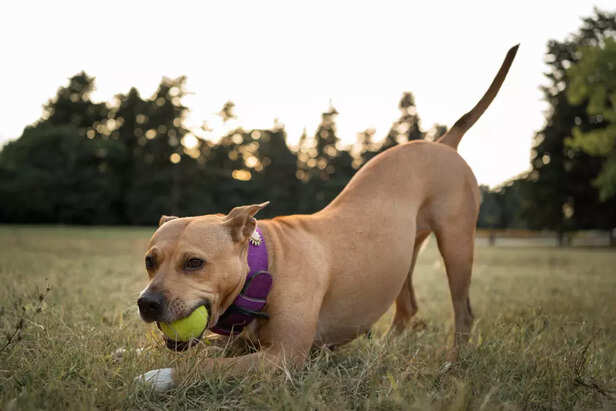
As pets grow older their energy levels naturally decline. Senior dogs and cats prefer gentle activities over high energy play. While reduced playfulness is a normal part of aging, it should be gradual rather than sudden. A sharp change in behaviour points to underlying age related conditions like joint pain or reduced vision that require attention.
Sometimes a pet's loss of interest in play stems from changes in social dynamics. A pet feels threatened by another animal, overwhelmed by too much attention or discouraged by rough play. Additionally pets mirror their owner's routines so if daily playtime disappears their motivation to initiate it.
When pets stop playing, it is not just a behavioural quirk it is a message. While boredom or aging is harmless explanations, illness, pain or emotional stress hide behind this change. Observing other signs, maintaining a stimulating environment and seeking veterinary advice when behaviour shifts abruptly are essential steps in protecting your pet’s health.
Celebrate the bond with your pets, explore Health & Nutrition, discover Breeds, master Training Tips, Behavior Decoder, and set out on exciting Travel Tails with Times Pets!
Physical Pain or Illness
Emotional Stress and Anxiety
emotional stress
Image credit : Freepik
Just like humans pets experience emotional stress. Changes in the home environment like moving houses, the arrival of a new pet or baby, loud noises or separation from a family member triggers anxiety. Stressed pets withdraw and lose interest in activities they once enjoyed. Cats hide more while dogs appear unusually quiet or clingy. Emotional well being is closely tied to playfulness.
Boredom and Lack of Stimulation
Aging and Natural Energy Changes
pets stop playing
Image credit : Freepik
As pets grow older their energy levels naturally decline. Senior dogs and cats prefer gentle activities over high energy play. While reduced playfulness is a normal part of aging, it should be gradual rather than sudden. A sharp change in behaviour points to underlying age related conditions like joint pain or reduced vision that require attention.
Behavioural or Social Factors
When pets stop playing, it is not just a behavioural quirk it is a message. While boredom or aging is harmless explanations, illness, pain or emotional stress hide behind this change. Observing other signs, maintaining a stimulating environment and seeking veterinary advice when behaviour shifts abruptly are essential steps in protecting your pet’s health.
Celebrate the bond with your pets, explore Health & Nutrition, discover Breeds, master Training Tips, Behavior Decoder, and set out on exciting Travel Tails with Times Pets!