
What Happens in Your Aquarium When You’re Not Around
Payal Tandon | Apr 17, 2026, 16:06 IST

Fishes (Image Credit:Pexels)
An aquarium may look calm and still when you sit in front of it, but a lot is happening inside even when you are not around. Fish interact, explore, rest, and respond to their environment in ways that many owners do not notice. This article takes you inside the hidden world of your aquarium, explaining fish behaviour, tank changes, and the natural processes that continue all day and night. Understanding these unseen moments can help you take better care of your fish and create a healthier environment for them.
When you look at your aquarium, it often feels peaceful and simple. Fish swim slowly, bubbles rise gently, and everything seems under control. But have you ever wondered what happens when you leave the room or go to sleep?
Your aquarium does not pause when you are not watching. In fact, it becomes a small, active world with its own rhythm. Fish behave differently, the water chemistry continues to change, and tiny processes keep the ecosystem alive.
Many fish owners only see a small part of what really happens inside their tank. Understanding this hidden activity can change the way you care for your aquarium. It can help you notice problems earlier and create a better environment for your fish.
Let’s take a closer look at what really goes on in your aquarium when you are not around.
Just like humans, fish follow daily patterns. Even if it is not obvious, they have a routine that includes active periods and rest.
During quiet hours, especially at night, many fish become less active. Some species rest near the bottom of the tank, while others stay still in one spot. This is their way of conserving energy.
At the same time, some fish become more active when the lights are off. These are often species that feel safer in dim conditions. They may explore more, search for food, or interact with other fish.
Fish also establish territories. When you are not around, they may swim through their favourite spots or gently chase other fish to maintain space. This behaviour is normal, but it can go unnoticed if you only observe them for a short time each day.
Understanding these routines helps you realize that your fish are not just swimming randomly. They are following natural patterns that keep them healthy and balanced.
Even when everything looks still, your aquarium is always changing. The water is not just sitting there. It is part of a living system.
Fish produce waste, and leftover food breaks down in the tank. This process releases substances into the water that can affect its quality. Beneficial bacteria play an important role here. They break down harmful compounds and help keep the water safe for your fish.
Oxygen levels also change throughout the day. During the day, plants in the aquarium may produce oxygen, while at night, oxygen levels can decrease slightly. This is a natural process, but it shows how active your tank really is.
Temperature and filtration systems also continue to work in the background. Filters remove particles and keep the water moving, which is essential for maintaining a healthy environment.
All these changes happen quietly, but they are important for your aquarium’s balance.
Fish are more social than many people think. When you are not around, they may behave differently.
Some fish interact by swimming together, especially if they belong to the same species. This can create a sense of safety and comfort. Other fish may prefer to stay alone and keep their distance.
There can also be small conflicts. Fish may compete for space or food, but this is often part of their natural behaviour. As long as it does not become aggressive, it is usually nothing to worry about.
You may also notice changes in behaviour when you observe your tank at different times. A fish that seems shy during the day might be more active at night. Another fish might appear calm but becomes more energetic when it feels safe.
These interactions show that your aquarium is not just a decoration. It is a living community with its own dynamics.
![Fish in Comfortable Space (Image Credit:Pexels)]()
Your aquarium often gives signs about its condition, but these signs are not always obvious.
If your fish are hiding more than usual, it could mean they are stressed or uncomfortable. If they are swimming too fast or staying near the surface, it may be a sign of poor water quality.
Changes in water clarity can also indicate something is wrong. Cloudy water may suggest an imbalance in the tank, while unusual smells can be a warning sign.
Because you are not watching your aquarium all the time, these signs can develop slowly. That is why regular observation is important. Taking a few minutes each day to watch your fish can help you notice small changes before they become bigger problems.
Your aquarium is always communicating. You just need to learn how to read the signs.
Knowing what happens in your aquarium when you are not around can improve the way you care for your fish.
It helps you understand that your role is not just to feed them. You are maintaining a complete environment that needs balance and attention.
Simple habits like not overfeeding, cleaning the tank regularly, and checking equipment can make a big difference. When you understand the hidden processes, you are more likely to make better decisions.
It also helps you build a connection with your aquarium. Watching your fish and learning their behaviour can make the experience more enjoyable and meaningful.
A well cared aquarium is not just beautiful. It is a healthy and active space for your fish.
Your aquarium may look calm from the outside, but it is full of life and activity even when you are not around. Fish follow their own routines, interact with each other, and respond to their environment in ways that are easy to miss.
At the same time, the tank itself is constantly changing. Water quality, oxygen levels, and natural processes continue to work together to support life inside.
Understanding this hidden world can help you become a better fish owner. It allows you to notice problems early and create a more balanced environment.
The next time you look at your aquarium, remember that there is more happening than what you see. It is not just a tank of water. It is a small world that depends on your care and attention.
Celebrate the bond with your pets, explore Health & Nutrition, discover Breeds, master Training Tips, Behavior Decoder, and set out on exciting Travel Tails with Times Pets!
Your aquarium does not pause when you are not watching. In fact, it becomes a small, active world with its own rhythm. Fish behave differently, the water chemistry continues to change, and tiny processes keep the ecosystem alive.
Many fish owners only see a small part of what really happens inside their tank. Understanding this hidden activity can change the way you care for your aquarium. It can help you notice problems earlier and create a better environment for your fish.
Let’s take a closer look at what really goes on in your aquarium when you are not around.
Your Fish Have Their Own Routine
Just like humans, fish follow daily patterns. Even if it is not obvious, they have a routine that includes active periods and rest.
During quiet hours, especially at night, many fish become less active. Some species rest near the bottom of the tank, while others stay still in one spot. This is their way of conserving energy.
At the same time, some fish become more active when the lights are off. These are often species that feel safer in dim conditions. They may explore more, search for food, or interact with other fish.
Fish also establish territories. When you are not around, they may swim through their favourite spots or gently chase other fish to maintain space. This behaviour is normal, but it can go unnoticed if you only observe them for a short time each day.
Understanding these routines helps you realize that your fish are not just swimming randomly. They are following natural patterns that keep them healthy and balanced.
The Tank Is Constantly Changing
Fish produce waste, and leftover food breaks down in the tank. This process releases substances into the water that can affect its quality. Beneficial bacteria play an important role here. They break down harmful compounds and help keep the water safe for your fish.
Oxygen levels also change throughout the day. During the day, plants in the aquarium may produce oxygen, while at night, oxygen levels can decrease slightly. This is a natural process, but it shows how active your tank really is.
Temperature and filtration systems also continue to work in the background. Filters remove particles and keep the water moving, which is essential for maintaining a healthy environment.
All these changes happen quietly, but they are important for your aquarium’s balance.
Fish Interactions You Rarely See
Fish are more social than many people think. When you are not around, they may behave differently.
Some fish interact by swimming together, especially if they belong to the same species. This can create a sense of safety and comfort. Other fish may prefer to stay alone and keep their distance.
There can also be small conflicts. Fish may compete for space or food, but this is often part of their natural behaviour. As long as it does not become aggressive, it is usually nothing to worry about.
You may also notice changes in behaviour when you observe your tank at different times. A fish that seems shy during the day might be more active at night. Another fish might appear calm but becomes more energetic when it feels safe.
These interactions show that your aquarium is not just a decoration. It is a living community with its own dynamics.
Hidden Signs Your Aquarium Might Be Showing
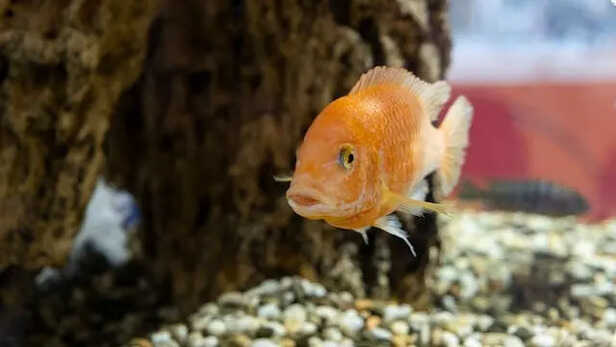
Fish in Comfortable Space (Image Credit:Pexels)
Your aquarium often gives signs about its condition, but these signs are not always obvious.
If your fish are hiding more than usual, it could mean they are stressed or uncomfortable. If they are swimming too fast or staying near the surface, it may be a sign of poor water quality.
Changes in water clarity can also indicate something is wrong. Cloudy water may suggest an imbalance in the tank, while unusual smells can be a warning sign.
Because you are not watching your aquarium all the time, these signs can develop slowly. That is why regular observation is important. Taking a few minutes each day to watch your fish can help you notice small changes before they become bigger problems.
Your aquarium is always communicating. You just need to learn how to read the signs.
Why Understanding This Matters for Fish Care
Knowing what happens in your aquarium when you are not around can improve the way you care for your fish.
It helps you understand that your role is not just to feed them. You are maintaining a complete environment that needs balance and attention.
Simple habits like not overfeeding, cleaning the tank regularly, and checking equipment can make a big difference. When you understand the hidden processes, you are more likely to make better decisions.
It also helps you build a connection with your aquarium. Watching your fish and learning their behaviour can make the experience more enjoyable and meaningful.
A well cared aquarium is not just beautiful. It is a healthy and active space for your fish.
Your aquarium may look calm from the outside, but it is full of life and activity even when you are not around. Fish follow their own routines, interact with each other, and respond to their environment in ways that are easy to miss.
At the same time, the tank itself is constantly changing. Water quality, oxygen levels, and natural processes continue to work together to support life inside.
Understanding this hidden world can help you become a better fish owner. It allows you to notice problems early and create a more balanced environment.
The next time you look at your aquarium, remember that there is more happening than what you see. It is not just a tank of water. It is a small world that depends on your care and attention.
Celebrate the bond with your pets, explore Health & Nutrition, discover Breeds, master Training Tips, Behavior Decoder, and set out on exciting Travel Tails with Times Pets!