
Weather and Mood: How Seasons Influence Pet Behavior
Upasna Yadav | Apr 17, 2026, 16:11 IST

Pet Playing Outdoors in Spring
Image credit : Pexels
Seasonal changes have a significant influence on pet behavior, affecting their mood, energy levels, appetite, and daily routines. This article explores how different weather conditions such as summer heat, winter cold, humidity, and seasonal transitions impact pets both physically and emotionally. It explains the role of temperature, daylight, and environmental factors in shaping behavioral patterns, including lethargy, increased sleep, anxiety, or heightened activity.
Highlights
1. Seasonal changes play a crucial role in shaping a pet’s physical activity, emotional state, and overall behavior throughout the year.
2. Temperature variations directly impact pets’ energy levels, with hot weather causing lethargy and cold weather encouraging rest and increased sleep.
3. Pets instinctively adjust their behavior to cope with environmental changes, such as seeking shade in summer or warmth during winter. Changes in appetite across seasons are common, with some pets eating less in heat and others consuming more in colder conditions.
2. Temperature variations directly impact pets’ energy levels, with hot weather causing lethargy and cold weather encouraging rest and increased sleep.
3. Pets instinctively adjust their behavior to cope with environmental changes, such as seeking shade in summer or warmth during winter. Changes in appetite across seasons are common, with some pets eating less in heat and others consuming more in colder conditions.
How Weather Impacts Pet Behavior ?
Weather plays a significant role in shaping both the physical and emotional responses of pets. Changes in climate can affect metabolism, hormone levels, and activity patterns. For instance, extreme heat or cold may cause pets to become less active, while pleasant weather can boost their energy and curiosity. These behavioral changes are natural responses to environmental conditions and should be recognized as part of a pet’s adaptive behavior.
Summer Behavior: Heat and Low Energy

A sweet play on words for sun-loving dogs.
Image credit : Pexels
During summer, pets often exhibit reduced activity and prefer resting in cool, shaded areas. The high temperatures can make them feel uncomfortable, leading to decreased appetite and increased thirst. This behavior is a natural way for pets to conserve energy and avoid overheating. Owners may notice their pets becoming more lethargic, choosing to lie on cool floors, or avoiding outdoor play during the hottest parts of the day.
Winter Behavior: Increased Sleep and Appetite

Cold nose, warm hear: A classic for any winter pup photo.
Image credit : Pexels
In colder months, pets tend to slow down and spend more time resting or sleeping. Some animals may also show an increase in appetite as their bodies require more energy to maintain warmth. Pets often seek cozy spots, blankets, or warm corners of the house. Reduced outdoor activity is also common, which can sometimes lead to weight gain if not managed properly.
Monsoon and Humid Weather Effects
Humid and rainy conditions can influence pets in subtle yet noticeable ways. Many pets become less active due to discomfort caused by moisture and dampness. Loud sounds such as thunder can trigger fear or anxiety, leading to restlessness or clingy behavior. Additionally, reduced outdoor time during rainy days may result in boredom, which can further impact their mood and behavior.
Spring and Seasonal Transitions
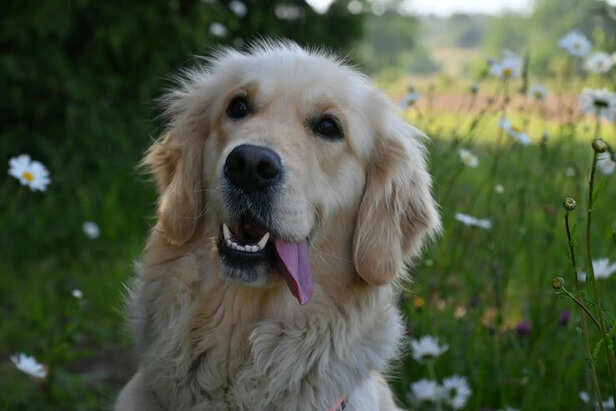
Ideal for a curious dog sniffing new blooms.
Image credit : Pexels
Spring is often associated with increased energy and renewed activity in pets. As temperatures become moderate and daylight increases, pets tend to be more playful and curious. This season may also bring changes in grooming habits, such as increased shedding. Some pets may display heightened excitement or behavioral changes linked to natural biological cycles, making them more active and engaged with their surroundings.
The Role of Daylight in Mood Changes
Daylight has a direct impact on a pet’s internal biological clock, influencing sleep patterns and overall mood. Longer daylight hours typically encourage more activity and alertness, while shorter days may lead to increased sleep and reduced energy. Hormonal changes triggered by light exposure, such as melatonin regulation, play a key role in these behavioral shifts, making pets more sensitive to seasonal light variations.
Emotional and Psychological Effects of Weather
Weather conditions can significantly affect a pet’s emotional well-being. Storms, extreme temperatures, or sudden environmental changes may cause anxiety, stress, or mood swings. Pets might become more withdrawn, irritable, or overly dependent on their owners during such times. Recognizing these emotional responses is essential for providing reassurance and maintaining a stable environment.
How to Support Your Pet Through Seasonal Changes ?
Supporting pets through seasonal transitions involves maintaining consistency and adapting care routines. Keeping a regular schedule for feeding, exercise, and sleep helps create a sense of security. Adjusting physical activities based on weather conditions, such as indoor play during extreme heat or rain, ensures pets remain active. Providing comfortable resting areas suited to the season cool spaces in summer and warm bedding in winter also enhances their comfort and well-being.
Signs Your Pet is Affected by Seasonal Changes
Pets often display clear signs when seasonal changes impact them. These may include shifts in appetite, unusual lethargy, increased anxiety, or altered sleep patterns. Some pets may become more clingy, while others may withdraw. Observing these changes early allows pet owners to take appropriate steps to maintain their pet’s health and emotional balance.
Frequently asked questions (FAQS
- Why does my dog become destructive when left alone?
Dogs often become destructive due to separation anxiety or boredom when left alone for long periods. Without stimulation or companionship, they may chew, scratch, or dig as a way to cope with stress. - How can I tell if my dog’s destructive behavior is due to boredom?
If your dog is destructive mainly when it has excess energy, lacks exercise, or shows improvement after playtime, boredom is likely the main cause. - Can stress or anxiety really cause destructive behavior in dogs?
Yes, stress and anxiety are major triggers. Dogs may chew furniture, scratch doors, or bark excessively as a response to fear, loneliness, or environmental changes.