
This One Mistake Can Make Any Dog Aggressive
Deepak Rajeev | Apr 05, 2026, 23:36 IST

Siberian Husky Puppy
Image credit : Pexels
Aggression in dogs rarely appears out of nowhere. It doesn’t begin with growling, snapping, or biting. It begins much earlier- quietly, almost invisibly- inside a dog that is confused, overwhelmed, or repeatedly misunderstood. Many owners believe aggression is a personality trait, something a dog either has or doesn’t. But in most cases, aggression is not who the dog is. It is a response to what the dog has experienced over time. And often, that response can be traced back to one common, deeply overlooked mistake: inconsistency in how we communicate and behave with them.
The Confusion That Builds Over Time
![Pitbull]() Dogs rely on clarity to feel safe. They learn the world through patterns- what earns affection, what leads to correction, what signals safety, and what signals danger. When those patterns keep changing, the dog is left in a state of uncertainty. One day a behaviour is allowed, the next day it is punished. A command is sometimes enforced, sometimes ignored. A tone that once meant comfort suddenly carries irritation. To a human, these shifts feel minor. To a dog, they feel like instability. Over time, this confusion doesn’t just frustrate the dog- it creates anxiety. And anxiety, when left unresolved, often turns into defensive behaviour.
Dogs rely on clarity to feel safe. They learn the world through patterns- what earns affection, what leads to correction, what signals safety, and what signals danger. When those patterns keep changing, the dog is left in a state of uncertainty. One day a behaviour is allowed, the next day it is punished. A command is sometimes enforced, sometimes ignored. A tone that once meant comfort suddenly carries irritation. To a human, these shifts feel minor. To a dog, they feel like instability. Over time, this confusion doesn’t just frustrate the dog- it creates anxiety. And anxiety, when left unresolved, often turns into defensive behaviour.
![Trust between a dog and its owner is built on consistency]() A dog that doesn’t understand what is expected of it begins to live in a constant state of alertness. It starts anticipating unpredictability. In such a state, the dog may begin to react more quickly, more intensely, and sometimes aggressively. This is not because it wants to harm, but because it is trying to regain control over an environment that feels uncertain. What appears as sudden aggression is often the final stage of prolonged confusion and stress. The growl, the snap, the bite—these are not random acts. They are signals that the dog has reached its limit.
A dog that doesn’t understand what is expected of it begins to live in a constant state of alertness. It starts anticipating unpredictability. In such a state, the dog may begin to react more quickly, more intensely, and sometimes aggressively. This is not because it wants to harm, but because it is trying to regain control over an environment that feels uncertain. What appears as sudden aggression is often the final stage of prolonged confusion and stress. The growl, the snap, the bite—these are not random acts. They are signals that the dog has reached its limit.
Trust between a dog and its owner is built on consistency. When your reactions, tone, and expectations remain steady, your dog learns to rely on you as a source of safety. But when your behaviour becomes unpredictable, that trust begins to erode. A dog that cannot predict how you will respond cannot fully relax around you. Over time, this lack of trust can manifest as hesitation, avoidance, or in more serious cases, aggression. Not because the dog is disobedient, but because it no longer feels secure.
The Subtle Ways This Mistake Happens
Inconsistency does not always look obvious. It often hides in everyday life- laughing at a behaviour one day and scolding it the next, allowing rough play sometimes but discouraging it at other times, giving commands without following through, or reacting emotionally in ways that the dog cannot interpret. Even differences between family members can create conflicting signals, leaving the dog unsure of what rules actually apply. These small contradictions accumulate, slowly shaping how the dog perceives its environment.
The solution is not harsh control or rigid discipline. It is clarity. Dogs thrive when expectations are predictable and communication is steady. Using the same cues, maintaining a consistent tone, and responding to behaviours in a reliable way creates a sense of security. When a dog understands what is expected, its anxiety decreases. And when anxiety decreases, the need for defensive or aggressive behaviour fades.
The most important thing to understand is that aggression is not a permanent identity- it is communication. It is the dog’s way of expressing discomfort, confusion, or fear. When we shift our focus from controlling behaviour to understanding its cause, the relationship changes. The dog is no longer seen as a problem to fix, but as a being trying to cope.
In the end, the “one mistake” that can make any dog aggressive is not cruelty or neglect in the obvious sense. It is something far more subtle: a lack of consistent, clear communication. And the moment that clarity returns, so does the possibility of trust, calm, and connection.
Celebrate the bond with your pets, explore Health & Nutrition, discover Breeds, master Training Tips, Behavior Decoder, and set out on exciting Travel Tails with Times Pets!
The Confusion That Builds Over Time
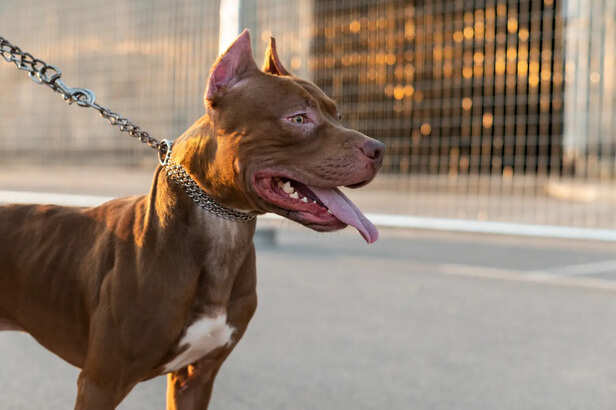
Pitbull
Image credit : Freepik
When Anxiety Turns Into Aggression
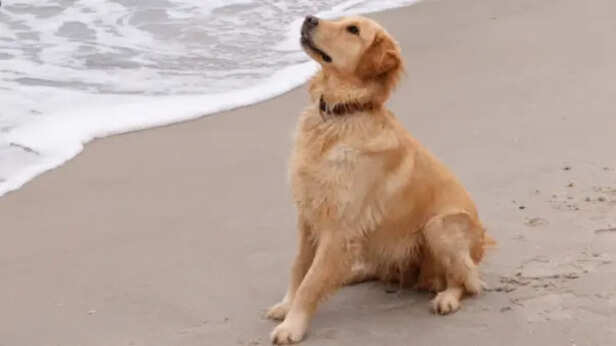
Trust between a dog and its owner is built on consistency
Image credit : Freepik
Mixed Signals Break Trust
Trust between a dog and its owner is built on consistency. When your reactions, tone, and expectations remain steady, your dog learns to rely on you as a source of safety. But when your behaviour becomes unpredictable, that trust begins to erode. A dog that cannot predict how you will respond cannot fully relax around you. Over time, this lack of trust can manifest as hesitation, avoidance, or in more serious cases, aggression. Not because the dog is disobedient, but because it no longer feels secure.
The Subtle Ways This Mistake Happens
Inconsistency does not always look obvious. It often hides in everyday life- laughing at a behaviour one day and scolding it the next, allowing rough play sometimes but discouraging it at other times, giving commands without following through, or reacting emotionally in ways that the dog cannot interpret. Even differences between family members can create conflicting signals, leaving the dog unsure of what rules actually apply. These small contradictions accumulate, slowly shaping how the dog perceives its environment.
The Way Back to Balance
The solution is not harsh control or rigid discipline. It is clarity. Dogs thrive when expectations are predictable and communication is steady. Using the same cues, maintaining a consistent tone, and responding to behaviours in a reliable way creates a sense of security. When a dog understands what is expected, its anxiety decreases. And when anxiety decreases, the need for defensive or aggressive behaviour fades.
Aggression Is a Signal, Not a Sentence
The most important thing to understand is that aggression is not a permanent identity- it is communication. It is the dog’s way of expressing discomfort, confusion, or fear. When we shift our focus from controlling behaviour to understanding its cause, the relationship changes. The dog is no longer seen as a problem to fix, but as a being trying to cope.
In the end, the “one mistake” that can make any dog aggressive is not cruelty or neglect in the obvious sense. It is something far more subtle: a lack of consistent, clear communication. And the moment that clarity returns, so does the possibility of trust, calm, and connection.
Celebrate the bond with your pets, explore Health & Nutrition, discover Breeds, master Training Tips, Behavior Decoder, and set out on exciting Travel Tails with Times Pets!