
Things Humans Do That Cats Secretly Hate - Explained
Deepak Rajeev | May 05, 2026, 16:44 IST

Things You Do That Your Cat Hates
Image credit : Pexels
This article explains the common things humans do that cats hate, including forced affection, loud noises, direct eye contact, and disrupted routines. It explores feline behavior, communication signals, and sensitivity to environment. Based on animal behavior insights, it shows how cats experience stress and discomfort, helping owners understand their pets better and build a stronger, more respectful bond.
Cats are often seen as independent, mysterious, and even unpredictable, but their reactions to human behavior are usually very consistent once you understand their natural instincts. What many people interpret as “attitude” or “moodiness” is actually a response to stress, discomfort, or violation of their boundaries. Modern feline behavior studies show that cats are highly sensitive to environment, touch, sound, and social pressure, and even small human actions can significantly affect their sense of safety and control. Understanding what cats dislike is not about blaming owners. It is about improving communication between species that experience the world in very different ways.
![Cats dislike is being handled when they are not ready]() One of the most common things cats dislike is being handled when they are not ready. Unlike dogs, cats are not naturally tolerant of forced physical contact. When a human picks them up, hugs them tightly, or restrains them, it can trigger a stress response because it removes their ability to escape. Behavior experts explain that cats prefer interaction on their own terms. Even affectionate cats may suddenly pull away if they feel held too long or too tightly. This is not rejection of the owner but a natural instinct to maintain control over personal space. Studies show that forcing interaction can reduce trust over time and make cats more cautious in future encounters.
One of the most common things cats dislike is being handled when they are not ready. Unlike dogs, cats are not naturally tolerant of forced physical contact. When a human picks them up, hugs them tightly, or restrains them, it can trigger a stress response because it removes their ability to escape. Behavior experts explain that cats prefer interaction on their own terms. Even affectionate cats may suddenly pull away if they feel held too long or too tightly. This is not rejection of the owner but a natural instinct to maintain control over personal space. Studies show that forcing interaction can reduce trust over time and make cats more cautious in future encounters.
Cats have highly sensitive hearing, which makes them extremely reactive to loud or unexpected sounds. Everyday household noises like vacuum cleaners, doors slamming, or sudden shouting can feel overwhelming to them. From a biological perspective, this sensitivity evolved as a survival mechanism. In the wild, sudden noise often signals danger. Even in domestic environments, this instinct remains strong, causing cats to hide or become alert when exposed to loud environments. Research confirms that noise-related stress is one of the most common triggers of feline anxiety.
Ignoring Their Need for Space and Routine
Cats rely heavily on routine and predictability. Sudden changes in their environment, feeding schedule, or household structure can cause confusion and stress. Even rearranging furniture or changing litter box location can temporarily disrupt their sense of security. Another major issue is ignoring their signals for space. Cats often communicate discomfort through body language such as turning away, flattening ears, or moving to a higher surface. When humans fail to recognize these signals and continue interaction, it can create frustration or avoidance behavior.
Research shows that cats feel safest when they can choose when to engage and when to retreat. Respecting this autonomy is key to maintaining trust.
![Girl with cat]() Humans often use eye contact as a sign of attention or affection, but for cats, prolonged staring can feel threatening. In feline communication, direct staring is often associated with confrontation or dominance. This is why some cats become uncomfortable or look away when someone stares at them for too long. Interestingly, cats use a slow blink as a sign of trust and relaxation. When humans return this slow blink, it can strengthen bonding. But intense, unbroken eye contact can have the opposite effect and make the cat feel pressured.
Humans often use eye contact as a sign of attention or affection, but for cats, prolonged staring can feel threatening. In feline communication, direct staring is often associated with confrontation or dominance. This is why some cats become uncomfortable or look away when someone stares at them for too long. Interestingly, cats use a slow blink as a sign of trust and relaxation. When humans return this slow blink, it can strengthen bonding. But intense, unbroken eye contact can have the opposite effect and make the cat feel pressured.
Most cats strongly dislike water-related activities such as bathing. This is partly due to physical discomfort and partly because wet fur affects their ability to regulate temperature and smell. Cats rely heavily on scent for communication and orientation, so anything that interferes with it can feel disturbing. Strong smells, unfamiliar cleaning products, or sudden changes in scent in their environment can also cause discomfort. Cats use scent marking to feel secure in their territory, so overwhelming or foreign odors may make them feel unsafe or disoriented. Even grooming or brushing can be stressful if done too forcefully or at the wrong time.
Cats are not difficult because they dislike humans. They are simply highly sensitive animals with strong instincts for control, safety, and predictability. Most of the things humans do that cats “hate” are not intentional harm, but misunderstandings of how cats perceive the world. When their boundaries are respected, cats often show deep affection in quiet, subtle ways. They choose when to approach, when to observe, and when to trust. Understanding these preferences does not just reduce stress for the cat. It strengthens the bond between humans and one of the most sensitive companions in the animal world.
Celebrate the bond with your pets, explore Health & Nutrition, discover Breeds, master Training Tips, Behavior Decoder, and set out on exciting Travel Tails with Times Pets!
Forced Affection and Loss of Control
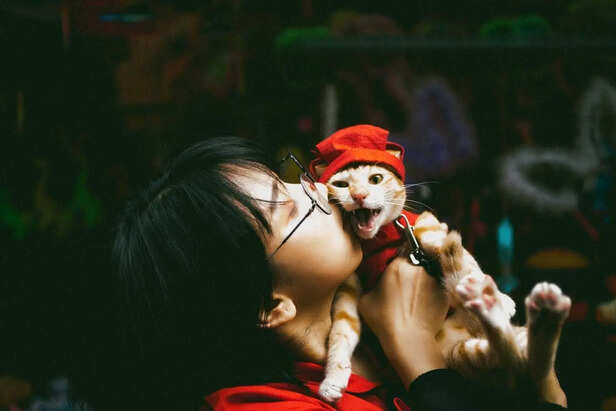
Cats dislike is being handled when they are not ready
Image credit : Pexels
Loud Noises and Sudden Movements
Cats have highly sensitive hearing, which makes them extremely reactive to loud or unexpected sounds. Everyday household noises like vacuum cleaners, doors slamming, or sudden shouting can feel overwhelming to them. From a biological perspective, this sensitivity evolved as a survival mechanism. In the wild, sudden noise often signals danger. Even in domestic environments, this instinct remains strong, causing cats to hide or become alert when exposed to loud environments. Research confirms that noise-related stress is one of the most common triggers of feline anxiety.
Ignoring Their Need for Space and Routine
Cats rely heavily on routine and predictability. Sudden changes in their environment, feeding schedule, or household structure can cause confusion and stress. Even rearranging furniture or changing litter box location can temporarily disrupt their sense of security. Another major issue is ignoring their signals for space. Cats often communicate discomfort through body language such as turning away, flattening ears, or moving to a higher surface. When humans fail to recognize these signals and continue interaction, it can create frustration or avoidance behavior.
Research shows that cats feel safest when they can choose when to engage and when to retreat. Respecting this autonomy is key to maintaining trust.
Direct Eye Contact and Misunderstood Signals
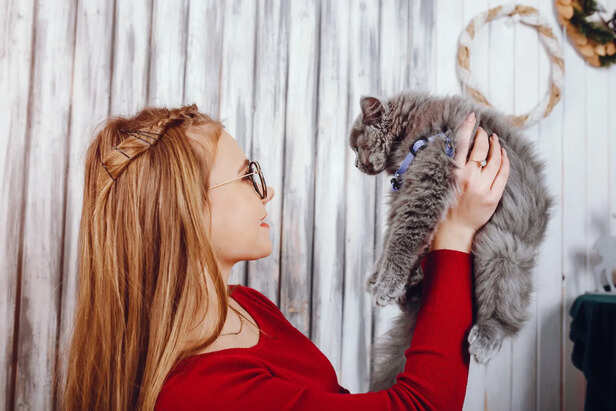
Girl with cat
Image credit : Freepik
Baths, Unfamiliar Smells, and Sensory Stress
Most cats strongly dislike water-related activities such as bathing. This is partly due to physical discomfort and partly because wet fur affects their ability to regulate temperature and smell. Cats rely heavily on scent for communication and orientation, so anything that interferes with it can feel disturbing. Strong smells, unfamiliar cleaning products, or sudden changes in scent in their environment can also cause discomfort. Cats use scent marking to feel secure in their territory, so overwhelming or foreign odors may make them feel unsafe or disoriented. Even grooming or brushing can be stressful if done too forcefully or at the wrong time.
A Final Understanding of Feline Behavior
Cats are not difficult because they dislike humans. They are simply highly sensitive animals with strong instincts for control, safety, and predictability. Most of the things humans do that cats “hate” are not intentional harm, but misunderstandings of how cats perceive the world. When their boundaries are respected, cats often show deep affection in quiet, subtle ways. They choose when to approach, when to observe, and when to trust. Understanding these preferences does not just reduce stress for the cat. It strengthens the bond between humans and one of the most sensitive companions in the animal world.
Celebrate the bond with your pets, explore Health & Nutrition, discover Breeds, master Training Tips, Behavior Decoder, and set out on exciting Travel Tails with Times Pets!