
The Sloth’s Secret: How the Jungle’s Slowest Mammal Outsmarts Everyone
Anushka Tripathi | Jan 22, 2026, 14:56 IST

sloth bear
Image credit : Freepik
Sloths may be slow, but their calm movements and thoughtful survival strategies reveal a deep and quiet wisdom. Living high in the jungle canopy, these gentle creatures survive through patience, careful planning, and energy conservation rather than speed or force. This article explores how sloths teach us powerful lessons about resilience, mindfulness, and balance. In a world that constantly rushes forward, sloths remind us that slowing down, observing carefully, and moving with intention can be the smartest way to live.
When you picture the jungle, your mind might jump to roaring tigers, monkeys swinging wildly from tree to tree, or bright parrots flitting between branches. But high above, in the dense green canopy, lives a creature that moves at its own unhurried pace. The sloth, famously the slowest mammal on Earth, seems almost like a shadow in the leaves.
At first glance, sloths might seem lazy, sleepy, or even unremarkable. Their movements are so slow that it is easy to underestimate them. But the life of a sloth is far more fascinating than it appears. Every moment of their slow, deliberate existence is filled with lessons in patience, survival, and quiet intelligence. The sloth shows us that being slow is not weakness, but a form of wisdom.
Sloths move at a fraction of the speed of most other jungle animals. On the ground, their movements are almost imperceptible. But this slowness is not a flaw. It is an extraordinary survival strategy. In a jungle full of predators, speed can attract danger. Sloths, in contrast, blend seamlessly into the foliage. A predator may be near and still fail to notice them.
Every careful stretch of a limb, every deliberate reach for a leaf, is calculated for safety. Their slow movements reduce the chance of drawing attention. Even their eating habits reflect intelligence. Sloths chew each leaf carefully, extracting maximum nutrients from food that many other animals ignore. By doing less, they survive more.
This slow pace allows sloths to avoid exhaustion. Unlike other animals that expend energy chasing food or evading predators, sloths conserve energy. This energy management is one of their most remarkable skills. Nature has designed them to survive with minimal effort but maximum efficiency.
Sloths are true masters of the treetops. They spend almost their entire lives in the canopy, hanging upside down from strong, curved claws that grip branches like hooks. Moving between branches requires careful calculation. Every movement is slow but deliberate. One wrong move could lead to a dangerous fall.
Sleeping is another skill of survival. Sloths rest for 15 to 20 hours a day, carefully choosing hidden spots that protect them from predators. Their fur is another clever adaptation. Tiny algae grow on their hair, giving them a green tint that helps them blend into the surrounding leaves. This natural camouflage is nature’s way of keeping sloths safe.
The jungle is full of dangers, but sloths move quietly, almost invisibly. Their brains may be small, but their lives are a masterclass in strategy. They survive not by brute force or speed, but by intelligence, patience, and subtlety. Every hang from a branch and every careful move through the canopy is a lesson in mindfulness.
It might surprise you, but sloths are clever in their own way. Their brains are small, roughly the size of a walnut, but their thinking is efficient. Sloths remember the best trees to find food, the safest paths to travel, and even the times when predators are most active. Their intelligence is not flashy or obvious. It is quiet, practical, and focused on survival.
Unlike predators who rely on strength or speed, sloths rely on planning. They know which branch will hold their weight, which leaf is safe to eat, and where to rest without being spotted. This shows a different kind of intelligence, one built on observation, memory, and patience. Sloths teach us that being smart is not always about acting fast, but about acting wisely.
Even their social intelligence is remarkable. While they are largely solitary, sloths know how to avoid conflicts and stay out of danger. They communicate subtly using sounds and scents, leaving invisible messages for others without ever confronting them directly. Their brains might be small, but their wisdom is immense.
One of the main reasons sloths move so slowly is their unusual diet. They feed mostly on leaves, which are tough, fibrous, and low in nutrients. To process these leaves, sloths have specially designed stomachs with multiple compartments. It can take weeks for a single meal to fully digest.
This slow digestion explains their energy-saving lifestyle. By moving slowly, sloths conserve the energy they need for survival. Every careful movement reduces caloric expenditure. Even traveling from one tree to another is done at a pace that ensures minimal energy loss.
Their slow metabolism also protects them in times when food is scarce. Sloths can survive without eating for days because their bodies are designed to use energy efficiently. In a world where most animals are constantly on the move for survival, sloths show that slowing down is a smart strategy.
![rare sloth bear]()
Sloths may seem solitary and quiet, but their bonds with their young are deeply emotional. A mother sloth carries her baby everywhere for the first six months of life. Every movement, every climb, every feeding is a carefully orchestrated act of love and protection.
The baby learns by observing and mimicking the mother. This slow, careful parenting ensures that the young sloth survives the dangers of the jungle. It is a form of intelligence that goes beyond survival. It is about teaching, nurturing, and understanding the needs of another being.
Watching a mother sloth with her baby is a lesson in patience and empathy. Their lives remind us that true intelligence includes care and love, not just quick thinking or speed.
Sloths live lives that seem uneventful at first glance. They do not chase prey or rush through the trees. Yet every habit, every movement, is a lesson in survival, patience, and mindfulness.
In the modern world, where speed and efficiency are celebrated, sloths remind us that moving slowly can be the wisest choice. They show that careful planning, observation, and patience often yield better results than rushing blindly.
Sloths teach us resilience. They thrive in one of the most dangerous environments on Earth, not by brute strength, but by living intentionally and observing their surroundings. Their quiet presence in the jungle is a reminder that sometimes the slowest path leads to the most enduring success.
There is something profoundly calming about watching a sloth. Their deliberate movements, slow stretching, and peaceful demeanor create a sense of stillness that is rare in the wild. Their presence slows the rhythm of the jungle and even the observer’s mind.
Sloths show that intelligence is not always measured by problem-solving or fast thinking. It is also about balance, patience, and harmony with the environment. By living slowly, they connect deeply with the world around them, sensing danger, finding food, and resting in safety.
Observing a sloth can feel almost meditative. In their quiet life, humans can see the power of slowing down, appreciating the small things, and valuing patience over haste.
![sloth hanging]()
Sloths may be the slowest mammals in the jungle, but they are far from foolish. Every branch they cling to, every leaf they eat, and every calculated movement is a demonstration of intelligence, patience, and strategy. Their lives are a perfect blend of survival skill, emotional depth, and quiet wisdom.
In a fast-paced world that often values speed over thoughtfulness, sloths remind us that slowing down can be the smartest choice of all. They teach lessons of mindfulness, careful planning, energy efficiency, and emotional intelligence. Their slow life is not a weakness. It is a masterpiece of evolution, survival, and quiet brilliance.
Watching a sloth reminds us that strength and intelligence are not always loud or fast. Sometimes, the greatest power lies in patience, observation, and living with intention. Sloths show that slow and steady is not only a strategy for survival, but also a way to live wisely and fully.
Celebrate the bond with your pets, explore Health & Nutrition, discover Breeds, master Training Tips, Behavior Decoder, and set out on exciting Travel Tails with Times Pets!
At first glance, sloths might seem lazy, sleepy, or even unremarkable. Their movements are so slow that it is easy to underestimate them. But the life of a sloth is far more fascinating than it appears. Every moment of their slow, deliberate existence is filled with lessons in patience, survival, and quiet intelligence. The sloth shows us that being slow is not weakness, but a form of wisdom.
Slow and Steady Wins the Survival Game
Sloths move at a fraction of the speed of most other jungle animals. On the ground, their movements are almost imperceptible. But this slowness is not a flaw. It is an extraordinary survival strategy. In a jungle full of predators, speed can attract danger. Sloths, in contrast, blend seamlessly into the foliage. A predator may be near and still fail to notice them.
Every careful stretch of a limb, every deliberate reach for a leaf, is calculated for safety. Their slow movements reduce the chance of drawing attention. Even their eating habits reflect intelligence. Sloths chew each leaf carefully, extracting maximum nutrients from food that many other animals ignore. By doing less, they survive more.
This slow pace allows sloths to avoid exhaustion. Unlike other animals that expend energy chasing food or evading predators, sloths conserve energy. This energy management is one of their most remarkable skills. Nature has designed them to survive with minimal effort but maximum efficiency.
Hanging in Style: Life Among the Leaves
Sloths are true masters of the treetops. They spend almost their entire lives in the canopy, hanging upside down from strong, curved claws that grip branches like hooks. Moving between branches requires careful calculation. Every movement is slow but deliberate. One wrong move could lead to a dangerous fall.
Sleeping is another skill of survival. Sloths rest for 15 to 20 hours a day, carefully choosing hidden spots that protect them from predators. Their fur is another clever adaptation. Tiny algae grow on their hair, giving them a green tint that helps them blend into the surrounding leaves. This natural camouflage is nature’s way of keeping sloths safe.
The jungle is full of dangers, but sloths move quietly, almost invisibly. Their brains may be small, but their lives are a masterclass in strategy. They survive not by brute force or speed, but by intelligence, patience, and subtlety. Every hang from a branch and every careful move through the canopy is a lesson in mindfulness.
Little Brains, Big Smarts
It might surprise you, but sloths are clever in their own way. Their brains are small, roughly the size of a walnut, but their thinking is efficient. Sloths remember the best trees to find food, the safest paths to travel, and even the times when predators are most active. Their intelligence is not flashy or obvious. It is quiet, practical, and focused on survival.
Unlike predators who rely on strength or speed, sloths rely on planning. They know which branch will hold their weight, which leaf is safe to eat, and where to rest without being spotted. This shows a different kind of intelligence, one built on observation, memory, and patience. Sloths teach us that being smart is not always about acting fast, but about acting wisely.
Even their social intelligence is remarkable. While they are largely solitary, sloths know how to avoid conflicts and stay out of danger. They communicate subtly using sounds and scents, leaving invisible messages for others without ever confronting them directly. Their brains might be small, but their wisdom is immense.
The Slow Digestion Secret
One of the main reasons sloths move so slowly is their unusual diet. They feed mostly on leaves, which are tough, fibrous, and low in nutrients. To process these leaves, sloths have specially designed stomachs with multiple compartments. It can take weeks for a single meal to fully digest.
This slow digestion explains their energy-saving lifestyle. By moving slowly, sloths conserve the energy they need for survival. Every careful movement reduces caloric expenditure. Even traveling from one tree to another is done at a pace that ensures minimal energy loss.
Their slow metabolism also protects them in times when food is scarce. Sloths can survive without eating for days because their bodies are designed to use energy efficiently. In a world where most animals are constantly on the move for survival, sloths show that slowing down is a smart strategy.
Motherly Love in the Canopy
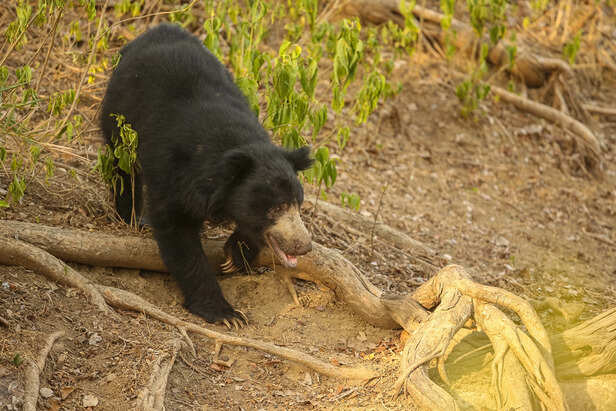
rare sloth bear
Image credit : Freepik
Sloths may seem solitary and quiet, but their bonds with their young are deeply emotional. A mother sloth carries her baby everywhere for the first six months of life. Every movement, every climb, every feeding is a carefully orchestrated act of love and protection.
The baby learns by observing and mimicking the mother. This slow, careful parenting ensures that the young sloth survives the dangers of the jungle. It is a form of intelligence that goes beyond survival. It is about teaching, nurturing, and understanding the needs of another being.
Watching a mother sloth with her baby is a lesson in patience and empathy. Their lives remind us that true intelligence includes care and love, not just quick thinking or speed.
Lessons from the Slow Lane
Sloths live lives that seem uneventful at first glance. They do not chase prey or rush through the trees. Yet every habit, every movement, is a lesson in survival, patience, and mindfulness.
In the modern world, where speed and efficiency are celebrated, sloths remind us that moving slowly can be the wisest choice. They show that careful planning, observation, and patience often yield better results than rushing blindly.
Sloths teach us resilience. They thrive in one of the most dangerous environments on Earth, not by brute strength, but by living intentionally and observing their surroundings. Their quiet presence in the jungle is a reminder that sometimes the slowest path leads to the most enduring success.
The Emotional Power of Slowness
There is something profoundly calming about watching a sloth. Their deliberate movements, slow stretching, and peaceful demeanor create a sense of stillness that is rare in the wild. Their presence slows the rhythm of the jungle and even the observer’s mind.
Sloths show that intelligence is not always measured by problem-solving or fast thinking. It is also about balance, patience, and harmony with the environment. By living slowly, they connect deeply with the world around them, sensing danger, finding food, and resting in safety.
Observing a sloth can feel almost meditative. In their quiet life, humans can see the power of slowing down, appreciating the small things, and valuing patience over haste.
The Wise Philosopher of the Jungle
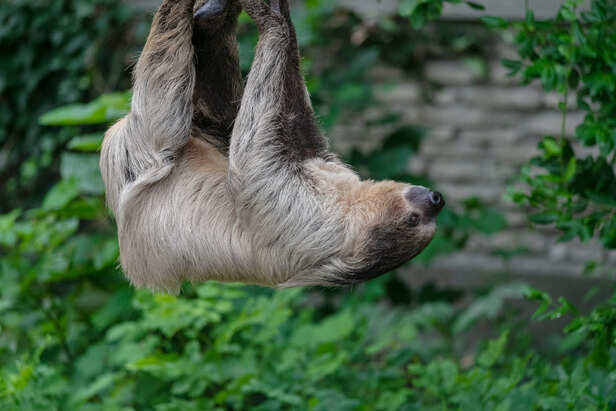
sloth hanging
Image credit : Freepik
Sloths may be the slowest mammals in the jungle, but they are far from foolish. Every branch they cling to, every leaf they eat, and every calculated movement is a demonstration of intelligence, patience, and strategy. Their lives are a perfect blend of survival skill, emotional depth, and quiet wisdom.
In a fast-paced world that often values speed over thoughtfulness, sloths remind us that slowing down can be the smartest choice of all. They teach lessons of mindfulness, careful planning, energy efficiency, and emotional intelligence. Their slow life is not a weakness. It is a masterpiece of evolution, survival, and quiet brilliance.
Watching a sloth reminds us that strength and intelligence are not always loud or fast. Sometimes, the greatest power lies in patience, observation, and living with intention. Sloths show that slow and steady is not only a strategy for survival, but also a way to live wisely and fully.
Celebrate the bond with your pets, explore Health & Nutrition, discover Breeds, master Training Tips, Behavior Decoder, and set out on exciting Travel Tails with Times Pets!