
The Secret Language Of Guinea Pigs: How They Express Love, Comfort, And Stress
Anushka Tripathi | Feb 19, 2026, 14:00 IST

Guinea Pig
Image credit : Freepik
Guinea pigs may be small, but their emotional world is rich and expressive. This article explores how guinea pigs communicate love, comfort, fear, and stress through sounds, body language, touch, and daily behavior. From joyful popcorning to warning teeth chattering, each signal reveals how these gentle animals experience relationships and safety. By learning to recognize their subtle language, pet parents can build deeper trust, reduce stress, and create a more emotionally secure environment for their guinea pigs.
Guinea pigs may be small and quiet to the outside world, but within their tiny bodies lives a rich emotional universe. They do not speak in words, yet they communicate constantly through sounds, movements, posture, and subtle habits that often go unnoticed. For anyone who has ever shared their home with a guinea pig, there comes a moment of realization when a squeak feels like a greeting, a gentle rumble feels like trust, and silence itself begins to mean something. Understanding how guinea pigs communicate love and stress is not just about better pet care. It is about learning to listen with patience, empathy, and presence.
Why Guinea Pig Communication Is Often Misunderstood
Guinea pigs are prey animals by nature. In the wild, showing weakness or distress openly can be dangerous. Because of this, their communication style is cautious and layered. Many people mistake their quiet nature for emotional simplicity, but the truth is the opposite. Guinea pigs feel deeply. They just express those feelings in ways that require attention and time to decode. Unlike dogs who leap or cats who vocalize affection clearly, guinea pigs rely on a language built on nuance. A small shift in posture, a soft vibration, or a repeated sound can carry emotional meaning.
The Power Of Sounds In A Guinea Pig’s World
Guinea Pig
Image credit : Freepik
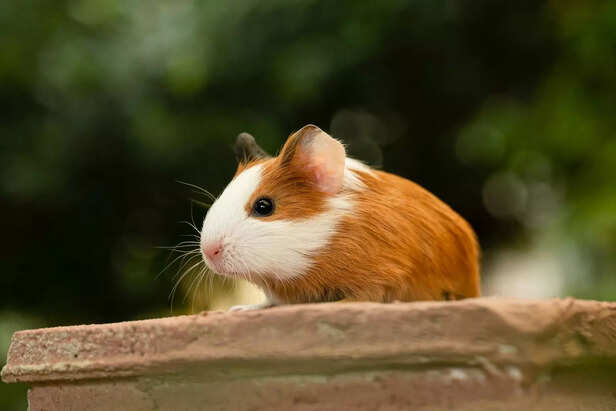
Sound is the heart of guinea pig communication. They are among the most vocal small mammals kept as pets. Each sound carries a specific emotional message. When you hear a guinea pig wheek loudly, especially around feeding time, it is not just hunger. It is excitement, anticipation, and recognition. They are calling out to someone they trust. This sound often strengthens over time as the bond between pet and human grows.
Soft chirps and murmurs are usually signs of comfort. These gentle sounds often appear when a guinea pig is being held calmly or resting in a familiar space. They signal safety and emotional ease. On the other hand, high pitched squeals are a sign of fear, pain, or extreme discomfort. These sounds demand immediate attention because they indicate distress.
Teeth chattering is another sound that often confuses people. It is not playful. It is a warning. A guinea pig chatters its teeth when it feels threatened or annoyed. Understanding this sound can prevent stress and potential bites. Silence also speaks volumes. A suddenly quiet guinea pig who is usually vocal may be feeling unwell or emotionally withdrawn.
Body Language As Emotional Expression
Guinea pigs communicate just as much with their bodies as with their voices. Their posture can reveal how they feel in a moment. A relaxed guinea pig often stretches out, lies on its side, or sits calmly without tension. This is a sign of deep trust, especially in the presence of humans. When a guinea pig freezes or crouches low to the ground, it is feeling scared or uncertain. This behavior is rooted in survival instincts. Raised fur or stiff posture can signal discomfort or stress. Gentle observation helps differentiate between curiosity and anxiety.
One of the most joyful expressions of guinea pig happiness is popcorn behavior. This sudden jumping and twisting movement happens when they feel excited and safe. It is often seen in young guinea pigs but can appear at any age when they experience happiness or playful energy. Popcorning is a powerful indicator of emotional wellbeing.
Touch And Physical Responses To Love
pigs
Image credit : Freepik
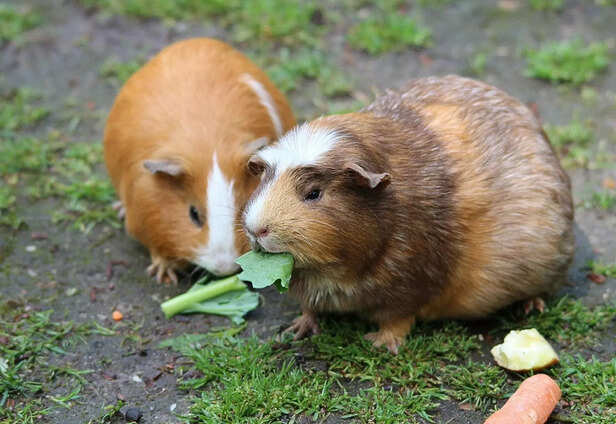
Guinea pigs do not always seek touch immediately. Trust develops slowly. When they do accept physical affection, it is meaningful. A guinea pig that leans into your hand or remains still while being gently stroked is expressing comfort and acceptance. Some guinea pigs purr softly when they are content, similar to cats but much subtler. However, not all purring means happiness. A low, vibrating purr paired with stiff posture can indicate annoyance. Context matters deeply in guinea pig communication. Learning your guinea pig’s individual personality helps interpret these responses correctly.
Licking is another rare but intimate behavior. When a guinea pig licks your skin, it can be a sign of affection or curiosity. It shows familiarity and lack of fear. These moments are quiet but emotionally significant.
Social Bonds And Emotional Dependence
Guinea pigs are highly social animals. They thrive in the presence of others. Whether bonded with another guinea pig or closely attached to a human caregiver, their emotional health depends on connection. They communicate differently when they feel secure in a relationship.
Bonded guinea pigs often groom each other, sit close, or communicate with soft sounds. Separation can lead to noticeable stress behaviors such as decreased appetite, hiding, or excessive vocalization. This highlights how deeply they value companionship. When a guinea pig begins greeting you with sounds or approaching the enclosure edge eagerly, it is a sign of emotional attachment. They recognize individuals and respond to familiar voices and routines.
Signs Of Stress That Are Easy To Miss
Stress in guinea pigs is not always loud or dramatic. Often it appears quietly. A stressed guinea pig may hide more than usual, stop vocalizing, or show changes in eating habits. Reduced movement or constant freezing can indicate anxiety. Over grooming or chewing cage bars may also be stress responses.
Environmental changes such as loud noises, sudden movements, or improper housing conditions can trigger emotional discomfort. Guinea pigs are sensitive to temperature, light, and space. Emotional stress often reflects environmental stress. Another overlooked sign is excessive yawning or repeated stretching. These behaviors can be subtle indicators of tension rather than relaxation. Paying attention to patterns rather than isolated moments helps identify stress early.
How Routine Builds Emotional Safety
Guinea Pigs
Image credit : Freepik
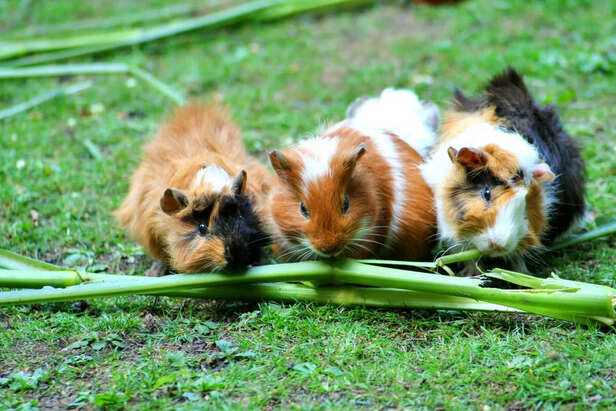
Guinea pigs find comfort in predictability. Regular feeding times, consistent handling routines, and familiar environments help them feel secure. When routines are disrupted, stress signals often increase.
Talking softly while approaching them, moving slowly, and offering food by hand builds trust over time. These actions communicate safety in a language guinea pigs understand. Emotional bonds grow stronger when interactions are respectful and patient.
Guinea pigs respond positively to gentle verbal cues. Over time, they associate specific tones with comfort and care. This auditory familiarity reduces fear and builds emotional connection.
The Role Of Environment In Emotional Expression
A guinea pig’s environment shapes how freely it communicates. Adequate space, hiding spots, soft bedding, and enrichment activities allow them to express natural behaviors. When environments are restrictive or overstimulating, communication often shifts toward stress signals.
Toys, tunnels, and varied textures encourage exploration and confidence. A confident guinea pig communicates more openly and shows affection more readily. Environmental enrichment is not just physical. It is emotional care. Lighting also plays a role. Harsh lighting can cause anxiety. Natural light cycles support emotional balance. Quiet spaces allow guinea pigs to rest and reset emotionally.
Learning To Listen Without Words
Understanding guinea pig communication requires slowing down. It is about observing patterns rather than reacting to isolated behaviors. Each guinea pig has a unique personality and communication style. Some are more vocal. Others rely heavily on body language. Emotional literacy with guinea pigs develops over time. The more consistently you respond to their needs, the clearer their communication becomes. Trust creates clarity. Stress creates confusion.
When humans learn to listen without forcing interaction, guinea pigs respond with authenticity. Love from a guinea pig is gentle and understated, but it is deeply real.
Why Emotional Awareness Improves Their Lives
Recognizing how guinea pigs communicate love and stress leads to better care and stronger bonds. It reduces fear based handling and encourages empathy. Guinea pigs who feel understood are healthier, more active, and emotionally balanced.
They may be small, but their emotional lives are vast. When we learn their language, we do more than care for a pet. We enter a quiet relationship built on respect and emotional presence.
Guinea pigs teach us that love does not always shout. Sometimes it whispers. Sometimes it vibrates softly. Sometimes it sits quietly beside you, trusting that you are listening.
Celebrate the bond with your pets, explore Health & Nutrition, discover Breeds, master Training Tips, Behavior Decoder, and set out on exciting Travel Tails with Times Pets!