
The Morning Habit You Think Is Harmless but Is Slowly Harming Your Dog
Anushka Tripathi | Jan 30, 2026, 22:00 IST

woman and dog
Image credit : Freepik
Many dog owners unintentionally affect their pet’s health through rushed and disconnected morning routines. Skipping movement, emotional interaction, or calm transitions can lead to stress, anxiety, digestive issues, and long-term health problems in dogs. This article explores why mornings are crucial for a dog’s physical and emotional well-being and how small, mindful changes can improve health, strengthen trust, and deepen the bond between dogs and their humans.
Every morning begins the same way. The alarm rings. You stretch, check your phone, rush through your routine, and step out the door or sit down to work. Your dog watches all of this quietly. Tail wagging. Eyes hopeful. Body ready.
And yet, without realizing it, many dog parents make one small mistake every morning that slowly affects their dog’s physical health and emotional well-being. It is not about bad intentions or lack of love. It is about habit. A habit that feels normal, even responsible, but over time can lead to anxiety, digestive issues, joint problems, obesity, and behavioral changes. To protect your dog, you first need to understand what that mistake is and why it matters so deeply.
The Mistake Most Dog Owners Make Every Morning
The most common mistake dog owners make every morning is skipping meaningful morning movement and engagement with their dog. Not just a rushed bathroom break. Not just filling the food bowl and leaving. Not just opening the door for a quick walk while scrolling on your phone.
Dogs need more than a physical release. They need connection, stimulation, and a sense of purpose to start their day. When mornings become hurried and emotionally empty, dogs feel it before their bodies show it.
Why Mornings Matter More Than You Think
Dogs are routine-driven animals. Their internal clock is closely tied to daily patterns. Morning sets the emotional tone for the entire day. When a dog wakes up and experiences calm movement, attention, and clarity, their nervous system stays balanced. When they wake up to chaos, rushing, or emotional absence, stress quietly builds. Over time, this stress does not disappear. It settles into the body.
What Happens Inside Your Dog’s Body When Mornings Are Rushed

dog
Image credit : Pexels
When dogs wake up, their cortisol levels naturally rise. This is normal. Morning movement helps release this energy in a healthy way. If that movement does not happen, cortisol stays elevated.
High cortisol over long periods affects digestion, immunity, joints, and mood. This is why dogs who do not get proper morning engagement often show restlessness, excessive barking, destructive chewing, weight gain, or unusual lethargy. It is not misbehavior. It is unmet need.
The Difference Between a Walk and a Real Walk
Many dog owners believe a short morning walk is enough. But there is a big difference between walking your dog and walking with your dog.
A rushed walk is about speed. A meaningful walk is about connection. When you let your dog sniff, explore, and move at their natural pace, their brain relaxes. Sniffing is mental exercise. It lowers anxiety and supports emotional balance. Even fifteen minutes of a calm, attentive walk can do more than an hour of distracted walking.
Why Feeding Immediately After Waking Can Be Harmful
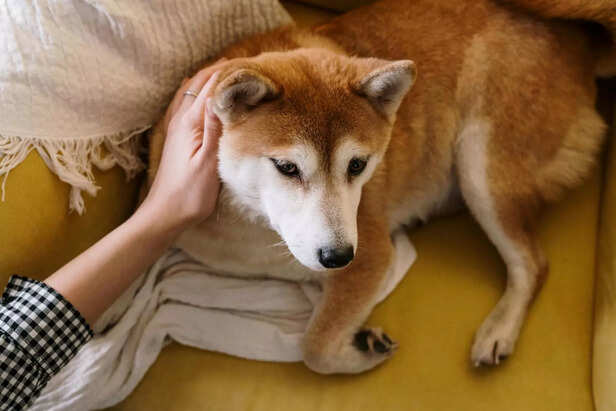
dog
Image credit : Pexels
Another common morning habit is feeding the dog the moment they wake up. While it feels loving, feeding before movement can strain digestion, especially in larger breeds.
Dogs evolved to move first and eat later. Skipping movement and going straight to food can lead to bloating, poor digestion, and sluggish energy throughout the day. A short walk or light play before breakfast helps activate the digestive system naturally.
The Emotional Cost of Ignored Mornings
Dogs are deeply emotional creatures. When mornings feel rushed, dogs feel emotionally dismissed. They notice when you avoid eye contact. They feel when your touch is hurried. They sense when your presence is elsewhere. Over time, this creates emotional distance. Some dogs become clingy. Others withdraw. Some develop anxiety. Others show aggression. All of this often begins quietly in the morning.
Why This Affects Senior Dogs Even More
Older dogs already struggle with joint stiffness, slower digestion, and weaker immunity. Gentle morning movement is essential for them. Skipping it can worsen arthritis, increase pain, and reduce overall mobility. For senior dogs, mornings should be slow, warm, and reassuring. A few minutes of stretching, light walking, and gentle touch can dramatically improve their comfort and quality of life.
Puppies and Young Dogs Need Morning Structure Too
Puppies have endless energy, but they also need structure. Without proper morning engagement, puppies store that energy and release it through chewing, biting, or hyperactivity later in the day. A simple morning routine helps puppies feel secure and teaches them how to regulate themselves emotionally and physically.
Signs Your Dog Is Suffering From This Morning Mistake
Your dog cannot tell you what is wrong, but their body and behavior speak clearly. Watch for restlessness during the day, sudden weight gain, digestive issues, excessive barking, separation anxiety, destructive habits, or lack of enthusiasm. These are not personality flaws. They are routine signals asking for change.
How to Fix This Without Changing Your Entire Schedule
You do not need hours. You need intention. Wake up ten minutes earlier. Put your phone away. Give your dog your full presence. Start with a calm walk. Let them sniff. Let them lead for a moment. Talk to them. Touch them. Then feed them calmly and sit nearby. Let the moment be shared. This small shift can transform your dog’s health over time.
The Power of Eye Contact and Touch In the Morning
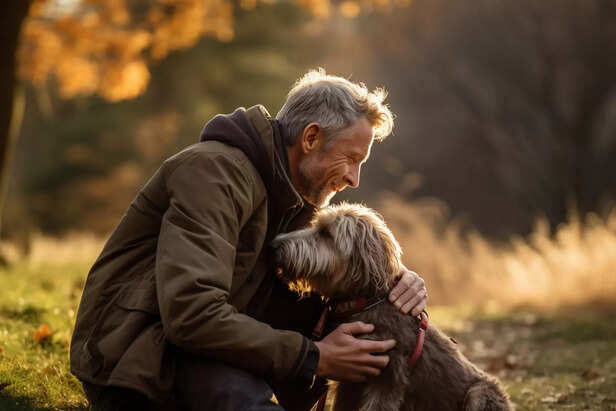
man holding a dog
Image credit : Freepik
Eye contact releases oxytocin in both humans and dogs. This hormone builds trust and reduces stress. A few seconds of gentle eye contact and slow petting in the morning helps your dog feel safe and emotionally connected. This connection stays with them long after you leave the house.
Why Your Dog’s Health Depends On Emotional Safety
Physical health and emotional health are deeply connected. Dogs who feel emotionally secure heal faster, digest better, and age more gracefully. Mornings are where emotional safety is either built or broken. Not every morning will be perfect, and that is okay. Dogs do not need perfection. They need consistency and care. Even on busy days, a few mindful minutes matter more than you realize.
Wake up calmly. Acknowledge your dog with touch and voice. Go for a short, relaxed walk. Allow sniffing and slow movement. Feed after movement. End with affection. This routine supports joints, digestion, mental health, and emotional bonding. Your dog is not asking for more toys or more treats. They are asking for you. Your presence. Your attention. Your calm. Every morning is a silent conversation between you and your dog.
The Long Term Impact of Getting Mornings Right
Dogs who start their day calmly are less anxious, more balanced, and healthier over time. They sleep better, behave better, and age better. Most importantly, they trust more deeply. By slowing down just a little each morning, you protect your dog’s health, strengthen your bond, and give them the emotional security they deserve. Your dog gives you their whole life. The least we can give them is a mindful beginning to every day.
Celebrate the bond with your pets, explore Health & Nutrition, discover Breeds, master Training Tips, Behavior Decoder, and set out on exciting Travel Tails with Times Pets!