
The Emotional Connection Pets Have With Their Favorite Toy
Anushka Tripathi | Jan 31, 2026, 14:00 IST

dogs
Image credit : Pexels
Every pet has that one toy they refuse to part with. Torn, old, and imperfect, yet deeply loved. This article explores the emotional reasons behind how pets choose their favorite toys, from scent and texture to memory and human connection. It reveals how toys become sources of comfort, security, and emotional support for animals. By understanding these choices, pet parents can better respond to their pet’s emotional needs and strengthen the bond built on trust, familiarity, and quiet love.
Walk into any home with a pet, and you will notice something curious. Among the pile of balls, ropes, squeakers, feathers, and plushies, there is always one toy that stands apart. It may be old, torn, missing an eye, or barely recognizable, yet your pet carries it gently, sleeps beside it, or refuses to play without it. To humans, it looks like just another toy. To your pet, it feels like comfort, safety, and familiarity. Understanding how pets choose their favorite toy opens a window into their emotional world and deepens the bond you share with them.
How Play Becomes Personal
For pets, play is not only about burning energy. It is how they explore their environment, express emotions, and feel secure. When a pet plays repeatedly with one toy, it begins to associate that object with positive experiences. The joy of chasing, the calm after chewing, or the warmth of human attention during play slowly transforms a simple toy into something meaningful. Over time, the toy stops being an object and becomes part of the pet’s emotional landscape.
The Role Of Smell In Toy Attachment
A pet’s sense of smell is far more powerful than a human’s. Toys absorb scents from the home, the pet itself, and the humans they love. A toy that smells like safety, comfort, or belonging becomes soothing during moments of stress. This is why pets often prefer old toys over new ones. The worn fabric holds familiar scents that remind them they are safe. Washing a favorite toy sometimes causes distress because it removes the scent that made it comforting in the first place.
Why Texture Matters More Than Appearance
dogs
Image credit : Pexels
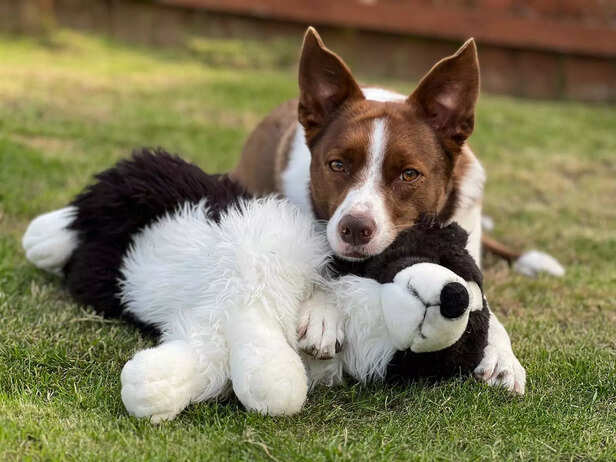
Humans choose toys based on how they look. Pets choose based on how they feel. The texture of a toy plays a huge role in whether it becomes a favorite. Some pets prefer soft toys they can cuddle with. Others like rubber toys that provide resistance when chewed. Cats often enjoy toys that mimic prey textures, while dogs may choose toys that feel satisfying in their jaws. A toy that feels right physically often feels right emotionally too.
Sound And The Emotional Response
Sound can instantly capture a pet’s attention. Squeaks, crinkles, and soft rattles trigger curiosity and excitement. For some pets, the sound mimics prey and activates natural instincts. For others, it becomes a predictable and comforting signal. A squeaky toy that responds the same way every time creates a sense of control. However, not all pets enjoy sound. Some find noisy toys overwhelming and choose silent ones that help them feel calm instead.
The First Toy Memory Effect
The first toy a pet bonds with often holds special significance. Puppies and kittens introduced to a toy during their early weeks may associate it with security and learning. This is especially true for rescue animals. A toy offered during their first safe days in a new home can symbolize comfort and trust. That initial emotional imprint can last for years, making the toy irreplaceable even when newer options are available.
How Human Interaction Shapes Toy Preference
Pets are deeply influenced by their humans. A toy used during bonding moments often becomes a favorite. If a particular toy is involved in playtime, training, or affectionate moments, it carries emotional weight. The toy becomes a reminder of connection. Pets may bring this toy to their humans as a way of seeking interaction or reassurance. In their mind, the toy represents togetherness.
Toys As Emotional Support Objects
french bulldog
Image credit : Freepik
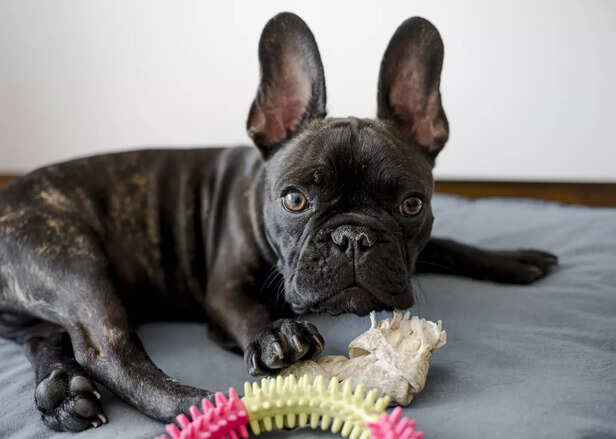
Many pets use toys as emotional anchors. During stressful situations like loud noises, unfamiliar environments, or separation from humans, pets may seek their favorite toy. Chewing, carrying, or sleeping with it helps them self-soothe. This behavior is similar to how children rely on comfort objects. The toy provides stability when the world feels uncertain.
Why Some Pets Treat Toys Like Babies
It is common to see dogs carrying toys gently, licking them, or refusing to let them be damaged. This behavior is rooted in nurturing instincts. Soft toys, especially, can trigger caregiving responses. For some pets, the toy becomes a substitute for companionship or a way to express affection. This does not mean the pet is confused. It means they are emotionally attached and expressing comfort in a natural way.
Destruction Versus Protection Of Toys
Interestingly, pets often destroy some toys while fiercely protecting others. This difference reveals emotional value. Toys meant for chewing and releasing energy may be torn apart without concern. Favorite toys are treated differently. They are carried carefully, hidden, or guarded. Destruction is not always aggression. Protection is not always possession. These behaviors show how pets categorize toys based on emotional meaning.
Why Pets Ignore Expensive Toys
Many pet parents are puzzled when costly toys go untouched while an old sock or cardboard box becomes a favorite. Pets are not impressed by price or brand. They choose what meets their sensory and emotional needs. A simple object that smells familiar or feels satisfying can easily outrank a designer toy. This reminds us that emotional value cannot be bought.
How Routine Strengthens Toy Attachment
Pets thrive on routine. When a toy becomes part of daily rituals like bedtime or quiet time, it gains emotional importance. A dog that sleeps with the same toy every night associates it with rest and safety. A cat that plays with a particular toy before meals links it to comfort and reward. Routine turns objects into emotional constants.
When Toys Reflect A Pet’s Personality
Toy preferences often mirror personality traits. Energetic pets prefer toys that allow movement and chase. Gentle pets choose soft toys for comfort. Independent pets may enjoy puzzle toys that engage their mind. Anxious pets often cling to familiar toys. Observing toy choices gives insight into a pet’s emotional state and needs.
The Impact Of Trauma On Toy Choice
Rescue pets or animals with past trauma may form intense attachments to specific toys. These toys may help them cope with anxiety and build trust in a new environment. Abruptly taking away or replacing such toys can increase stress. Respecting these attachments is an important part of emotional healing.
Why Losing A Favorite Toy Can Cause Distress
When a favorite toy goes missing, pets may search for it, whine, or show changes in behavior. This reaction is not dramatic. It is grief in a simple form. The toy represented security. Losing it feels like losing a source of comfort. Replacing it with a similar toy may help, but sometimes the emotional connection cannot be replicated.
Should You Replace Or Preserve A Favorite Toy
puppy
Image credit : Pexels
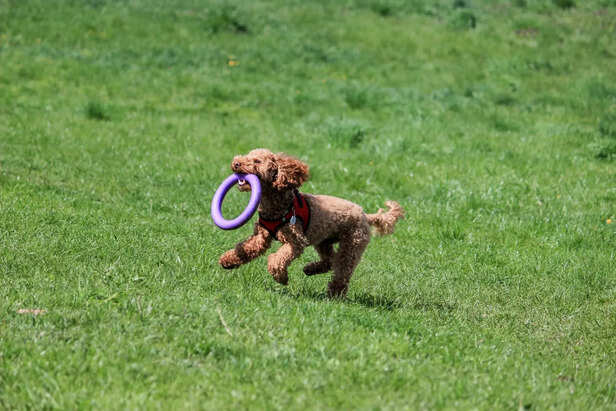
Many pet parents struggle with the decision to replace worn toys. Safety matters, but so does emotional attachment. If a toy is safe but worn, preserving it may be beneficial. If replacement is necessary, introducing a new toy gradually alongside the old one can ease the transition. Respecting emotional bonds while ensuring safety is key.
How To Help Your Pet Choose Better Toys
Understanding your pet’s preferences helps you choose toys they will truly love. Observe how they play, chew, and relax. Notice textures, sounds, and shapes they gravitate toward. Introduce new toys slowly and pair them with positive experiences. Let your pet lead the choice. Their selection tells you more than labels ever will.
Rotating Toys Without Causing Stress
Toy rotation keeps play interesting, but must be done thoughtfully. Removing a favorite toy for long periods can cause anxiety. Instead, keep comfort toys available while rotating activity toys. This maintains emotional security while preventing boredom.
Excessive attachment to a toy can sometimes signal loneliness or anxiety. If a pet relies heavily on a toy and shows distress when separated from it, additional engagement and reassurance may be needed. Toys support emotional health, but should not replace human interaction entirely.
What Favorite Toys Teach Us About Love
A pet’s favorite toy is not about entertainment. It is about trust, memory, and emotional safety. Through toys, pets show us how deeply they feel and how simply they love. They remind us that comfort often comes from familiarity, not perfection. Paying attention to toy choices is an act of empathy. When we respect these preferences, we communicate safety and understanding. This strengthens the human-pet bond and creates a home where pets feel truly seen.
Celebrate the bond with your pets, explore Health & Nutrition, discover Breeds, master Training Tips, Behavior Decoder, and set out on exciting Travel Tails with Times Pets!