Every pet parent has faced it at least once. A room your pet has walked into countless times suddenly becomes forbidden territory. Your dog stops at the doorway, tail stiff, eyes alert. Your cat peers inside, steps back, and walks away. No force, no sound, no visible change. Just refusal. It feels strange because your home is your pet’s world. When a part of that world feels unsafe to them, it triggers worry, curiosity, and sometimes fear. This behavior is not random. It is layered, emotional, and often deeply rooted in how animals perceive their surroundings.
Pets Experience Spaces Differently Than Humans
Humans rely heavily on sight. Pets rely on smell, sound, vibration, and instinct. A room that looks normal to you may feel overwhelming or threatening to your pet. A faint sound inside the walls, a lingering scent, or even a shift in airflow can change how a space feels to them. Pets process environments emotionally before they process them logically. If a room does not feel right, they listen to that feeling.
Scent Memories That Humans Cannot Detect
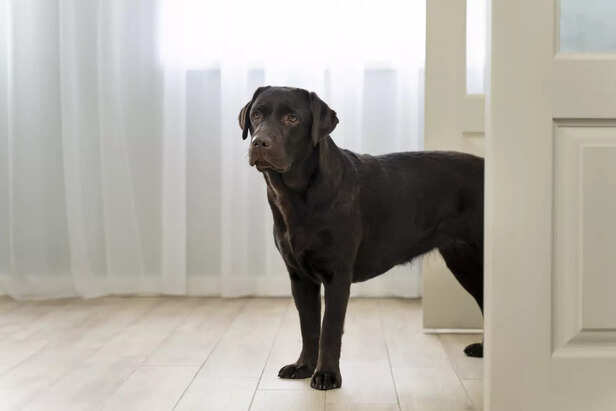
![cute dog]()
cute dog
Image credit : Freepik
Pets have powerful scent memory. A room may carry traces of stress, fear, illness, or conflict that humans no longer notice. If a pet was once scolded, startled, or left alone in that room, the emotional imprint may still exist for them. Dogs and cats remember places through smell, the way humans remember moments through photographs. A room associated with discomfort can remain emotionally charged long after the event has passed.
Sounds Hidden From Human Ears
Pets hear frequencies that humans cannot. Electrical wiring, faulty appliances, water pipes, or nearby construction can create subtle noises that irritate or alarm animals. A buzzing sound behind a wall or a high-frequency hum from an electronic device may be unbearable to your pet. What feels silent to you may feel loud and unsettling to them. Over time, your pet learns to avoid the source of discomfort.
Negative Experiences That Shaped Their Behavior
One bad experience is enough to change a pet’s relationship with a space. Slipping on a floor, being locked in accidentally, encountering a loud noise, or experiencing pain while resting in a room can create lasting fear. Pets do not rationalize fear away. They remember it in their bodies. Avoidance becomes a way of protecting themselves.
Changes Humans Often Overlook
Sometimes the room has changed more than you realize. New furniture, new lighting, a new scent, or even a rearranged layout can feel unfamiliar to pets. Animals rely on spatial consistency. When a room changes suddenly, it may no longer feel safe or recognizable. Cats, especially, are sensitive to environmental shifts. What feels like a small change to you can feel like a complete transformation to them.
Illness And Physical Discomfort
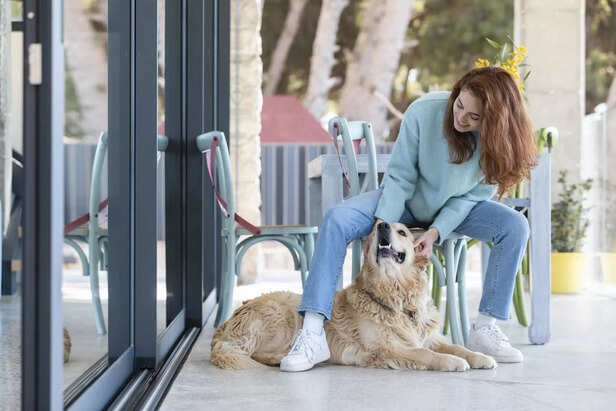
![woman petting dog]()
woman petting dog
Image credit : Freepik
Pets in pain may avoid rooms where movement feels difficult. Slippery floors, stairs, or tight spaces can increase discomfort in animals with joint pain, arthritis, or muscle stiffness. Your pet may associate a room with physical strain even if they once loved it. Avoidance becomes a silent signal that something may not feel right in their body.
Temperature And Airflow Sensitivity
Some rooms are colder, warmer, or draftier than others. Pets are sensitive to temperature changes. A room that traps heat or allows cold air to settle may feel uncomfortable. Dogs with thick coats may avoid warm rooms. Cats may avoid spaces where the air feels stale or too strong. Comfort plays a larger role than we often realize.
Energy And Emotional Atmosphere
Pets are highly attuned to human emotions. Rooms where arguments occurred, stress accumulated, or sadness lingered may feel emotionally heavy to them. Animals cannot separate space from emotion. If a room consistently carries tense energy, pets may instinctively avoid it. This does not mean anything supernatural. It simply reflects how deeply animals absorb emotional environments.
Fear Of Being Trapped Or Cornered
Pets need escape routes to feel safe. A room with closed doors, limited exits, or narrow spaces may trigger anxiety. This is especially true for rescue animals or pets with a history of confinement. Even if nothing bad happens in the room, the lack of control over movement can create discomfort.
Why Cats And Dogs React Differently
Cats are territorial and sensitive to environmental changes. They prefer predictable, calm spaces. Dogs are more socially oriented and may tolerate discomfort longer, but avoid spaces that feel threatening. Understanding species-specific behavior helps decode their reactions. A cat refusing a room may be expressing anxiety. A dog refusing may be expressing alertness or fear.
The Role Of Instinct And Survival Memory
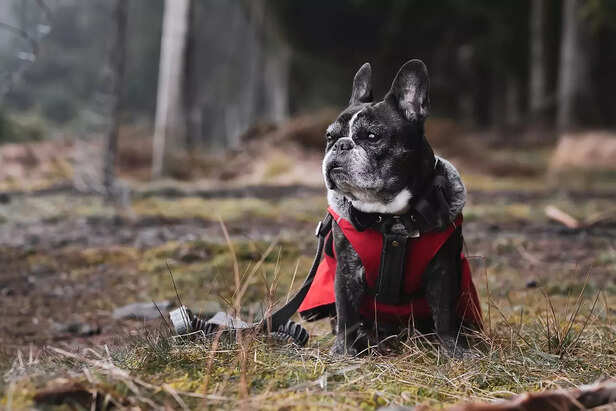
![french bulldog]()
french bulldog
Image credit : Freepik
Animals evolved to avoid danger long before they evolved to trust humans. If a space triggers even a small sense of threat, instinct takes over. Pets trust their instincts without hesitation. Their refusal is not defiance. It is self-preservation.
Why Forcing Them Makes It Worse
Dragging or carrying a pet into a room they fear only reinforces negative associations. Forced exposure can increase anxiety and damage trust. Pets learn that their discomfort is ignored. Over time, this can lead to behavioral issues such as aggression, withdrawal, or heightened fear responses.
How To Observe Without Judging
The first step is observation. Notice where your pet stops. Watch their body language. Flattened ears, stiff posture, tucked tail, or hesitation are communication. Instead of correcting the behavior, try understanding it. Your pet is telling you something without words.
Gentle Ways To Help Them Feel Safe Again
Start by making the room neutral. Open doors to allow choice. Add familiar bedding or toys with comforting scents. Spend calm, positive time near the room without forcing entry. Use treats or gentle encouragement to build positive associations slowly. Safety comes from patience, not pressure.
When Avoidance Signals A Deeper Issue
Sudden and intense avoidance can sometimes signal neurological issues, sensory decline, or pain. If your pet shows fear in multiple spaces or displays changes in appetite, movement, or mood, a veterinary check is important. Behavior is often the first sign that something inside the body has shifted.
Respecting Boundaries As A Form Of Love
Pets do not avoid rooms to challenge authority. They do it to protect themselves. Respecting their boundaries strengthens trust. When pets feel heard, they become more confident and secure. A home where a pet feels safe is more important than a home where every room is accessible.
What This Behavior Teaches Us About Our Pets
Room avoidance reminds us that pets experience the world on a deeper sensory level. It teaches us humility. We may own the space, but we share it with beings who feel it differently. Listening to them makes us better caregivers.
Why This Is More Common Than We Think
As modern homes become filled with electronics, artificial scents, and constant noise, pets face more sensory overload than ever before. Avoidance is not strange. It is adaptive. It is the body choosing peace over stress.
Creating A Pet Sensitive Home
Pay attention to lighting, sound, scent, and layout. Give pets control over where they go. Allow safe zones. Let comfort guide design. A home that feels safe to pets feels calmer to humans too.
The Emotional Bond Hidden In Small Behaviors
When a pet avoids a room, they are not rejecting your home. They are asking for understanding. When you respond with patience, you strengthen an invisible bond. Trust grows quietly in these moments.
Listening To What They Cannot Say
Pets communicate through behavior because they have no language. Refusing a room is a message. It asks you to look closer, feel deeper, and respond kinder. These moments remind us that love is not just affection. It is attention.
Sometimes The Door Is Closed For A Reason
Not every mystery needs to be solved by force. Sometimes, the closed door is simply a boundary your pet needs. When we stop insisting and start listening, we learn more about our pets and ourselves. A home becomes truly loving not when every door is open, but when every feeling is respected.
Celebrate the bond with your pets, explore
Health & Nutrition, discover
Breeds, master
Training Tips,
Behavior Decoder, and set out on exciting
Travel Tails with
Times Pets!