
Snuggles and Sleep? The Pros and Cons of Sleeping With Your Cat
Upasna Yadav | Feb 19, 2026, 09:00 IST

Peaceful Bond Between Cat and Owner
According to national surveys, nearly half of all pet owners share their beds with animals. There’s a deep comfort in curling up with a furry companion at the end of a long day. But science tells us this comes with a very real trade-off: good sleep quality is often what’s sacrificed. Pets bring dander and allergens into the sleep environment, which can disrupt rest for everyone, not just allergy sufferers.
Highlights
1. There’s a reason for this deep attachment. The bond we share with our animals is uniquely powerful and especially pronounced when night falls.
2. As historian describes, nighttime has always left humans vulnerable, and our drive for connection and safety is hardwired. Even today, our pets fill that hardwired psychological need. They are not just buddies, but family, protectors, and living symbols of comfort.
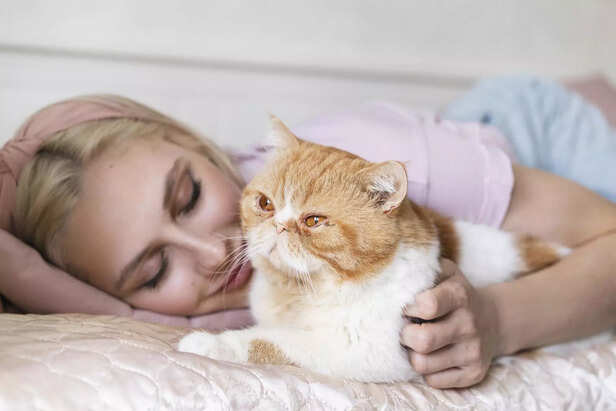
3. If your cat does choose to sleep with you all night long, that’s a sign that it definitely trusts you and is attached enough that it feels comfortable sleeping near you which is a vulnerable state to be in for a cat.
2. As historian describes, nighttime has always left humans vulnerable, and our drive for connection and safety is hardwired. Even today, our pets fill that hardwired psychological need. They are not just buddies, but family, protectors, and living symbols of comfort.
3. If your cat does choose to sleep with you all night long, that’s a sign that it definitely trusts you and is attached enough that it feels comfortable sleeping near you which is a vulnerable state to be in for a cat.
What to consider when cuddling with a cat ?
Clean and Healthy Cat Sleeping Indoors
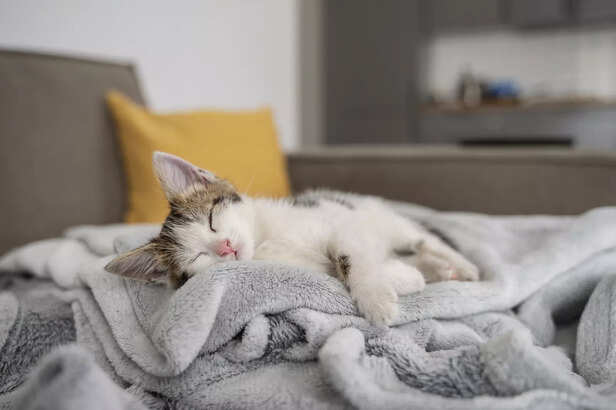
While a cat’s independent nature may make it seem like it will do whatever it wants, many of our furry family members do like a cuddle. However, there are a few things to consider before we do that. The first, again is the relatively low risk of disease transmission. One way to help mitigate that is to talk with your human doctors, including pediatricians. “Adults and children with a compromised immune system due to certain human diseases may be at a higher risk for contracting diseases from animals". But, no matter your health status, there are some surefire signs that the cat should be left alone because it may be having its own health issues. “Do not snuggle up to your furry friend if they are showing any signs of illness such as hair loss, skin rashes, sneezing, coughing, lethargy, vomiting, or diarrhea, to name a few,” she said.
Indoor vs. outdoor cats
Pros of sleeping with your cat
Benefits of sleeping with a cat
Let’s start things off on a positive note, shall we? Here are the main reasons why so many of us choose to let our pets share our bed at night on a regular basis.
1. It can reduce stress and anxiety
2. It strengthens your bond
3. Warmth and comfort
4. It might help you sleep better
The cons of sleeping with your cat

Drawbacks of Cat Sleeping in Bed
1. It can disturb your sleep
2. Allergies and hygiene considerations
3. It can lead to behavioral issues
4. Less space for you
Celebrate the bond with your pets, explore Health & Nutrition, discover Breeds, master Training Tips, Behavior Decoder, and set out on exciting Travel Tails with Times Pets!
Frequently asked questions (FAQs)
- Is it safe sleep with your cat ?
Yes, it is generally safe for healthy adults if the cat is vaccinated, dewormed, and kept clean. However, people with allergies, asthma, or weak immunity should be cautious. - What are the benefits of sleeping with your cat ?
Sleeping with your cat can reduce stress, provide emotional comfort, improve bonding, and help some people feel more secure and relaxed at night. - Can sleeping with a cat disturb your sleep ?
Yes, cats are naturally nocturnal and may move, purr loudly, or wake you during the night, which can disturb sleep quality. - Should children sleep with cats ?
Children can sleep with cats under supervision, but it is better to ensure the cat is gentle, healthy, and clean. Extra care is needed to prevent scratches or allergies.