
Snakes That Defend Themselves in the Most Unbelievable Ways
Anushka Tripathi | Feb 12, 2026, 16:53 IST

snake
Image credit : Freepik
Snakes are often misunderstood as aggressive creatures, but most of their actions are rooted in survival, not attack. This article explores the fascinating and sometimes dramatic defensive behaviors snakes use when they feel threatened, from playing dead and mimicking venomous species to rattling, hissing, freezing into camouflage, and even spitting venom. By understanding these behaviors, we learn that snakes communicate fear, not hostility. The piece invites readers to replace panic with empathy and see snakes as intelligent, adaptive survivors essential to nature’s balance.
Snakes have been feared, worshipped, misunderstood, and hunted for centuries. For most people, a snake encounter triggers panic even before understanding. But what we often forget is that snakes do not wake up wanting to attack humans. They wake up wanting to survive. Every hiss, coil, rattle, color display, and sudden movement is not aggression but communication. Defensive behavior is a language snakes use when they feel threatened, cornered, or misunderstood. Some snakes flee quietly. Others put on performances so dramatic that predators think twice. These behaviors are not random. They are refined survival strategies shaped by millions of years of evolution.
Why Snakes Rely On Defense Instead Of Attack
Unlike predators that chase or overpower prey, most snakes are physically vulnerable. They have no legs to escape quickly, no claws to fight back, and many are fragile despite their reputation. Venom itself is costly to produce and is primarily meant for hunting, not defense. When faced with danger, snakes prefer intimidation, deception, or confusion over confrontation. Their defensive behaviors are energy efficient, non-lethal, and often brilliantly theatrical. Understanding these behaviors changes how we see snakes, not as monsters but as intelligent survivors responding to fear, much like we do.
The Art Of Playing Dead
One of the most fascinating defensive behaviors in the snake world is death feigning. The Eastern Hognose Snake is a master of this act. When threatened, it does not immediately give up. First, it spreads its neck like a cobra, hisses loudly, and strikes with a closed mouth. If this drama fails, it escalates to its final performance. The snake flips onto its back, mouth open, tongue hanging out, and releases a foul-smelling secretion. It lies completely motionless, convincing predators it is already dead. If someone flips it back over, it dramatically rolls onto its back again, fully committed to the role. This behavior works because many predators avoid dead animals that might carry disease. It is not a weakness. It is intelligence in action.
Sound As A Shield
Sound is one of the most effective tools in snake defense. The rattlesnake’s rattle is one of nature’s most iconic warning systems. Each segment of the rattle tells a story of survival and growth. When shaken, it produces a buzzing sound that triggers an instinctive fear response in many animals, including humans. The brilliance lies in the warning itself. The rattlesnake announces its presence instead of striking silently. This reduces unnecessary conflict and helps the snake conserve venom. Interestingly, young rattlesnakes rattle just as confidently as adults, showing that this defense is instinctive, not learned. Sound becomes a boundary, saying do not come closer.
Mimicry That Saves Lives
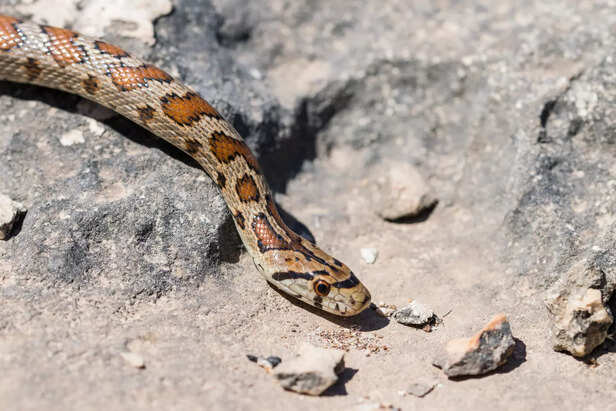
european ratsnake
Image credit : Freepik
Some snakes survive by pretending to be someone they are not. The scarlet kingsnake is non-venomous but wears the same red, black, and yellow bands as the highly venomous coral snake. Predators that have learned to fear coral snakes also avoid kingsnakes. This is known as Batesian mimicry, where a harmless species copies a dangerous one. Even humans rely on simple rhymes to distinguish them, yet predators often avoid making that mistake. Mimicry is not deception for harm but a borrowed reputation that offers protection. It shows how survival can depend not on strength but on perception.
When The Body Becomes A Weapon
Some snakes rely on physical display to intimidate predators. The cobra’s hood is one of the most striking examples. When threatened, cobras raise the front of their body and spread their ribs to form a hood that makes them appear larger and more dangerous. This posture is often accompanied by loud hissing. The goal is not to attack but to convince the threat to retreat. Similarly, the puff adder inflates its body and releases a loud, explosive hiss, startling predators into backing away. These displays tap into primal fear responses, using size and sound to dominate the moment.
The Illusion Of Venom
Not all snakes that look dangerous actually are. Some non-venomous snakes flatten their heads, coil their bodies, and strike rapidly to imitate venomous species. The false cobra and certain rat snakes use this tactic effectively. Predators rarely have time to analyze details in a threatening situation. The illusion alone can be enough to stop an attack. This behavior reminds us that fear itself can be a defense, even without actual weapons.
Blood, But Not From Injury
Perhaps one of the most shocking defensive behaviors belongs to the Texas horned lizard’s reptile cousin, but snakes have their own version of startling displays. Some species can release blood from their mouth or cloaca when under extreme stress. This blood is often mixed with chemicals that taste foul or smell unpleasant. Predators that bite or bite the snake are quickly repelled. It is a last resort defense that sacrifices comfort for survival. The message is clear. This meal is not worth it.
Spitting Venom With Precision
Spitting cobras take defense to another level. Instead of biting, they aim venom directly at the eyes of a threat from several feet away. This venom causes intense pain and temporary blindness. The snake does not need to make physical contact, reducing risk to itself. This behavior is purely defensive and used when escape is not possible. It shows remarkable accuracy and control. The venom is not meant to kill in this case, but to disable just enough to allow escape.
Freezing Into Invisibility
Sometimes the best defense is stillness. Many snakes rely on camouflage and freezing behavior when they sense danger. Their patterned scales blend seamlessly into leaves, sand, or rocks. By remaining completely motionless, they avoid detection. This defense requires patience and trust in invisibility. Predators that rely on movement to detect prey often pass right by. This silent strategy works because not every defense needs to be loud or dramatic. Sometimes survival depends on becoming unseen.
Tail Tricks And Distractions
Some snakes use their tails as decoys. The red tail boa and certain vipers twitch or wave their tails to distract predators away from their heads. If attacked, losing part of the tail is far less dangerous than a head injury. This misdirection buys precious seconds. Other snakes vibrate their tails against dry leaves to mimic the sound of a rattlesnake, even though they do not have a rattle. It is another example of borrowed fear used cleverly.
Why Snakes Rarely Want To Bite Humans
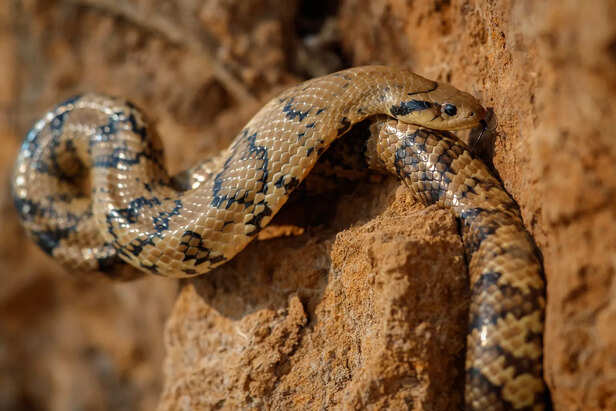
wild snake
Image credit : Freepik
Despite popular belief, most snake bites happen when humans accidentally step on, grab, or threaten a snake. Biting is a last resort. Defensive behaviors are warnings meant to prevent escalation. When we ignore these signals, snakes have little choice. Understanding these behaviors helps reduce fear and prevent unnecessary harm on both sides. Snakes are not villains. They are cautious creatures reacting to perceived danger.
The Emotional Truth Behind These Behaviors
Every defensive display is rooted in fear. Snakes feel stress, threat, and urgency. Their responses are not malicious but instinctive. When a snake flattens its body or plays dead, it is saying I want to live. This emotional truth connects us to them more than we realize. Fear drives survival across all species. Snakes simply express it differently.
Coexisting With Nature’s Quiet Survivors
Learning about snake defensive behaviors teaches us more than biology. It teaches empathy. When we understand why snakes act the way they do, fear turns into respect. Respect leads to coexistence. Snakes play a vital role in ecosystems by controlling pests and maintaining balance. Protecting them begins with understanding them. Their defenses are not threats but stories of survival written into their bodies.
Celebrate the bond with your pets, explore Health & Nutrition, discover Breeds, master Training Tips, Behavior Decoder, and set out on exciting Travel Tails with Times Pets!