
Should Every Classroom Have a Pet? Pros, Cons and Cute Moments
Tanisha Kumari | Sept 05, 2025, 10:00 IST

Pets in classroom
Image credit : Unsplash
Classroom pets bring joy, teach responsibility, and create lasting memories for students. From fish to guinea pigs, each pet offers unique lessons and challenges. Here it explores the pros and cons of classroom pets, the cutest moments and the best animals for schools to consider when deciding if every classroom should welcome a furry or scaly friend.
Having pets in classrooms is an idea many teachers think about. Children love animals, and the thought of having a rabbit or fish nearby while studying can feel exciting. At the same time, classroom pets can be hard to manage if not planned well. The big question is this: should every classroom really have one?
When kids learn with a pet around, they often feel happier and also learn to care for another living being with love and patience. A classroom pet can teach kindness, empathy and responsibility in a way no book can explain. Teachers also notice that children get calmer when they have animals nearby and a shy child finds it easier to open up to classmates when they are talking about the pet.
But there are challenges too as pets need food, care and a clean space. If someone forgets the pet’s needs then the animal can get sick. Some children may also have allergies or fears which can turn the cute classroom friend into a problem. This is why choosing the right type of pet makes a big difference.
The Best Small Pets for Classrooms
![Hamster in Classroom]()
Fish are one of the easiest pets to keep in a classroom. Goldfish and Betta fish are most common. Goldfish need a tank filled with clean water and food every day but they do not need much handling. Betta fish are colorful and simple to care for and they do not need a big tank but they do need clean water and attention from students who promise to take responsibility. Watching fish swim can also help children feel calm and focused.
Guinea pigs with their soft fur and gentle nature are another classroom favorite. They love to squeak when they are happy, and kids enjoy feeding them vegetables. Guinea pigs need a cage, clean bedding and fresh food so they require more care than fish but at the same time they are friendly and easy for children to bond with.
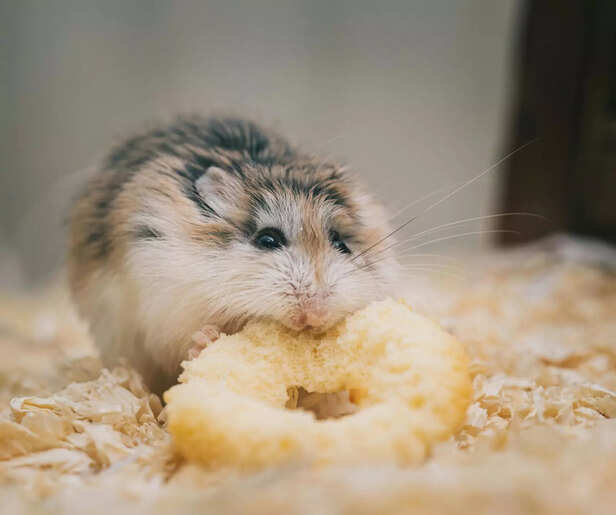
Hamsters are tiny and cute making them popular in smaller classrooms. They love tunnels and wheels and students often enjoy watching them play. Unlike guinea pigs hamsters are more independent as they do not always like being handled and they are usually more active at night than during the day. This can make them less interactive during class time but still a fun observation.
Pets That Teach Lessons and Bring Smiles
![Turtle in classroom]()
Rabbits are also considered in some schools as they are larger than guinea pigs and need more space to hop around. Rabbits are social and can grow close to children if handled gently but they also need time outside their cage and regular grooming. They are better for classrooms where teachers are ready to give a little extra care.
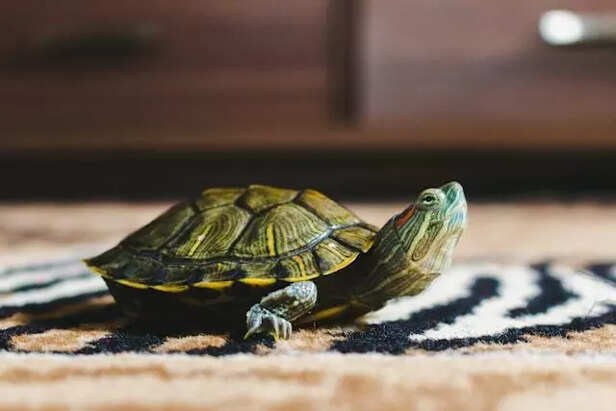
Turtles are slow but steady pets that children often find fascinating because they live longer and remind kids about patience and responsibility. A turtle can spend many years in the same classroom becoming part of the school’s history but they do need special lighting, a water area and proper food. Caring for turtles helps children learn that patience and long-term effort matter.
Birds such as parakeets are colorful and very engaging as they can chirp happily and sometimes even mimic words. For classrooms, parakeets add music and energy but they do need a cage with toys, fresh food and water. Birds can also be more easily startled so they fit best in a quiet classroom.
The Cute Moments Every Teacher Loves
![Mental development]()
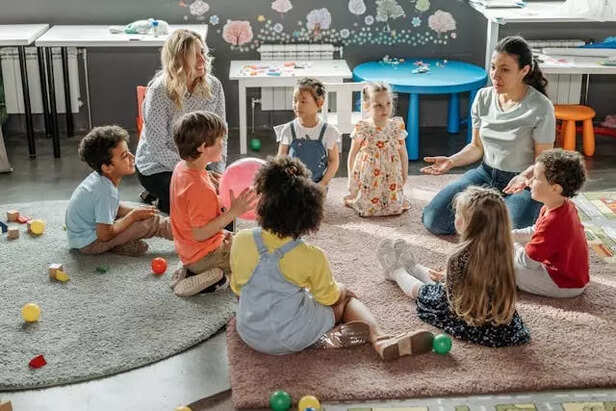
One of the sweetest parts of having a classroom pet is seeing how children bond with them because when a rabbit hops across the class floor students laugh and cheer together. When guinea pigs squeak for food the whole class rushes to help feed them and even silent creatures like fish can create moments of peace as children watch them swim.
These experiences often become lasting memories. Students may even remember their classroom pet years later after they have forgotten some of their lessons. Pets become small companions that comfort them during tests, busy schedules and sometimes even during homesickness. These emotional moments are what make the idea of classroom pets so special.
But while these cute moments bring joy, the commitment behind them cannot be ignored. Teachers often carry the main responsibility. The joy of pets must always be balanced with careful planning, respect for the animal, and care from the entire class community.
So should every classroom have a pet? The answer depends on the school, the teacher and the students as pets can bring happiness and teach responsibility but they need time, attention and love. All these animals bring something special while teaching children important life lessons and what matters the most is that the animal is cared for with kindness. A classroom pet should always be about creating joy, learning respect for life and making the school feel a little more like home.
Discover expert advice and the latest tips on pet care, training, health, and more. Stay updated with all things pets at Times Pets!
Frequently Asked Questions (FAQs)
When kids learn with a pet around, they often feel happier and also learn to care for another living being with love and patience. A classroom pet can teach kindness, empathy and responsibility in a way no book can explain. Teachers also notice that children get calmer when they have animals nearby and a shy child finds it easier to open up to classmates when they are talking about the pet.
But there are challenges too as pets need food, care and a clean space. If someone forgets the pet’s needs then the animal can get sick. Some children may also have allergies or fears which can turn the cute classroom friend into a problem. This is why choosing the right type of pet makes a big difference.
The Best Small Pets for Classrooms
Hamster in Classroom
Image credit : Pexels
Fish are one of the easiest pets to keep in a classroom. Goldfish and Betta fish are most common. Goldfish need a tank filled with clean water and food every day but they do not need much handling. Betta fish are colorful and simple to care for and they do not need a big tank but they do need clean water and attention from students who promise to take responsibility. Watching fish swim can also help children feel calm and focused.
Guinea pigs with their soft fur and gentle nature are another classroom favorite. They love to squeak when they are happy, and kids enjoy feeding them vegetables. Guinea pigs need a cage, clean bedding and fresh food so they require more care than fish but at the same time they are friendly and easy for children to bond with.
Hamsters are tiny and cute making them popular in smaller classrooms. They love tunnels and wheels and students often enjoy watching them play. Unlike guinea pigs hamsters are more independent as they do not always like being handled and they are usually more active at night than during the day. This can make them less interactive during class time but still a fun observation.
Pets That Teach Lessons and Bring Smiles
Turtle in classroom
Image credit : Unsplash
Rabbits are also considered in some schools as they are larger than guinea pigs and need more space to hop around. Rabbits are social and can grow close to children if handled gently but they also need time outside their cage and regular grooming. They are better for classrooms where teachers are ready to give a little extra care.
Turtles are slow but steady pets that children often find fascinating because they live longer and remind kids about patience and responsibility. A turtle can spend many years in the same classroom becoming part of the school’s history but they do need special lighting, a water area and proper food. Caring for turtles helps children learn that patience and long-term effort matter.
Birds such as parakeets are colorful and very engaging as they can chirp happily and sometimes even mimic words. For classrooms, parakeets add music and energy but they do need a cage with toys, fresh food and water. Birds can also be more easily startled so they fit best in a quiet classroom.
The Cute Moments Every Teacher Loves
Mental development
Image credit : Pexels
One of the sweetest parts of having a classroom pet is seeing how children bond with them because when a rabbit hops across the class floor students laugh and cheer together. When guinea pigs squeak for food the whole class rushes to help feed them and even silent creatures like fish can create moments of peace as children watch them swim.
These experiences often become lasting memories. Students may even remember their classroom pet years later after they have forgotten some of their lessons. Pets become small companions that comfort them during tests, busy schedules and sometimes even during homesickness. These emotional moments are what make the idea of classroom pets so special.
But while these cute moments bring joy, the commitment behind them cannot be ignored. Teachers often carry the main responsibility. The joy of pets must always be balanced with careful planning, respect for the animal, and care from the entire class community.
So should every classroom have a pet? The answer depends on the school, the teacher and the students as pets can bring happiness and teach responsibility but they need time, attention and love. All these animals bring something special while teaching children important life lessons and what matters the most is that the animal is cared for with kindness. A classroom pet should always be about creating joy, learning respect for life and making the school feel a little more like home.
Discover expert advice and the latest tips on pet care, training, health, and more. Stay updated with all things pets at Times Pets!
Frequently Asked Questions (FAQs)
- Are pet owners happier?
Interacting with animals has been shown to decrease levels of cortisol and lower blood pressure. - Are dogs of any help with ADHD?
People with ADHD can find socialising difficult, especially if they already feel isolated by their condition but having a dog with them helps to make social situations easier to deal with. - Do classroom pets help kids' learning?
Yes, classroom pets can improve learning by keeping children interested and focused