
Pet Cameras & GPS: Smart Safety or Stress Trigger?
Anushka Tripathi | Feb 03, 2026, 12:00 IST

dog
Image credit : Freepik
Pet cameras and GPS collars have become common tools in modern pet parenting, promising safety and peace of mind. But do they truly help pets, or do they increase anxiety for pet parents? This article explores when pet tech is genuinely useful and when it turns into overdependence. From understanding pet behavior to recognizing emotional triggers in humans, it helps pet parents strike the right balance between care and control, ensuring technology supports love rather than replacing trust and routine.
Pet parenting today looks very different from what it was a decade ago. We no longer just leave a bowl of food, lock the door, and head out. We check. We worry. We think. And somewhere between love and concern, technology has quietly entered our homes and our hearts. Pet cameras watching every movement and GPS collars tracking every step promise peace of mind. But an honest question needs to be asked. Are these devices truly useful for pets or are they slowly feeding our anxiety as pet parents.
This question does not come from doubt. It comes from care. Because loving a pet also means knowing when to hold on and when to let go. Let us talk about this honestly, emotionally, and without judgment.
Why Pet Parents Are Turning To Technology
Pets today are family. They sleep on our beds, wait for us by the door, and sense our moods even before we speak. With that deep bond comes a deep fear. What if something happens when I am not around? What if they escape? What if they are lonely? What if they are unsafe?
Urban lifestyles have made this worry stronger. Smaller homes. Longer work hours. More traffic. More noise. Fewer open spaces. Pet cameras and GPS collars promise control in an uncontrollable world. They promise visibility when we are absent. And for many pet parents, that promise feels comforting.
What Pet Cameras Actually Do
Pet cameras allow you to watch your pet remotely. Some offer two-way audio so you can speak to your pet. Some dispense treats. Others send alerts when your pet moves or makes noise.
At their best, pet cameras help you understand your pet’s routine. You notice when they nap, when they pace, and when they become restless. For new pet parents or those with adopted pets, this insight can be valuable. But pet cameras are not just tools. They are emotional mirrors.
When Pet Cameras Become Helpful
dog
Image credit : Pexels
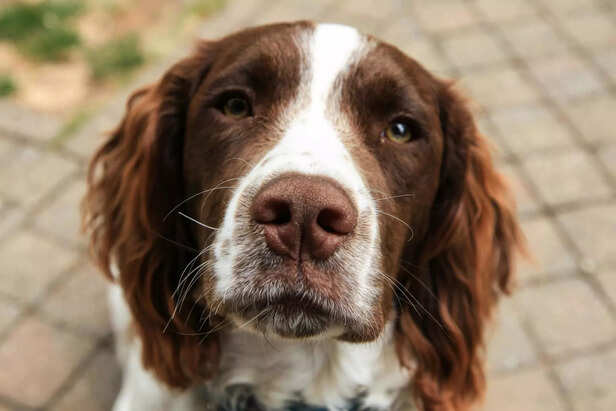
Pet cameras can be genuinely useful in certain situations. If your pet has separation anxiety, a camera can help you observe triggers. You might notice that your pet starts pacing at a specific time or reacts strongly to outside noise. This information can help a trainer or vet guide you better. For senior pets or pets with health conditions, cameras allow monitoring without constant physical presence. You can check if they are resting comfortably or moving normally. For pets recovering from illness or surgery, visual monitoring offers reassurance without disturbing their healing. In these cases, pet cameras support care rather than replace it.
When Pet Cameras Start Feeding Anxiety
The problem begins when watching turns into constant checking. When every small movement becomes a reason to worry. When you refresh the app again and again, just to make sure your pet is still there. Pets sleep a lot. They stretch. They change positions. They stare into space. Watching this too closely without context can create unnecessary fear. A yawn feels like lethargy. A nap feels like an illness. Silence feels like danger. Instead of reducing anxiety, the camera sometimes amplifies it. Your pet might be perfectly fine, but your mind keeps searching for problems.
Do Pets Feel Comforted By Cameras
Pets do not understand cameras. Hearing your voice through a speaker can confuse them. Some pets get comforted. Others become anxious because they hear you but cannot see you. If your pet responds calmly to your voice, two-way audio may help. But if they look around, bark, whine, or seem distressed, it may do more harm than good. Technology should never replace presence. It should never replace training, routine, and emotional bonding.
What GPS Collars Are Designed For
GPS collars track your pet’s location in real time. They are often marketed as essential safety tools. And in some cases, they truly are. For pets who have a history of escaping, GPS collars can be life-saving. For dogs that accompany owners on hikes or outdoor adventures, tracking offers safety in unfamiliar terrain. For pets living in areas with open gates, traffic, or poor fencing, GPS tracking can add an extra layer of protection. These are real risks. And GPS collars can address them.
When GPS Collars Make Sense
If your dog is an escape artist, a GPS collar is not anxiety. It is preparation. If your pet travels with you often, especially to new places, tracking helps in case of accidents. If you live in an area where pets going missing is common, a GPS collar can increase the chances of recovery. In these situations, GPS collars are not about fear. They are about responsibility.
When GPS Collars Turn Into Overdependence
pet
Image credit : Freepik
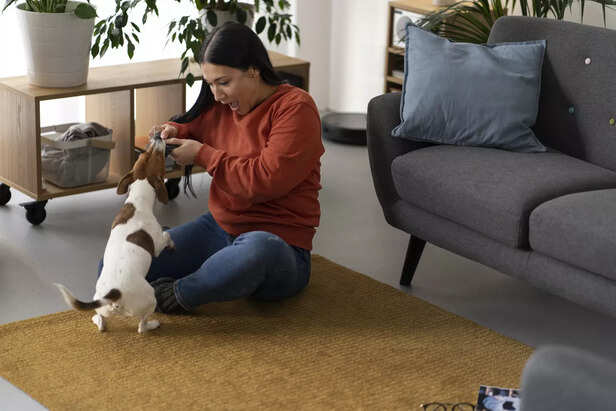
Problems arise when GPS collars replace training and supervision. If a pet regularly escapes, the real issue may be poor fencing, lack of stimulation, or anxiety. A collar alone will not fix that. Constantly tracking your pet’s every movement can also limit their freedom. Pets need safe exploration. They need sniffing, walking, and mental engagement. If every deviation creates panic, the collar is no longer a safety tool. It becomes a leash for the pet parent’s mind.
The Emotional Side Of Pet Parent Anxiety
Pet anxiety does not come from weakness. It comes from love. We worry because pets cannot tell us when something is wrong. We worry because they depend on us completely. We worry because loss feels unbearable. Technology taps into this vulnerability. It promises certainty where none truly exists. But control is not the same as care. True care means understanding your pet’s needs, patterns, and limits. It means trusting the bond you have built.
Signs Technology Is Helping You
Technology is helpful if it gives you clarity, not constant fear.
- You check the camera occasionally, not obsessively.
- You use GPS as backup, not the primary solution.
- You feel calmer, not more restless.
- You notice patterns instead of imagining problems.
If technology supports informed decisions and reduces stress, it is serving its purpose.
Signs Technology Is Increasing Anxiety
- It may be time to reassess if you feel compelled to check constantly.
- If you panic over normal pet behaviour.
- If you feel more anxious at work because you keep watching.
- If you struggle to be present because your mind is always checking on your pet.
In such cases, the issue is not the device. It is emotional overload.
Using Pet Tech Mindfully
Before investing in any device, ask yourself why you want it.
- Is it because your pet has a real risk or need?
- Is it because you are going through a phase of anxiety?
- Is it solving a problem or creating a new one?
Use technology as a tool, not a crutch. Set boundaries for yourself just as you set boundaries for your pet. Check the camera at specific times. Turn off unnecessary alerts. Use GPS only when needed. Mindful use protects both you and your pet.
The Balance Between Care And Control
Being a good pet parent does not mean watching every second. It means preparing your pet to feel safe even when you are not around. Confidence in your pet comes from consistency. From training. From understanding their personality. Some pets are independent. Some are sensitive. Some need monitoring. Some need space. There is no one right answer.
Final Thought
Pet cameras and GPS collars are not good or bad. They are neutral. Their impact depends on how and why they are used. If they help you care better, understand deeper, and worry less, they are valuable.
If they make you anxious, restless, and fearful, it may be time to pause. Love is not measured by how closely you watch. It is measured by how safely your pet can live even when you are not looking. Sometimes, the most loving thing a pet parent can do is trust the bond they have built.
Celebrate the bond with your pets, explore Health & Nutrition, discover Breeds, master Training Tips, Behavior Decoder, and set out on exciting Travel Tails with Times Pets!