
Night Zoomies in Cats: Instinct or Energy Burst
Upasna Yadav | Mar 31, 2026, 08:00 IST

The Nocturnal Hunter Awakens
If you’re a cat owner, you may have experienced those sudden bursts of energy your cat gets, usually in the middle of the night. These “zoomies” can seem out of place and certainly out of time! So, why do cats get the zoomies at night? Cats often get the zoomies to exert pent-up energy that they have from sleeping all day. Additionally, since cats are nocturnal, their natural instincts are to hunt during the night, which is another reason why your get will get more energetic after the sun goes down.
Highlights
1. Cats get the zoomies to release pent-up energy, express natural hunting instincts, or respond to environmental or physical triggers—and in most cases, this behavior is completely normal.
2. If you’ve ever watched your cat suddenly sprint down the hallway, ricochet off the couch, and skid across hardwood floors, you’ve witnessed a classic case of cat zoomies. But what exactly is happening—and when should you be concerned?
3. Cat zoomies are called frenetic random activity periods (FRAPs). They’re a normal way for cats to release energy and express instinctive behaviors. Zoomies often happen at dawn or dusk because cats are crepuscular Post-litter box zoomies may be linked to nerve stimulation and relief.
2. If you’ve ever watched your cat suddenly sprint down the hallway, ricochet off the couch, and skid across hardwood floors, you’ve witnessed a classic case of cat zoomies. But what exactly is happening—and when should you be concerned?
3. Cat zoomies are called frenetic random activity periods (FRAPs). They’re a normal way for cats to release energy and express instinctive behaviors. Zoomies often happen at dawn or dusk because cats are crepuscular Post-litter box zoomies may be linked to nerve stimulation and relief.
What Are Cat Zoomies?
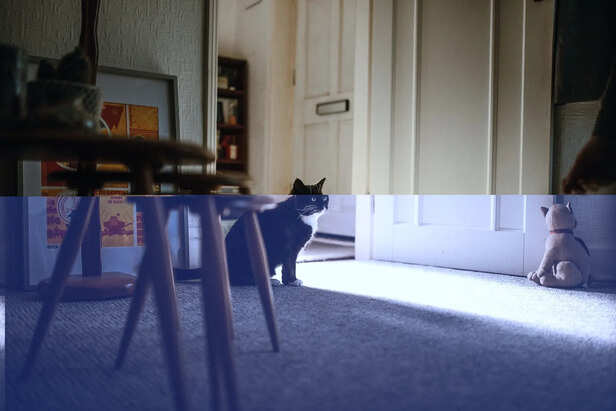
Energy Burst Before Bedtime
The term “zoomies” is used to describe those sudden bursts of energy seen in cats (and dogs, too). This energy often manifests as running, jumping, or pouncing at high speed, usually for no apparent reason. In reality, zoomies are a form of instinctual play behavior. They serve as an outlet for pent-up energy and satisfy your cat’s predatory instincts.
Why Do Cats Get The Zoomies?
There are a variety of factors contributing to your cat’s zoomies. A feline’s need for socialization to their natural nocturnal instincts can all play a role into why cat’s get the zoomies at night.
Socialization
Nocturnal Creatures

Silent Paws, Sudden Sprint
Cats are crepuscular animals, meaning they are most active during dawn and dusk. This behavior can be traced back to their wild ancestors, who hunted during these times to take advantage of cooler temperatures and the movement of prey. While domestic cats no longer need to hunt for their meals, they’ve retained these instinctual patterns of activity. However, many indoor cats adjust their schedule to match their human’s, becoming more active during the day and resting at night. Despite this, some cats still exhibit bursts of energy during the night, which can be puzzling (and sometimes frustrating) for their human companions.
Hunting Instincts
Excess Energy
Steps to Manage Your Cat’s Nocturnal Zoomies
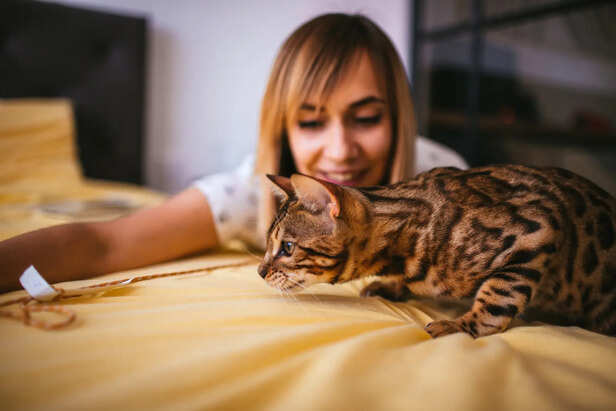
Playful Chaos Under Moonlight
While it’s important to allow your cat to express their natural behaviors, you might want to manage their nocturnal activities, especially if it’s disrupting your sleep. Here are some suggestions:
1. Interactive Play
2. Feeding Schedule
3. Enrichment
4. Create a Routine
Celebrate the bond with your pets, explore Health & Nutrition, discover Breeds, master Training Tips, Behavior Decoder, and set out on exciting Travel Tails with Times Pets!
Frequently asked questions (FAQs)
- Are night zoomies normal for cats?
Yes, night zoomies are completely normal and healthy behavior. They show that your cat is active and expressing natural instincts like hunting, chasing, and playing. - How can I reduce my cat’s night zoomies?
You can reduce zoomies by increasing daytime playtime, using interactive toys, and feeding your cat a meal before bedtime. This helps burn energy and encourages them to rest at night. - Do kittens have more zoomies than adult cats?
Yes, kittens and young cats tend to have more frequent and intense zoomies because they have higher energy levels and are still developing their coordination and hunting skills.