
Nature’s Living Armor: 5 Animals That Turn Their Bodies Into Weapons
Anushka Tripathi | Feb 28, 2026, 12:30 IST

fish
Image credit : Freepik
This article explores five remarkable animals that have evolved natural armor, such as shells, spikes, thorns, and quills, to survive in hostile environments. From porcupines and tortoises on land to pufferfish and sea urchins in the ocean, each creature shows how nature turns the body itself into a powerful defense system. Written in an emotional and engaging tone, the piece highlights where these animals are found and why their living weapons are about survival, not aggression.
In the wild, survival is never guaranteed. There are no hospitals, no second chances, and no mercy for the weak. Over millions of years, animals have evolved extraordinary ways to protect themselves. Some run fast. Some hide well. And some transform their very bodies into weapons. Shells, thorns, spikes, and quills are not just physical features. They are living shields shaped by fear, pain, and the constant threat of being eaten. These animals do not attack first. They endure. They defend. They survive.
Porcupine The Walking Forest Of Spikes
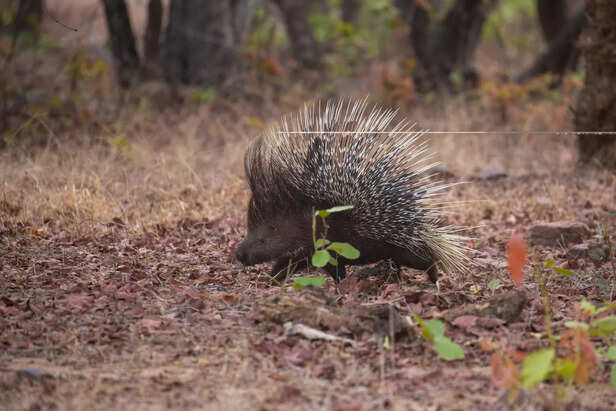
porcupine
Image credit : Freepik
The porcupine looks slow, gentle, and almost vulnerable at first glance. But its body tells a different story. Covered in thousands of sharp quills, the porcupine carries one of nature’s most effective defense systems. These quills are not thrown, as many myths claim. They detach easily when a predator comes too close. Each quill has microscopic barbs that make removal painful and dangerous. A single wrong bite can lead to infection, injury, or death for predators. Lions, leopards, and even bears have learned to keep their distance.
Porcupines are found across forests, grasslands, and rocky areas in Africa, Asia, and the Americas. They are quiet, solitary animals that would rather avoid conflict. Their spikes exist not to harm, but to warn. Touch me, and you will regret it.
Tortoise The Ancient Shield Bearer
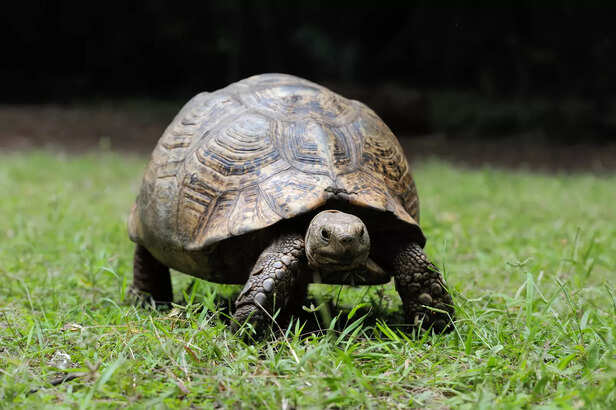
tortoise
Image credit : Freepik
The tortoise carries its home on its back. Its shell is not just protection. It is life itself. Made of bone fused with the spine and ribs, the shell shields vital organs from crushing jaws and sharp teeth.
When danger approaches, the tortoise does not run. It withdraws. Legs, head, and tail disappear into a fortress that few predators can break. Some shells are domed to deflect force. Others are flat for camouflage.
Tortoises are found in deserts, grasslands, forests, and islands across the world. They move slowly, but their survival strategy is timeless. Many species live for over a century, protected by the same armor generation after generation. The tortoise teaches a quiet lesson. Strength does not always mean speed. Sometimes, it means endurance.
Thorny Devil The Desert Covered In Thorns
In the harsh deserts of Australia lives a lizard that looks like it crawled out of a nightmare. The thorny devil is covered head to tail in sharp spikes. Even its face is armored. Every inch of its body warns predators to stay away.
These spikes do more than defend. They help the lizard blend into the rocky desert landscape. Predators struggle to identify where the body begins and ends. When threatened, the thorny devil lowers its head, presenting a false head-like shape on its neck to confuse attackers.
Despite its fearsome appearance, the thorny devil feeds almost entirely on ants. It is slow, peaceful, and fragile inside its spiked armor. Without those thorns, it would not survive the desert for long.
Pufferfish: The Inflating Mine Of The Sea
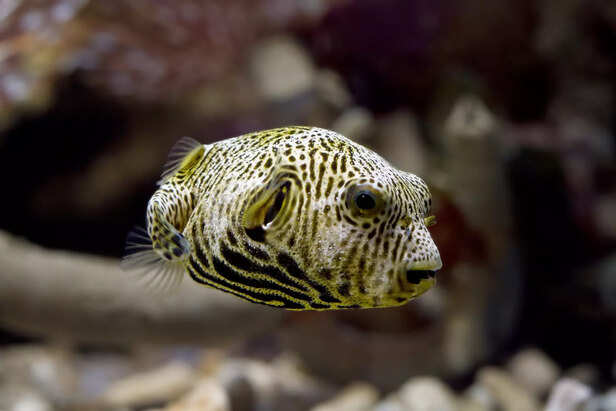
puffer fish
Image credit : Freepik
The pufferfish does not rely on speed or stealth. It relies on shock. When threatened, it inflates its body with water or air, transforming from a small fish into a floating ball of spikes. This sudden change startles predators and makes swallowing nearly impossible.
Many pufferfish species also carry powerful toxins in their skin and organs. Even if a predator ignores the spikes, the poison can be fatal.
Pufferfish are found in tropical and subtropical oceans, coral reefs, and even freshwater rivers. They are curious, intelligent fish that explore their environment slowly. Their defense is dramatic but effective.
The pufferfish reminds us that fear can be a powerful weapon when used wisely.
Sea Urchin: The Ocean’s Living Minefield
Sea urchins look simple, almost decorative. But their bodies are covered in long, sharp spines that can puncture skin, cause pain, and inject venom in some species. These spines break easily and lodge into predators, making attacks costly and memorable. Sea urchins live on ocean floors, coral reefs, and rocky shores across the world. They move slowly, grazing on algae and keeping ecosystems balanced. Without their spines, they would be easy prey for fish, otters, and birds. Their armor allows them to exist openly in dangerous waters, turning stillness into survival.
Why Nature Chooses Armor
Shells, spikes, and thorns are not accidents. They are responses to fear passed down through generations. Animals that could not escape needed protection. Over time, those with better armor survived and reproduced. Natural weapons are not about aggression. They are about discouragement. Most predators prefer easy meals. A body covered in spikes sends a clear message. Look elsewhere.
Pain As A Teacher In The Wild
Predators learn quickly. One painful encounter with a spiked animal is often enough to last a lifetime. This memory saves lives on both sides. The predator avoids the armored animal. The prey lives another day. Pain becomes education. Education becomes survival.
Emotional Reality Behind Natural Weapons
We often admire these animals for their defenses without considering the cost. Growing spikes, shells, and thorns requires energy. It slows movement. It limits flexibility. These animals have traded speed and softness for safety. Their weapons are not choices. They are necessities shaped by a dangerous world.
Where Humans Fit Into This Story
Humans often fear animals with spikes and shells. Porcupines are killed. Sea urchins are stepped on and destroyed. Pufferfish are handled without understanding their danger. Fear leads to harm. But these animals are not threats unless provoked. Their weapons are passive, not aggressive.
Respecting Nature’s Designs
Every shell tells a story of survival. Every thorn represents generations that lived long enough to pass life forward. When we see these animals, we are witnessing evolution in its rawest form. Not beauty for decoration. Not a danger for dominance. But protection for survival. The animals that turn their bodies into weapons are not conquerors. They are survivors. They do not chase. They do not attack first. They endure. In a world obsessed with speed and force, these creatures remind us that sometimes the strongest response is simply being impossible to destroy. Nature did not give them weapons to rule the world. It gave them weapons to stay alive.
Celebrate the bond with your pets, explore Health & Nutrition, discover Breeds, master Training Tips, Behavior Decoder, and set out on exciting Travel Tails with Times Pets!