
Decoding Dog Body Language: Tail, Ears, and Eyes Explained
Upasna Yadav | Apr 15, 2026, 08:45 IST

Combined Dog Body Language Signals in Real-Life
Image credit : Freepik
Dogs communicate far more through body language than through sounds. Every wag of the tail, twitch of the ears, and glance of the eyes carries meaning. Understanding these signals helps pet owners build stronger bonds, prevent misunderstandings, and ensure their dog’s emotional well-being. This article breaks down the key elements of canine body language tail, ears, and eyes so you can better interpret what your furry companion is
Highlights
1. Understanding why dogs rely on body language instead of words and how it shapes their interaction with humans. Learn the real meaning behind tail wagging, including differences between relaxed, stiff, high, and tucked positions.
2. Discover how ear movements reflect curiosity, fear, alertness, and submission in dogs.
3. Explore how eye contact, soft gaze, and “whale eye” reveal a dog’s emotional state. Why observing tail, ears, and eyes together gives a clearer understanding of your dog’s behavior?
2. Discover how ear movements reflect curiosity, fear, alertness, and submission in dogs.
3. Explore how eye contact, soft gaze, and “whale eye” reveal a dog’s emotional state. Why observing tail, ears, and eyes together gives a clearer understanding of your dog’s behavior?
Understanding Canine Communication
The Tail: More Than Just Wagging
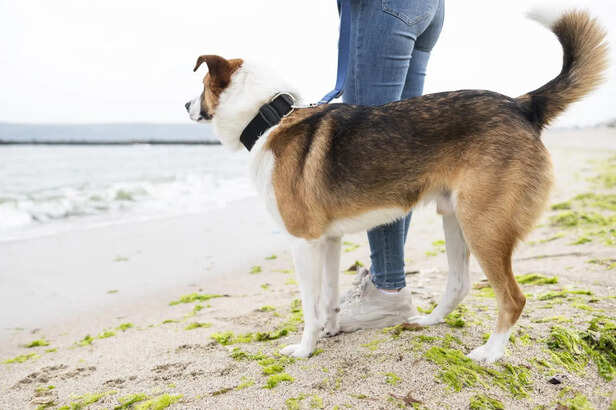
Understanding Dog Tail Wagging Positions and Their Meanings
Image credit : Freepik
Happy and Relaxed Tail
High and Stiff Tail
Low or Tucked Tail
Fast Wagging Tail
The Ears: Indicators of Attention and Mood

Dog Ear Positions Explained: Signs of Alertness and Fear
Image credit : Freepik
Ears Forward
Ears Back
Relaxed Ears
Flattened Ears
The Eyes: Windows to a Dog’s Emotions

Reading Dog Eyes: What Your Pet’s Gaze Reveals
Image credit : Freepik
Soft, Relaxed Eyes
Direct Staring
Avoiding Eye Contact
Wide Eyes (“Whale Eye”)
Combining Signals for Accurate Understanding
Celebrate the bond with your pets, explore Health & Nutrition, discover Breeds, master Training Tips, Behavior Decoder, and set out on exciting Travel Tails with Times Pets!
Frequently asked questions (FAQs)
- Why does my dog wag its tail but still seem aggressive?
Tail wagging does not always mean happiness. Dogs may wag their tails when they are excited, anxious, or even agitated. If the wag is stiff, fast, and paired with tense muscles, a fixed stare, or growling, it can indicate aggression or discomfort. Always consider the full body language before approaching. - What does it mean when my dog avoids eye contact?
Avoiding eye contact is often a sign of submission, fear, or respect. Dogs use this behavior to show they are not a threat. It can also occur when a dog feels uncomfortable or anxious in a situation. Giving them space and reassurance can help them feel safe. - Can ear positions vary by breed?
Yes, ear positions can differ depending on the breed. Dogs with floppy ears may show less obvious movements compared to those with upright ears. However, changes in ear tension, direction, and overall posture still provide valuable clues about their emotional state.