
Is Your Pet Acting Different This Winter? Here’s Why
Keshvi Sood | Jan 11, 2026, 03:00 IST

Winter Behavior
Image credit : Freepik
As winter sets in, many pet parents start noticing small changes that feel a little off. Your dog might be sleeping longer than usual or your cat may seem more withdrawn. At first, it is easy to brush it off as laziness or moodiness. But just like humans, pets respond to seasonal changes too. Colder temperatures, shorter days, and altered routines can quietly affect their behavior. Understanding why these shifts happen can help you respond with care instead of concern.
Cold Weather Can Change Energy and Mood

Low Energy
Image credit : Freepik
One of the most common winter changes in pets is reduced energy. Cold weather naturally makes animals conserve energy, so longer naps and slower movement are normal. Dogs may hesitate before walks, especially early mornings, while cats often seek warm corners and blankets. Less sunlight also plays a role. Shorter days can affect internal body clocks, leading to lower activity levels and subtle mood changes. This does not mean your pet is unhappy. It often means their body is adapting to the season. Gentle encouragement, shorter but consistent play sessions, and warmth can help maintain balance without forcing activity.
Routine Disruptions Matter More Than You Think
Daily Rhythm
Image credit : Freepik
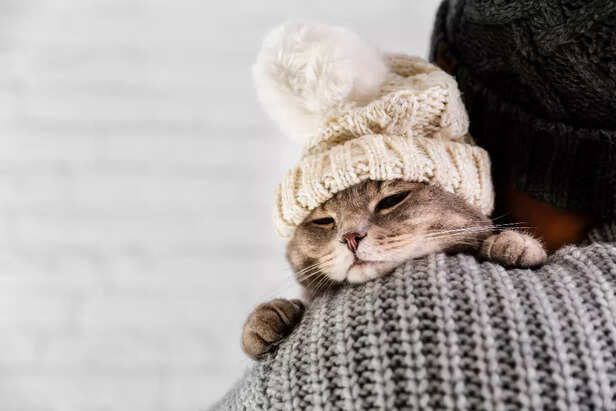
Winter often changes household routines more than we realize. Walk timings shift, outdoor play reduces, and even feeding schedules can vary during holidays or busy days. Pets thrive on routine, and even small disruptions can show up as clinginess, restlessness, or mild anxiety. Dogs may follow you around more, while cats may vocalize or hide more often. These behaviors are not attention-seeking habits but signals that your pet is adjusting. Keeping daily routines as predictable as possible and offering quiet reassurance helps them feel secure during seasonal transitions.
Physical Comfort Directly Affects Behavior

Cozy Care
Image credit : Freepik
Behavior changes in winter are not always emotional. Physical discomfort plays a big role. Older pets may feel joint stiffness in cold weather, making them less active or slightly irritable. Dry indoor air can cause itchy skin, leading to restlessness or excessive grooming. Even slight dehydration in winter can make pets seem tired or uninterested. Providing warm sleeping areas, ensuring fresh water intake, and maintaining basic grooming routines can significantly improve comfort. When pets feel physically better, their behavior often returns to normal on its own.
Listening to Seasonal Signals With Care
Gentle Attention
Image credit : Freepik
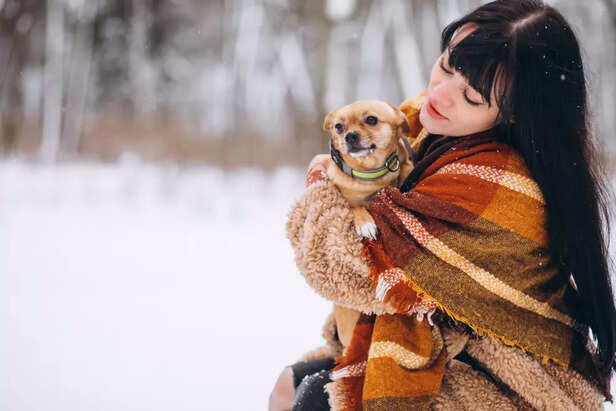
Winter behavior changes are usually your pet’s quiet way of communicating their needs. Instead of worrying, see it as an opportunity to slow down with them. Extra warmth, patience, and small adjustments go a long way. Observing patterns rather than reacting to single days helps you understand what is seasonal and what needs attention. When care replaces concern, winter becomes a season of comfort rather than confusion for both you and your pet.
Celebrate the bond with your pets, explore Health & Nutrition, discover Breeds, master Training Tips, Behavior Decoder, and set out on exciting Travel Tails with Times Pets!
Frequently Asked Questions (FAQs)
- Is it normal for pets to behave differently in winter?
Yes, seasonal changes in temperature and daylight often affect behavior. - Why does my pet sleep more during colder months?
Pets conserve energy in winter due to lower temperatures and reduced sunlight. - Can winter routines cause anxiety in pets?
Yes, even small changes in daily schedules can impact emotional comfort. - Do indoor pets experience winter behavior changes too?
Yes, indoor heating and limited stimulation can still affect them. - When should winter behavior changes worry me?
If changes are sudden, extreme, or paired with health symptoms.