Cats are lovable, playful, and endlessly charming creatures, but their scratching behavior can often leave pet owners frustrated and worried about damaged furniture. Scratching is a natural instinct for cats, used to stretch their muscles, mark territory, and keep their claws healthy. Understanding why your cat scratches and learning ways to redirect this behavior can save your home and strengthen the bond with your furry friend. With patience, love, and the right techniques, you can protect your furniture while still allowing your cat to express itself naturally.
Understanding Why Cats Scratch
Before you try to stop your cat from scratching, it is important to understand why they do it. Scratching is an instinctive behavior for cats of all ages. It helps them stretch their muscles, sharpen their claws, and release pent-up energy. Cats also use scratching to mark their territory. Their paws have scent glands, and scratching leaves both a visual and scent mark. Understanding that scratching is natural and not a sign of misbehavior helps you approach the problem with patience rather than frustration.
Recognizing The Problem Areas
![cat]()
cat
Image credit : Pexels
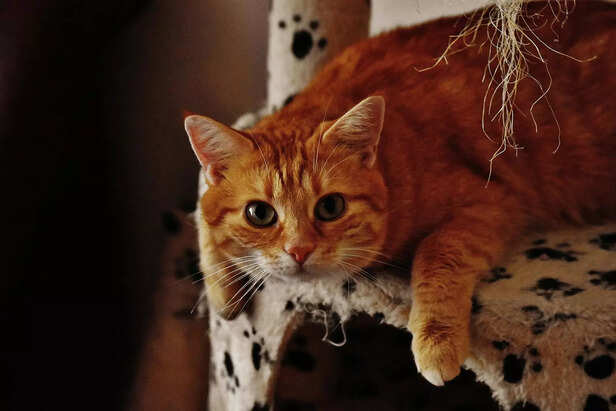
Cats often target furniture, curtains, and door frames because these areas are tall, sturdy, and easily accessible. Identify which pieces of furniture are most at risk in your home. Observing your cat’s scratching habits can give you insight into their favorite spots and times of day. Some cats prefer scratching after waking up or before playtime. Once you know their patterns, you can plan effective strategies to redirect their behavior without punishment.
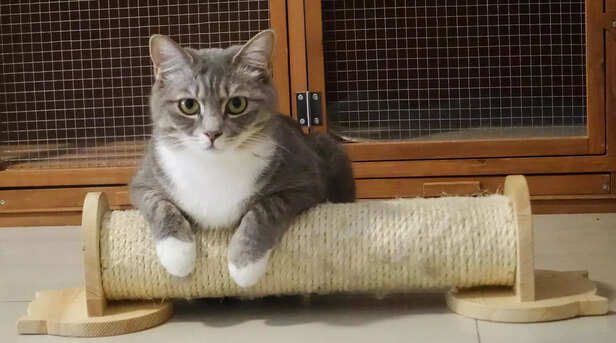
One of the most effective ways to stop your cat from scratching furniture is to provide them with suitable alternatives. Scratching posts, pads, and climbing trees are excellent choices. Place these in areas where your cat already likes to scratch. Vertical posts are ideal for cats who like to stretch upwards, while horizontal pads work for those who scratch on flat surfaces. Covering posts with materials like sisal, cardboard, or carpet provides a satisfying texture for your cat’s claws.
Making Scratching Posts Attractive
Even if you provide scratching posts, your cat may not immediately use them. Make the posts appealing by sprinkling catnip on them or dangling toys from the top. Spend time playing near the post to show your cat how fun it is. You can gently encourage your cat to scratch the post by placing their paws on it. Positive reinforcement, such as treats or praise, helps your cat associate the post with a rewarding experience.
Deterring Furniture Scratching
![pet]()
pet
Image credit : Pexels
While promoting positive alternatives, it is also helpful to make furniture less appealing to scratch. Covering furniture with protective materials like slipcovers, double-sided tape, or aluminum foil can discourage scratching. Cats do not like sticky or crinkly surfaces. Spray deterrents designed for cats can also help, but avoid products that contain harmful chemicals. Consistency is key, so apply these deterrents every time your cat approaches the forbidden areas.
Regularly trimming your cat’s claws reduces the damage caused by scratching. Use proper cat nail clippers and trim only the sharp tips to avoid hurting the quick. For cats who resist trimming, start slowly and offer gentle praise or treats. Shorter claws make furniture less vulnerable and make your cat more comfortable when scratching appropriate surfaces. Combined with scratching posts, trimming helps redirect the behavior effectively.
Encouraging Positive Play And Exercise
Boredom and excess energy often contribute to unwanted scratching. Cats need mental and physical stimulation to stay happy and healthy. Provide interactive toys, puzzle feeders, and daily play sessions to burn off energy. Playtime near scratching posts encourages your cat to use them naturally. Engaging your cat in active games not only reduces destructive behavior but also strengthens the emotional bond between you and your pet.
Each cat has a unique personality and preferences. Some cats love vertical scratching, while others prefer horizontal surfaces. Some enjoy clawing soft textures, and others prefer rough materials. Observing and understanding your cat’s individual likes and dislikes will help you tailor strategies that work specifically for them. Patience and empathy go a long way in helping your cat adapt to new behaviors.
Using Positive Reinforcement
Punishing your cat for scratching furniture can create fear and stress. Instead, focus on rewarding positive behavior. Praise, treats, or gentle petting when your cat uses the scratching post reinforces the behavior you want. Cats respond best to encouragement rather than punishment, and consistent positive reinforcement creates lasting habits while keeping your relationship strong.
If you have a large home or multiple favorite scratching areas, it is helpful to provide several scratching posts or pads. Place them near windows, doorways, or other high-traffic areas where your cat likes to scratch. Variety in texture and placement increases the likelihood that your cat will use the posts instead of furniture. Multiple stations also prevent territorial disputes if you have more than one cat in the household.
Maintaining Scratching Posts
![white cat]()
white cat
Image credit : Pexels
Cats may lose interest in scratching posts if they become worn out or dirty. Regularly inspect posts and replace or refresh materials as needed. Adding new toys or rearranging posts can renew your cat’s interest. A clean, well-maintained scratching surface encourages consistent use and helps protect your furniture over the long term.
Stopping furniture scratching is not just about protecting your home; it is about respecting your cat’s natural instincts and building trust. Be patient and compassionate as your cat learns new behaviors. Celebrate small victories when they use the scratching post or redirect their energy appropriately. Over time, your cat will feel secure, and destructive scratching will decrease naturally.
Signs You Might Need Professional Help
If your cat continues to scratch destructively despite your efforts, it may be helpful to consult a veterinarian or animal behaviorist. Persistent scratching can sometimes be a sign of stress, anxiety, or health issues such as skin irritation. Professionals can provide guidance and strategies tailored to your cat’s specific needs. Early intervention can prevent long-term damage to your home and maintain your cat’s well-being.
Scratching is a natural and necessary behavior for cats, but with the right strategies, you can protect your furniture and create a happy environment for your pet. Understanding why cats scratch, providing appealing alternatives, deterring furniture, and using positive reinforcement are all key components of success. Regular claw trimming, play, and mental stimulation further reduce destructive behavior. By approaching this challenge with patience, love, and empathy, you can preserve your home and strengthen the bond with your feline friend. Watching your cat happily use scratching posts while keeping your furniture intact is a reward for both you and your pet.
Celebrate the bond with your pets, explore
Health & Nutrition, discover
Breeds, master
Training Tips,
Behavior Decoder, and set out on exciting
Travel Tails with
Times Pets!