Travelling with pets is increasingly common and many guests expect hotels to welcome their animals. Pets are important members of many families and require comfort and safety while away from home. Hotels that adapt to pet needs create better experiences for all guests. Comfort for pets involves both physical settings and thoughtful service. This article explains practical ways hotels can become comfortable and welcoming for pets.
1. Establish Clear and Transparent Pet-Friendly Policies
![Dog]()
Dog
Image credit : Unsplash
A pet resting beside its owner on a hotel bed reflects the importance of a calm, secure, and pet-friendly environment. Allowing pets to stay close to their owners, along with clean bedding and quiet surroundings, helps reduce anxiety and makes hotel stays comfortable for both pets and guests.
• Hotels should clearly define their pet-friendly policies in advance.
• Policies must mention the types of pets allowed, such as dogs or cats.
• Information about size limits, number of pets per room, and extra charges should be clearly communicated.
• Rules regarding pet behaviour in common areas should be explained to guests.
• Pets should be kept on a leash or in carriers when outside rooms.
• Clear policies prevent misunderstandings and ensure safety for all guests.
• Written guidelines also help staff manage pet-related situations effectively.
2. Provide Comfortable Pet Amenities in Guest Rooms
![Cat]()
Cat
Image credit : Unsplash
A cat resting comfortably on a hotel lounge sofa shows the importance of calm, clean, and pet-safe common areas. Soft seating, quiet surroundings, and respectful guest policies help hotels create welcoming shared spaces where pets can relax without stress during their stay.
• Hotels should offer basic amenities that help pets feel at home.
• Clean pet beds, blankets, and mats provide comfort and warmth.
• Food and water bowls should be available in pet-friendly rooms.
• Pet-safe flooring reduces the risk of slipping and injury.
• Simple toys or chew items help reduce anxiety in pets.
• These facilities make the stay relaxing for pets and their owners.
• Comfortable amenities help pets adjust to the new environment quickly.
3. Maintain High Standards of Cleanliness and Hygiene
![Dog]()
Dog
Image credit : Unsplash
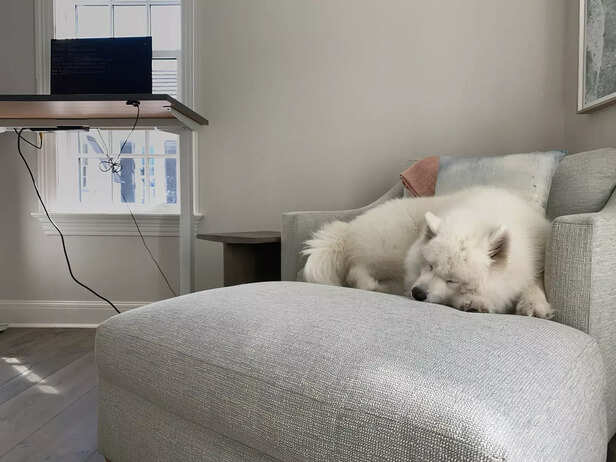
A pet sleeping peacefully on a soft chair highlights the importance of quiet, cozy resting areas in hotels. Comfortable furniture, clean surroundings, and a calm atmosphere help pets relax and feel secure, making hotel stays more comfortable and stress free for travelling pets and their owners.
• Cleanliness is important for both pet guests and non-pet guests.
• Rooms occupied by pets must be thoroughly cleaned after check-out.
• Carpets, furniture, and curtains should be cleaned to remove hair and odors.
• Hotels should provide pet waste bags and disposal bins in common areas.
• Regular sanitation prevents the spread of germs and parasites.
• Clean surroundings help maintain a pleasant environment for everyone.
• Proper hygiene practices improve the hotel’s reputation and guest trust.
4. Train Hotel Staff in Pet Handling and Care
![Dog]()
Dog
Image credit : Unsplash
Two pets resting comfortably on a clean hotel bed highlight the importance of soft bedding, warmth, and quiet surroundings. Providing fresh linens, cozy blankets, and a calm atmosphere helps pets relax, sleep well, and feel at home during their hotel stay.
• Hotel staff should be trained to interact calmly with pets.
• Training should include basic understanding of animal behaviour.
• Staff should know how to approach nervous or excited pets safely.
• Employees must be aware of hotel pet policies and rules.
• Staff should be trained to handle minor pet-related emergencies.
• Friendly and confident staff reduce stress for pets and owners.
• Proper training ensures smooth and safe operations in pet-friendly hotels.
5. Ensure Pet Safety and Emergency Preparedness
![Dog]()
Dog
Image credit : Unsplash
A dog resting peacefully on a soft, cushioned pet bed inside a hotel room highlights the importance of dedicated comfort spaces for pets. Providing clean bedding, warmth, natural light, and a quiet environment helps hotels reduce pet anxiety and create a home-like experience for travelling pets and their owners.
• Pet safety should be a top priority for hotels.
• Rooms should be free from hazards such as loose wires or sharp edges.
• Balconies and windows should be secured to prevent accidents.
• Hotels should keep contact details of nearby veterinary clinics.
• Pet first-aid kits should be available at the reception desk.
• Emergency evacuation plans should include pets.
• These measures protect pets and give owners peace of mind.
6. Follow Government Animal Welfare Guidelines and Ethical Practices
![Dog]()
Dog
Image credit : Unsplash
A dog relaxing on a clean, soft hotel bed shows how familiar sleeping arrangements help pets feel safe and comfortable. Allowing pets to rest on cozy bedding, along with maintaining high hygiene standards and a calm room setup, makes hotel stays more welcoming and stress free for pets and their owners.
• Hotels must ensure humane treatment of all animals.
• The Animal Welfare Board of India promotes animal welfare and protection.
• Pets should not be kept in stressful or unsafe conditions.
• Hotels should avoid practices that may harm animal health or wellbeing.
• Respecting animal welfare laws reflects responsible hospitality.
• Ethical treatment builds trust among pet-owning guests.
• Government guidance helps hotels maintain proper standards of pet care.
Making hotels comfortable for pets involves thoughtful policies, dedicated spaces, and proper care from staff. Hotels that welcome pets with preparation and consideration enhance the travel experience for both pet owners and animals. Prioritising cleanliness, safety and respect for animal welfare makes stays more relaxing and enjoyable. Following government animal welfare guidance builds trust and ensures pets feel safe and valued throughout their stay.
Celebrate the bond with your pets, explore
Health & Nutrition, discover
Breeds, master
Training Tips,
Behavior Decoder, and set out on exciting
Travel Tails with
Times Pets!Frequently Asked Questions (FAQs)- What makes a hotel comfortable for pets?
A hotel becomes comfortable for pets by providing clean spaces, safe rooms, pet bedding, and a calm environment. - Why are pet-friendly hotels important?
Pet-friendly hotels allow owners to travel without stress while ensuring pets feel safe and cared for. - What amenities should hotels offer for pets?
Hotels should offer pet beds, food bowls, waste bags, and access to walking areas. - Are hygiene standards different in pet-friendly hotels?
Yes, pet-friendly hotels must follow strict cleaning and sanitation practices to ensure health and safety. - Should hotels train staff for pet handling?
Yes, trained staff help manage pets responsibly and assist guests more effectively.