
How to Bond with Lovebirds: A Beginners Guide to Trust and Companionship
Upasna Yadav | Mar 27, 2026, 11:32 IST

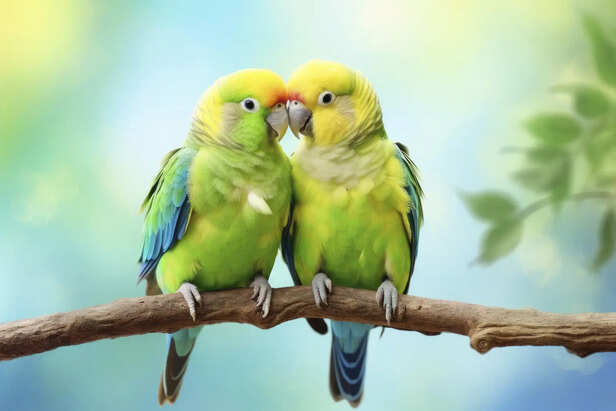
Lovebird Enjoying Close Companionship
There's something truly special about keeping lovebirds as pets. These tiny parrots, bursting with color and personality, aren't just pets - they're little bundles of joy that bring life and laughter into a home. Whether they're chattering away, playing with their favorite toy, or snuggling up with their chosen companion (yes, that might just be you!), lovebirds have a way of making every day feel brighter. If you've ever wondered what it's like to share your life with one of these affectionate birds, you're in for a treat.
Highlights
1. Beyond their loving nature, lovebirds are incredibly smart. They enjoy problem-solving, can mimic sounds, and thrive on interactive play. Their playful antics make them fascinating to watch and even more rewarding to bond with.
2. We'll explore what makes lovebirds such special pets - from their unique traits and care needs to the different species you can welcome into your home.
3. Lovebirds are intelligent and affectionate birds. They are okay for beginners, but require a bit more work than other species. They are best kept as pairs, since they require so much attention and affection.
2. We'll explore what makes lovebirds such special pets - from their unique traits and care needs to the different species you can welcome into your home.
3. Lovebirds are intelligent and affectionate birds. They are okay for beginners, but require a bit more work than other species. They are best kept as pairs, since they require so much attention and affection.
What are love birds ?
Lovebird Sitting Comfortably on a Tree Branch
Lovebirds are small parrots that measure five or six inches long and weigh about two ounces. They have rounded heads and their beaks are relatively large. There are nine different species of lovebirds, all of which have green body feathers with varying colors on their heads and necks. Some have characteristic light to bright orange, yellow, gray, black, or red on their heads and necks. Lovebirds originate from the continent of Africa, including Madagascar. Some of the African regions where they are located include Tanzania, Malawi, Zambia, Botswana, South Africa, Namibia, and Ethiopia.
Lovebirds are popular pet birds due to their ease of maintenance, their playful and energetic nature, and their beautiful colors. When housed alone, they will seek attention from their humans. They often form a deep connection to another lovebird and can pair bond with their mate for life. They are vocal chatters, but their chirping is not able to mimic talking like some other parrots. The life expectancy of lovebirds in captivity averages from 10–20 years. Lovebirds in the wild tend to have shorter life spans of 5–10 years. The oldest recorded lovebird in captivity lived to be 34 years old.
Maintenance of lovebirds
The basic cage care includes daily cleaning/changing of the food and water dishes. Plain newspaper can be used to line the bottom of the cage and should be changed daily to prevent diseases and illness. Weekly you should clean and disinfect the cage with warm soapy water or an avian cage disinfectant. Wash and completely dry the perches and toys whenever they become soiled.
Social Behaviors
These birds develop fierce loyalties to their keeper or their mate. Aside from their social nature toward you or their mate, they can be extremely aggressive towards other birds. You must be certain that all pairs get along together, and that they are true “pairs”: not mismatched. Do not mix species of lovebirds as they will fight. Bonded pairs constantly groom each other and will feed each other from the crop during breeding season and all year round. These little birds will chatter all day long. They will hide in their nest box if they are startled by a sudden noise, if they spot a potential predator, or if it gets cold and windy.
Handling
Creating a Safe Environment for Lovebirds
To have a tame lovebird, choose a young single bird. Young birds have an amazing ability to learn tricks and be affectionate, whereas adults are very difficult to tame and generally won’t learn a lot of tricks or imitate behaviors. Hand-raised youngsters are easiest as they are already quite socialized and tame, but are not always available.
Taming involves acceptance and trust between you and your bird. It means spending a lot of time with your bird daily. Start with talking softly and making slow movements. Once your bird is comfortable with you, then you can begin hand taming. Use a dowel and push it gently against the bird’s chest while offering a treat to coax it up onto the dowel. This may take many tries. Once it is comfortable with stepping up onto a dowel, substitute your finger for the dowel.
Care and feeding
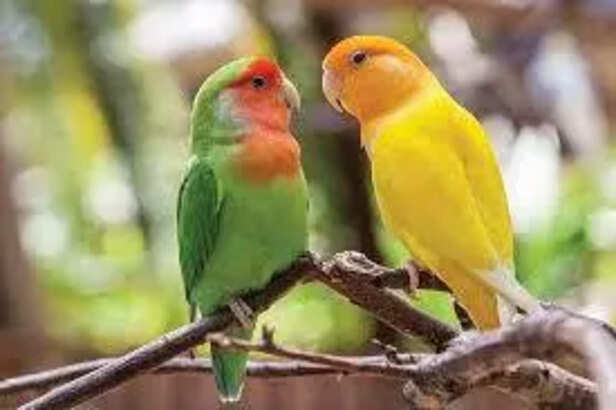
Balanced Diet and Daily Care Routine for Lovebirds
Most lovebirds love a bath either in a flat earthenware dish or by spraying them with a light mist of lukewarm water. If you use a bathing dish, you will see the birds perch on the edge and dip their heads and upper bodies in the water and beating their wings. They prefer this kind of bath to getting into the water. Lovebirds generally maintain their nails and beaks on their own through climbing and chewing.
However, consult your vet about nail trimming. In the wild, lovebirds feed on seeds, berries, fruits, grains, grasses, leaf buds, and agricultural crops of corn, maize and figs. A lovebird’s diet will consist of 1 1/2 to 2 ounces (45-60 grams) of feed daily for a single bird.
Celebrate the bond with your pets, explore Health & Nutrition, discover Breeds, master Training Tips, Behavior Decoder, and set out on exciting Travel Tails with Times Pets!
Frequently asked questions (FAQs)
- What is the best way to gain a lovebird’s trust?
Start by spending quiet time near the cage, speaking softly, and offering treats by hand. Avoid sudden movements and let your lovebird approach you at its own pace to feel safe and comfortable. - Can lovebirds bond with humans easily?
Yes, lovebirds can form strong bonds with humans, especially if they are hand-raised or regularly handled. With daily interaction and care, they can become affectionate and loyal companions. - How do I know if my lovebird trusts me?
Signs of trust include your lovebird approaching you willingly, accepting food from your hand, chirping happily, and showing relaxed body language when you are nearby.