
How Do Pets Remember Their Owners Even After Years Apart?
Kashish Pandey | Jan 05, 2026, 12:39 IST

dog
Image credit : Pixabay
Pets remembering their owners even after years apart is one of the most emotional and fascinating behaviors in the animal world. This article explores the science, senses, and emotional bonds that help pets like dogs, cats, birds, and even horses recognize and remember their owners over long periods of separation. From scent memory and voice recognition to emotional attachment and routine based learning, we uncover why the bond between humans and pets is so strong and long lasting.
How pets remember their owners, pet memory, animal bonding, and emotional attachment between pets and humans are topics that often amaze pet lovers. Many people have witnessed pets recognizing their owners after months or even years apart, reacting with excitement, calmness, or deep affection. This is not magic or coincidence. It is a powerful mix of biology, senses, emotions, and learning that allows pets to store memories of their owners for a very long time. Understanding how pets remember humans helps us appreciate the depth of the human animal relationship and why pets are often considered family.
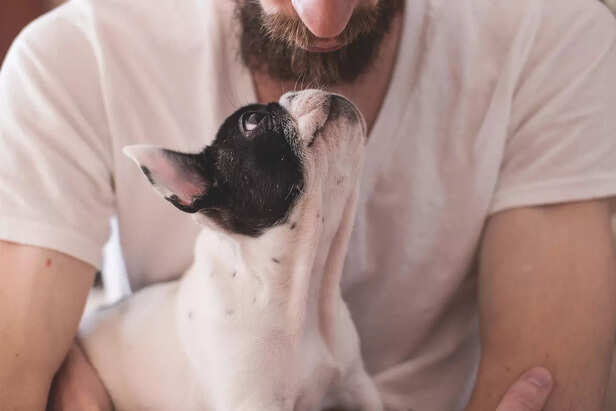
![animals]() One of the strongest reasons pets remember their owners is scent. Animals, especially dogs and cats, have an extraordinary sense of smell.
One of the strongest reasons pets remember their owners is scent. Animals, especially dogs and cats, have an extraordinary sense of smell.
Dogs can remember a person through scent for years. A dog’s nose has up to 300 million scent receptors, compared to about 5 million in humans. This allows dogs to create a detailed scent profile of their owner. Even if years pass, the memory of that unique smell stays stored in their brain.
Cats also rely heavily on scent. They mark people they love by rubbing their face or body against them. This mixes the owner’s scent with their own, creating a familiar and comforting identity that they remember for a long time.
Clothes, shoes, blankets, and even rooms can trigger memories because they carry the owner’s scent.
Pets do not just remember how their owner smells, they also remember how they sound.
Dogs can recognize their owner’s voice among many others. Studies show that dogs process familiar human voices in a special part of their brain linked to emotion. This is why dogs may react immediately when they hear their owner’s voice, even from another room or through a phone.
Cats may act independent, but they can recognize their owner’s voice very well. Research shows that cats respond differently to their owner’s voice compared to strangers, even if they do not always show it openly.
Birds, especially parrots, can remember voices for decades. Some birds remember the voices of owners who cared for them in childhood.
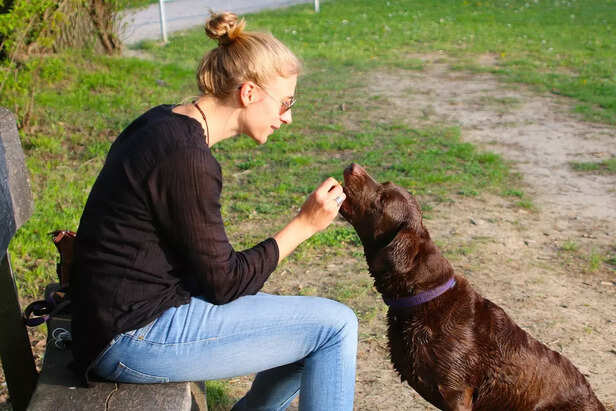
![pet]() While smell and sound are stronger, visual memory also plays a role.
While smell and sound are stronger, visual memory also plays a role.
Dogs can recognize human faces, body language, walking style, and posture. Even from a distance, pets often identify their owner by the way they move or stand.
Cats use visual cues along with routine. They notice familiar movements like how their owner opens the door or sits down.
Horses and some other animals are also known to recognize human faces and remember people who treated them kindly or badly.
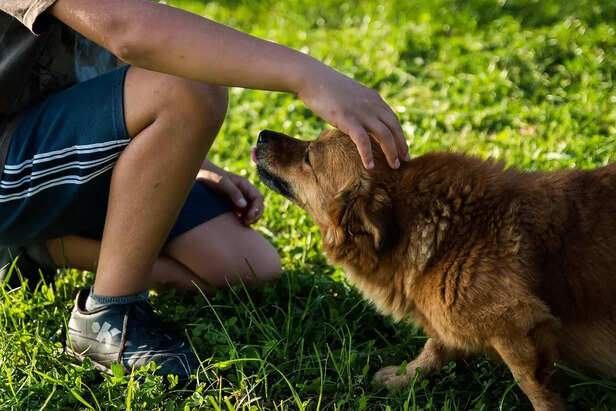
![dog]() The emotional connection between pets and owners is a major reason memories last so long.
The emotional connection between pets and owners is a major reason memories last so long.
Pets form attachment bonds similar to those between human parents and children. When owners provide food, safety, affection, and care, pets associate them with comfort and survival.
Positive emotions strengthen memory. When a pet feels safe and loved, the brain releases chemicals like oxytocin, often called the bonding hormone. This strengthens emotional memory and makes it easier to remember that person later.
This is why pets often remember owners who treated them with kindness more strongly than those who were distant.
Pets remember their owners through a combination of scent memory, voice recognition, visual cues, emotional bonding, routine, and long term associative memory. Time does not erase these memories easily when the bond is strong. These moments prove that the connection between pets and humans is real, deep, and lasting.
Discover expert advice and the latest tips on pet care, training, health, and more. Stay updated with all things pets at Times Pets!
Frequently Asked Questions[FAQs]
The Power of Scent Memory
animals
Image credit : Pixabay
Dogs can remember a person through scent for years. A dog’s nose has up to 300 million scent receptors, compared to about 5 million in humans. This allows dogs to create a detailed scent profile of their owner. Even if years pass, the memory of that unique smell stays stored in their brain.
Cats also rely heavily on scent. They mark people they love by rubbing their face or body against them. This mixes the owner’s scent with their own, creating a familiar and comforting identity that they remember for a long time.
Clothes, shoes, blankets, and even rooms can trigger memories because they carry the owner’s scent.
Voice Recognition and Sound Memory
Dogs can recognize their owner’s voice among many others. Studies show that dogs process familiar human voices in a special part of their brain linked to emotion. This is why dogs may react immediately when they hear their owner’s voice, even from another room or through a phone.
Cats may act independent, but they can recognize their owner’s voice very well. Research shows that cats respond differently to their owner’s voice compared to strangers, even if they do not always show it openly.
Birds, especially parrots, can remember voices for decades. Some birds remember the voices of owners who cared for them in childhood.
Visual Memory and Facial Recognition
pet
Image credit : Pixabay
Dogs can recognize human faces, body language, walking style, and posture. Even from a distance, pets often identify their owner by the way they move or stand.
Cats use visual cues along with routine. They notice familiar movements like how their owner opens the door or sits down.
Horses and some other animals are also known to recognize human faces and remember people who treated them kindly or badly.
Emotional Bonding and Attachment
dog
Image credit : Pixabay
Pets form attachment bonds similar to those between human parents and children. When owners provide food, safety, affection, and care, pets associate them with comfort and survival.
Positive emotions strengthen memory. When a pet feels safe and loved, the brain releases chemicals like oxytocin, often called the bonding hormone. This strengthens emotional memory and makes it easier to remember that person later.
This is why pets often remember owners who treated them with kindness more strongly than those who were distant.
Pets remember their owners through a combination of scent memory, voice recognition, visual cues, emotional bonding, routine, and long term associative memory. Time does not erase these memories easily when the bond is strong. These moments prove that the connection between pets and humans is real, deep, and lasting.
Discover expert advice and the latest tips on pet care, training, health, and more. Stay updated with all things pets at Times Pets!
Frequently Asked Questions[FAQs]
- Do pets really remember their owners after years apart?
Yes, many pets can remember their owners even after years, especially if the emotional bond was strong and positive. - Which sense helps pets remember their owners the most?
Scent is the strongest sense for most pets, especially dogs and cats, followed by voice and visual recognition. - Can cats remember their owners like dogs do?
Yes, cats can remember their owners through scent, voice, and routine, although they may show recognition more subtly. - Do pets forget owners if they are separated for a long time?
Pets may forget details, but strong emotional and sensory memories often remain, especially when the bond was deep.