
Hidden Reason Pets Mature Emotionally Before Their Bodies Do
Tanisha Kumari | Jan 07, 2026, 12:09 IST

emotional maturity
Image credit : Freepik
Here it explores why pets mature emotionally faster than they physically age. It highlights how survival instincts, bonding with humans, structured routines, emotional experiences and honesty in expression accelerate emotional growth. Pets learn to read moods, adapt to change and build resilience early, making them emotionally 'older' than their age suggests.
A puppy who once bounced off walls becomes calm and observant. A kitten who used to pounce on everything starts reading moods and responding with quiet comfort. This emotional maturity arrives earlier than physical aging and it is not just imagination. There are psychological, biological and environmental reasons why pets develop emotional depth faster than their bodies do.
![Survival instincts]()
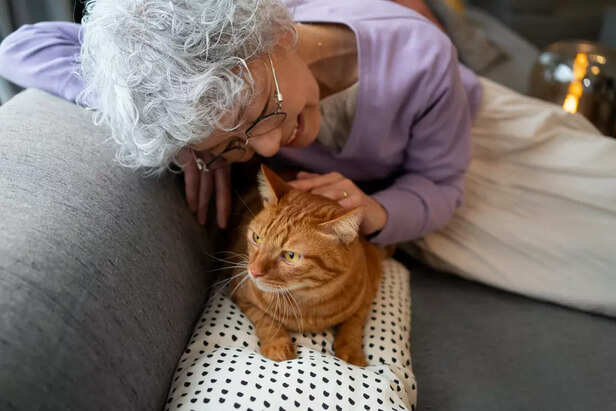
Animals are biologically programmed to read their surroundings quickly. From a young age, pets must interpret tone of voice, body language and environmental cues to stay safe. This constant need to assess 'friend or threat' sharpens emotional perception. While their muscles and bones are still youthful, their minds are already trained to detect shifts in mood, routine and energy. Emotional awareness becomes a survival tool long before physical maturity is required.
The intense attachment pets form with their humans plays a huge role. Daily interaction, affection, discipline and shared routines teach animals emotional cause and effect. Over time pets begin anticipating their human's emotions, responding with comfort when they are sad or excitement when they are happy. This deep bonding speeds up emotional development making a young pet appear emotionally 'older' than their age.
Routine Builds
![Emotional intelligence]()
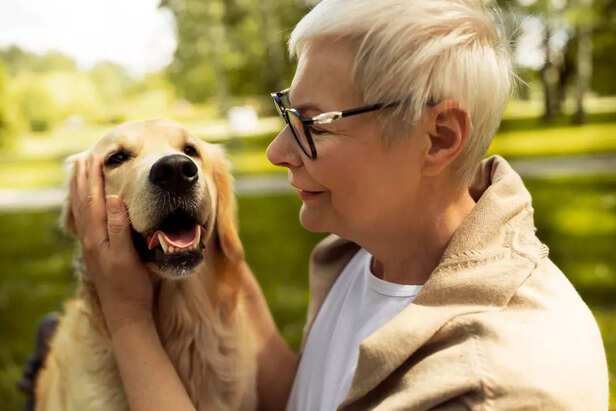
Unlike humans, most pets live in highly structured worlds where feeding times, walks, play, rest and sleep follow predictable patterns. This repetition allows them to master emotional expectations quickly. They learn when to be calm, when to be alert and when to seek connection. With fewer distractions than human life, pets become experts at understanding the emotional rhythm of their environment which fosters early maturity in behavior and emotional control.
Loss, Change and
Pets are remarkably sensitive to change. A move to a new home, the absence of a family member or even a shift in daily routine leaves a lasting emotional imprint. Animals show signs of grief, anxiety or heightened attachment after such experiences. These emotional challenges force them to adapt, building resilience and empathy early in life. While their bodies remain young, their emotional world deepens quickly.
Humans hide or suppress feelings whereas pets do not. Their emotions are immediate and honest like fear, joy, stress and affection are expressed without filters. This emotional transparency allows faster learning and adaptation. Because they process and express feelings directly, pets reach emotional 'adulthood' earlier than humans even though they physically remain playful and energetic.
Pets do not just grow but they feel their way through life at a remarkable pace. Survival instincts, deep bonds, structured routines, emotional experiences and honest expression all contribute to why animals mature emotionally before their bodies show age. That quiet look a pet gives shows the way they sense our mood before we speak which is not a coincidence.
Celebrate the bond with your pets, explore Health & Nutrition, discover Breeds, master Training Tips, Behavior Decoder, and set out on exciting Travel Tails with Times Pets!
Frequently Asked Questions (FAQs)
Survival Instincts Wire Them for Emotional Awareness
Survival instincts
Image credit : Freepik
Animals are biologically programmed to read their surroundings quickly. From a young age, pets must interpret tone of voice, body language and environmental cues to stay safe. This constant need to assess 'friend or threat' sharpens emotional perception. While their muscles and bones are still youthful, their minds are already trained to detect shifts in mood, routine and energy. Emotional awareness becomes a survival tool long before physical maturity is required.
Bonding Accelerates Emotional Growth
Routine Builds Emotional Intelligence
Emotional intelligence
Image credit : Freepik
Unlike humans, most pets live in highly structured worlds where feeding times, walks, play, rest and sleep follow predictable patterns. This repetition allows them to master emotional expectations quickly. They learn when to be calm, when to be alert and when to seek connection. With fewer distractions than human life, pets become experts at understanding the emotional rhythm of their environment which fosters early maturity in behavior and emotional control.
Loss, Change and Empathy Shape Them Early
Fewer Social Masks, More Emotional Honesty
Pets do not just grow but they feel their way through life at a remarkable pace. Survival instincts, deep bonds, structured routines, emotional experiences and honest expression all contribute to why animals mature emotionally before their bodies show age. That quiet look a pet gives shows the way they sense our mood before we speak which is not a coincidence.
Celebrate the bond with your pets, explore Health & Nutrition, discover Breeds, master Training Tips, Behavior Decoder, and set out on exciting Travel Tails with Times Pets!
Frequently Asked Questions (FAQs)
- What age do dogs mature mentally?
Most dogs start to show signs of calming down around 18 months to 2 years, with full mental maturity taking until 3 years or more. - Do animals mature like humans?
While humans tend to take longer than most animals to mature, some animals, like elephants take just as long at around 16 to 17 years which is also when they become independent. - What is the naughtiest age for a dog?
Adolescence marks the change from being a puppy to becoming an adult. In dogs, it starts any time between six and 12 months and can end between 18 and 24 months.