
Hidden Dangers in Your Home That Can Harm Your Dog
Deepak Rajeev | Apr 28, 2026, 19:05 IST

Household items toxic to dogs
Image credit : Freepik
Many hidden dangers inside your home can harm your dog, including cleaning products, medications, toxic foods, plants, and small objects. Dogs explore through smell and taste, making them vulnerable to everyday items. Understanding these risks and keeping harmful substances out of reach can prevent accidents and ensure your home remains a safe environment for your pet.
We often think of danger as something outside. Busy roads, unfamiliar environments, or wild animals. But for dogs, some of the most serious threats exist inside the very place meant to protect them. Everyday household items, things we use without thinking, can quietly become sources of poisoning, injury, or long-term harm. Dogs explore the world through smell, taste, and touch. Their curiosity leads them to lick floors, chew objects, and investigate anything new. This natural behavior is exactly what makes common household items so dangerous.
![Disinfection equipment on table]() Cleaning products are one of the most overlooked dangers in a home with dogs. Floor cleaners, disinfectants, toilet solutions, and sprays often contain chemicals like bleach, ammonia, and formaldehyde. These substances can irritate the skin, burn the digestive system, or damage internal organs if ingested or inhaled. Even indirect exposure can be harmful. When dogs walk across freshly cleaned floors, they may later lick their paws and ingest residue. The danger is not always immediate. Repeated exposure can gradually affect their health over time.
Cleaning products are one of the most overlooked dangers in a home with dogs. Floor cleaners, disinfectants, toilet solutions, and sprays often contain chemicals like bleach, ammonia, and formaldehyde. These substances can irritate the skin, burn the digestive system, or damage internal organs if ingested or inhaled. Even indirect exposure can be harmful. When dogs walk across freshly cleaned floors, they may later lick their paws and ingest residue. The danger is not always immediate. Repeated exposure can gradually affect their health over time.
![Pills]() One of the most serious risks comes from medications meant for humans. Painkillers, antidepressants, and even vitamins can be toxic to dogs, even in small doses. Unlike humans, dogs cannot process many of these substances safely. A single tablet dropped on the floor or left within reach can lead to severe poisoning. The symptoms may escalate quickly, affecting the liver, kidneys, or nervous system.
One of the most serious risks comes from medications meant for humans. Painkillers, antidepressants, and even vitamins can be toxic to dogs, even in small doses. Unlike humans, dogs cannot process many of these substances safely. A single tablet dropped on the floor or left within reach can lead to severe poisoning. The symptoms may escalate quickly, affecting the liver, kidneys, or nervous system.
Garage areas often contain substances that are extremely dangerous for dogs. Antifreeze, in particular, poses a major risk because of its sweet taste, which attracts animals. Even a small amount can cause rapid poisoning, leading to kidney failure within hours or days if untreated. Other automotive fluids, paints, and solvents can also release toxic fumes or cause harm if ingested.
Products used to control pests, whether inside the home or in the garden, can be highly toxic to dogs. These include insect sprays, rat poison, and lawn treatments. Exposure may happen through ingestion, inhalation, or even contact with treated surfaces. Symptoms can range from digestive distress to breathing difficulties and neurological effects.
Laundry Products and Detergents
Laundry detergents, especially concentrated pods, are particularly dangerous. Their chemical composition can irritate the mouth, throat, and stomach, causing vomiting and discomfort. Fabric softener sheets also contain compounds that can burn the digestive tract if chewed or swallowed. These products are often stored within easy reach, making them a hidden but serious risk.
Indoor and outdoor plants can add beauty to a home, but many common varieties are harmful to dogs. Flowers such as lilies, daffodils, and azaleas contain compounds that can cause poisoning when ingested. Dogs may chew leaves, stems, or flowers out of curiosity, not knowing the danger. The effects vary depending on the plant, but can include vomiting, weakness, and in severe cases, organ damage.
Food is one of the most common sources of accidental poisoning. Items like chocolate, grapes, onions, and products containing xylitol can be extremely dangerous for dogs. The risk increases when food is left unattended on counters or tables. Dogs are natural scavengers, and a single moment of access can lead to serious consequences.
Not all dangers are chemical. Physical objects in the home can also pose life-threatening risks. Small toys, socks, bones, or food packaging can cause choking or intestinal blockages if swallowed. Even seemingly harmless items like snack bags can become deadly. If a dog puts its head inside, the bag can tighten and restrict breathing, leading to suffocation.
Strong scents from air fresheners, candles, and essential oils may seem pleasant to humans but can irritate a dog’s sensitive respiratory system. Dogs experience the world primarily through smell. Exposure to strong or synthetic fragrances can cause discomfort, breathing issues, or behavioral changes, especially in enclosed spaces.
What connects all these risks is not just toxicity. It is accessibility. These items are part of everyday life, which makes them easy to overlook. Dogs do not recognize danger the way humans do. They rely on instinct, curiosity, and trust. If something smells interesting or looks like food, they are likely to explore it without hesitation.
Most household dangers are preventable. Awareness and small changes in daily habits can make a significant difference. Keeping harmful substances out of reach, monitoring your dog’s environment, and understanding what is safe and what is not can protect them from avoidable harm. Your home should be a place of comfort and safety. But for your dog, that safety depends entirely on what you notice and what you choose to keep within reach.
Celebrate the bond with your pets, explore Health & Nutrition, discover Breeds, master Training Tips, Behavior Decoder, and set out on exciting Travel Tails with Times Pets!
Cleaning Products
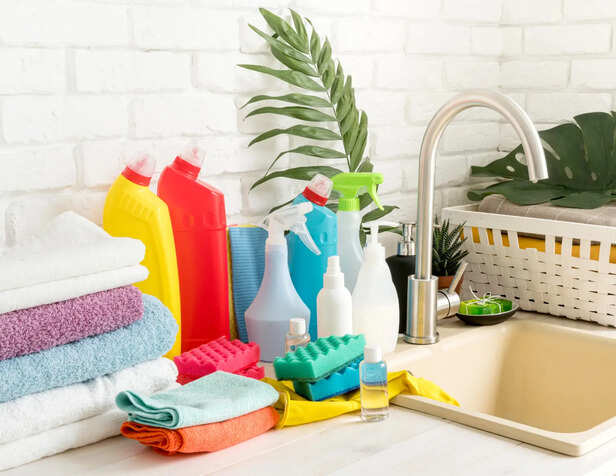
Disinfection equipment on table
Image credit : Freepik
Human Medications
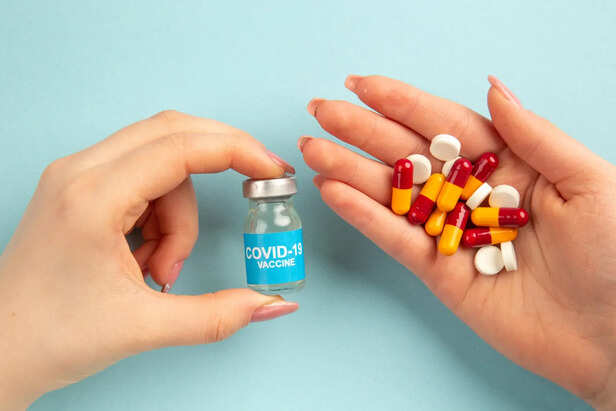
Pills
Image credit : Freepik
Antifreeze and Garage Chemicals
Garage areas often contain substances that are extremely dangerous for dogs. Antifreeze, in particular, poses a major risk because of its sweet taste, which attracts animals. Even a small amount can cause rapid poisoning, leading to kidney failure within hours or days if untreated. Other automotive fluids, paints, and solvents can also release toxic fumes or cause harm if ingested.
Pesticides and Insecticides
Products used to control pests, whether inside the home or in the garden, can be highly toxic to dogs. These include insect sprays, rat poison, and lawn treatments. Exposure may happen through ingestion, inhalation, or even contact with treated surfaces. Symptoms can range from digestive distress to breathing difficulties and neurological effects.
Laundry Products and Detergents
Laundry detergents, especially concentrated pods, are particularly dangerous. Their chemical composition can irritate the mouth, throat, and stomach, causing vomiting and discomfort. Fabric softener sheets also contain compounds that can burn the digestive tract if chewed or swallowed. These products are often stored within easy reach, making them a hidden but serious risk.
Toxic Plants and Flowers
Indoor and outdoor plants can add beauty to a home, but many common varieties are harmful to dogs. Flowers such as lilies, daffodils, and azaleas contain compounds that can cause poisoning when ingested. Dogs may chew leaves, stems, or flowers out of curiosity, not knowing the danger. The effects vary depending on the plant, but can include vomiting, weakness, and in severe cases, organ damage.
Food Left Within Reach
Food is one of the most common sources of accidental poisoning. Items like chocolate, grapes, onions, and products containing xylitol can be extremely dangerous for dogs. The risk increases when food is left unattended on counters or tables. Dogs are natural scavengers, and a single moment of access can lead to serious consequences.
Small Objects and Packaging
Not all dangers are chemical. Physical objects in the home can also pose life-threatening risks. Small toys, socks, bones, or food packaging can cause choking or intestinal blockages if swallowed. Even seemingly harmless items like snack bags can become deadly. If a dog puts its head inside, the bag can tighten and restrict breathing, leading to suffocation.
Air Fresheners and Fragrances
Strong scents from air fresheners, candles, and essential oils may seem pleasant to humans but can irritate a dog’s sensitive respiratory system. Dogs experience the world primarily through smell. Exposure to strong or synthetic fragrances can cause discomfort, breathing issues, or behavioral changes, especially in enclosed spaces.
The hidden pattern behind these dangers
What connects all these risks is not just toxicity. It is accessibility. These items are part of everyday life, which makes them easy to overlook. Dogs do not recognize danger the way humans do. They rely on instinct, curiosity, and trust. If something smells interesting or looks like food, they are likely to explore it without hesitation.
The truth every dog owner should understand
Most household dangers are preventable. Awareness and small changes in daily habits can make a significant difference. Keeping harmful substances out of reach, monitoring your dog’s environment, and understanding what is safe and what is not can protect them from avoidable harm. Your home should be a place of comfort and safety. But for your dog, that safety depends entirely on what you notice and what you choose to keep within reach.
Celebrate the bond with your pets, explore Health & Nutrition, discover Breeds, master Training Tips, Behavior Decoder, and set out on exciting Travel Tails with Times Pets!