
From ‘pet-owner’ to ‘pet-parent’: Inside urban India’s new family
Oct 03, 2026, 11:01 IST

From ‘pet-owner’ to ‘pet-parent’: Inside urban India’s new family
Across India’s metro cities, younger pet parents are increasingly treating dogs and cats as full-fledged family members, reshaping daily routines, spending and even lifestyle choices. From customised meals and grooming to daycare, boarding, insurance and pet-friendly travel, a growing pet-care economy is emerging around their needs. Surveys suggest millennials and Gen Z are driving much of this shift, influenced by smaller households, delayed marriage and a greater focus on companionship. But behind the trend of “pawties” and premium services lies a deeper responsibility: pets require long-term financial, emotional and practical commitment, not just affection or occasional luxury.
On a working morning, a single woman’s home can surprisingly resemble a small family. Her dogs and cats have their own routines: customised meals prepared for the day while she is at work, premium grooming appointments and even a round-the-clock nanny. Their birthdays are marked on her calendar, affectionately called 'barkdays' and 'meow-saries'. This may sound elaborate, but it is increasingly a reality in affluent Indian households. Across Mumbai, Delhi-NCR and Bengaluru, younger Indians are reorganising their homes, holidays and household budgets around their animals, fuelling a new economy of cafes, daycare, grooming, veterinary care and insurance.
The vocabulary has shifted too: pet owners have become pet parents, while cats and dogs are often called 'fur babies' or siblings. A 2024 TGM Research survey of 715 Indian adults found that 56% of pet owners considered their animals part of the family. A separate Mars Petcare survey of 1,000 respondents in India found that 69% were first-time pet parents, while 66% of young Indian respondents described their dog or cat as the most important part of their life.
These are industry-funded surveys and should be read with some caution, but their broad direction is reflected in changing consumer behaviour and household spending. A 2024 Redseer survey estimates India’s pet population at 32 million in 2024, up from 26 million in 2019. Spending on pet products and services rose from $1.6 billion to $3.6 billion over the same period, with boarding, specialised veterinary care and insurance among the categories driving growth.
The shift is partly generational and urban. Millennials and Gen Z have come of age amid delayed marriages, smaller households and mobile careers, while the pandemic also brought a sharper focus on companionship. In findings from a Supertails survey of more than 500 pet parents, nearly half of recent first-time adopters were Gen Z and 44% were millennials. For many younger Indians, pets are no longer simply part of the household; they are increasingly factored into decisions around work, travel, housing and relationships.
In Delhi, 27-year-old Kartik Uniyal’s life with his French bulldog offers a quieter version of the trend. Uniyal, who lives alone, plans his workdays, weekends and holidays around the dog, including looking for pet-friendly accommodation when he travels. He told The Times of India that seeing his dog waiting for him after a long day immediately helps him unwind.
![The ecosystem around the pet]()
Once an animal occupies the emotional place of family, an ecosystem of services tends to follow. Working professionals need walkers and daycare, while frequent travellers need trusted boarding. First-time pet parents may turn to online veterinary consultations, while pet parties, or pawties, bring demand for cakes, decor, photography and other services. The animal has entered not just the family photograph but also the household risk register. Insurance, still a developing category in India, turns that emotional commitment into financial planning. Policies available in the country can cover hospitalisation, surgery and terminal illness, although terms, exclusions and eligibility vary widely.
Pet-friendly cafes make this redefinition of family more visible. At Zane’s Cafe in Mumbai, humans can eat downstairs while watching a live feed of their pets being groomed upstairs, with a separate menu for animals. In Bengaluru, TherPUP combines a cafe with open play areas, a pool, grooming, boarding and daycare. The idea grew from its founder’s desire to have a place to spend time with dogs before he was able to adopt one himself. These formats address everyday urban challenges: pet parents do not necessarily have to leave a family member at home to socialise, nor do they have to compromise on pet care because of their working hours.
Celebrations are another visible frontier. Pet parents organise parties with themed invitations, matching outfits, customised cakes and professional photographs, with some even planning annual birthday trips to Goa. Pet celebrations can also overlap with daycare and boarding, with businesses offering pup-cakes, pet menus and community events. In cities where dog parks are limited and restaurants may restrict pets, such gatherings create spaces where animals and their humans can meet.
Yet the glossy vocabulary of pawties and spas can obscure the harder economics of care. Dog walkers in urban cities can cost anywhere from a few thousand rupees to five-figure amounts a month, while medical emergencies can quickly run into tens of thousands of rupees. A 2023 Supertails survey also found that 93% of Gen Z respondents believed reliable online pet-care information was lacking, while 67% of pet parents flagged inadequate access to emergency consultations. India’s pet-parent boom, therefore, is not only a story of premium consumption. It is also a story of gaps in infrastructure and access being filled, often unevenly, by private businesses.
![Pets are not "easier" children]()
A pet is not an easier alternative to a child. Pets remain dependent through old age, illness, relocation and changes in a caregiver’s job or relationship. The more meaningful signs of pet parenthood may not be the fancy birthday parties, but the everyday commitments around them: choosing a flat that permits animals, budgeting for preventive healthcare, arranging care before a work trip and refusing to treat abandonment as an exit strategy. Across India’s metro cities, the urban family is being redrawn: sometimes with two incomes and no children, sometimes around a person living alone, and sometimes within a conventional household with an extra member on four legs. And as that definition changes, so does the market built around it.
The pet-parent stats
The vocabulary has shifted too: pet owners have become pet parents, while cats and dogs are often called 'fur babies' or siblings. A 2024 TGM Research survey of 715 Indian adults found that 56% of pet owners considered their animals part of the family. A separate Mars Petcare survey of 1,000 respondents in India found that 69% were first-time pet parents, while 66% of young Indian respondents described their dog or cat as the most important part of their life.
These are industry-funded surveys and should be read with some caution, but their broad direction is reflected in changing consumer behaviour and household spending. A 2024 Redseer survey estimates India’s pet population at 32 million in 2024, up from 26 million in 2019. Spending on pet products and services rose from $1.6 billion to $3.6 billion over the same period, with boarding, specialised veterinary care and insurance among the categories driving growth.
The shift is partly generational and urban. Millennials and Gen Z have come of age amid delayed marriages, smaller households and mobile careers, while the pandemic also brought a sharper focus on companionship. In findings from a Supertails survey of more than 500 pet parents, nearly half of recent first-time adopters were Gen Z and 44% were millennials. For many younger Indians, pets are no longer simply part of the household; they are increasingly factored into decisions around work, travel, housing and relationships.
In Delhi, 27-year-old Kartik Uniyal’s life with his French bulldog offers a quieter version of the trend. Uniyal, who lives alone, plans his workdays, weekends and holidays around the dog, including looking for pet-friendly accommodation when he travels. He told The Times of India that seeing his dog waiting for him after a long day immediately helps him unwind.
The ecosystem around the pet

The ecosystem around the pet
Once an animal occupies the emotional place of family, an ecosystem of services tends to follow. Working professionals need walkers and daycare, while frequent travellers need trusted boarding. First-time pet parents may turn to online veterinary consultations, while pet parties, or pawties, bring demand for cakes, decor, photography and other services. The animal has entered not just the family photograph but also the household risk register. Insurance, still a developing category in India, turns that emotional commitment into financial planning. Policies available in the country can cover hospitalisation, surgery and terminal illness, although terms, exclusions and eligibility vary widely.
Pet-friendly cafes make this redefinition of family more visible. At Zane’s Cafe in Mumbai, humans can eat downstairs while watching a live feed of their pets being groomed upstairs, with a separate menu for animals. In Bengaluru, TherPUP combines a cafe with open play areas, a pool, grooming, boarding and daycare. The idea grew from its founder’s desire to have a place to spend time with dogs before he was able to adopt one himself. These formats address everyday urban challenges: pet parents do not necessarily have to leave a family member at home to socialise, nor do they have to compromise on pet care because of their working hours.
Celebrations are another visible frontier. Pet parents organise parties with themed invitations, matching outfits, customised cakes and professional photographs, with some even planning annual birthday trips to Goa. Pet celebrations can also overlap with daycare and boarding, with businesses offering pup-cakes, pet menus and community events. In cities where dog parks are limited and restaurants may restrict pets, such gatherings create spaces where animals and their humans can meet.
Yet the glossy vocabulary of pawties and spas can obscure the harder economics of care. Dog walkers in urban cities can cost anywhere from a few thousand rupees to five-figure amounts a month, while medical emergencies can quickly run into tens of thousands of rupees. A 2023 Supertails survey also found that 93% of Gen Z respondents believed reliable online pet-care information was lacking, while 67% of pet parents flagged inadequate access to emergency consultations. India’s pet-parent boom, therefore, is not only a story of premium consumption. It is also a story of gaps in infrastructure and access being filled, often unevenly, by private businesses.
Pets are not "easier" children
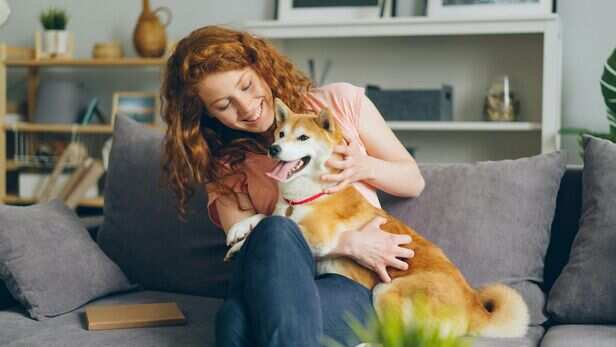
Pets are not "easier" children
A pet is not an easier alternative to a child. Pets remain dependent through old age, illness, relocation and changes in a caregiver’s job or relationship. The more meaningful signs of pet parenthood may not be the fancy birthday parties, but the everyday commitments around them: choosing a flat that permits animals, budgeting for preventive healthcare, arranging care before a work trip and refusing to treat abandonment as an exit strategy. Across India’s metro cities, the urban family is being redrawn: sometimes with two incomes and no children, sometimes around a person living alone, and sometimes within a conventional household with an extra member on four legs. And as that definition changes, so does the market built around it.