
Fish Body Language Explained: Signs of Stress, Comfort, and Illness
Upasna Yadav | Apr 20, 2026, 12:15 IST

Healthy Fish Swimming Calmly
Image credit : Pexels
Fish may not speak, but they constantly communicate through subtle body language, movement patterns, and changes in appearance. Understanding these signals is essential for any aquarist who wants to maintain a healthy and thriving aquatic environment. This article explores how to decode fish behavior, helping you recognize signs of stress, comfort, and illness early so you can take timely action and ensure your fish live a healthy life.
Highlights
1. Fish communicate through subtle body language, making it essential for aquarists to observe their daily behavior closely. Smooth swimming, bright colors, and active feeding are strong indicators of comfort and good health, while sudden changes like erratic movement, hiding, or loss of appetite often signal stress.
2. Illness may present through both behavioral and physical symptoms, such as lethargy, abnormal swimming, or visible spots and swelling.
3. By understanding these cues, fish keepers can identify problems early, improve tank conditions, and prevent serious health issues. Ultimately, consistent observation and proper care are the keys to decoding fish behavior and ensuring a healthy aquatic life.
2. Illness may present through both behavioral and physical symptoms, such as lethargy, abnormal swimming, or visible spots and swelling.
3. By understanding these cues, fish keepers can identify problems early, improve tank conditions, and prevent serious health issues. Ultimately, consistent observation and proper care are the keys to decoding fish behavior and ensuring a healthy aquatic life.
Why Understanding Fish Body Language Matters ?

Stressed Fish Hiding in Aquarium
Image credit : Pexels
Fish rely on movement, posture, and physical cues to express their condition. Since they cannot vocalize discomfort, behavioral changes are often the first and only indicators of a problem. By learning to interpret these signals, fish keepers can detect issues related to water quality, diet, disease, or environmental stress before they become serious.
Signs of Comfort and Healthy Fish Behavior
- Smooth and steady swimming without sudden jerks
- Active exploration of the tank environmen
- Bright and vibrant coloration
- Healthy appetite and regular feeding habits
- Social interaction (for schooling species)
Signs of Stress in Fish
- Erratic swimming or darting movements
- Hiding excessively or staying at one spot
- Clamped fins (fins held close to the body)
- Loss of color or dull appearance
- Gasping at the water surface (possible low oxygen levels)
- Refusal to eat
Signs of Illness in Fish
Behavioral changes combined with physical symptoms may indicate disease. Common signs include:
- Lethargy and reduced movement
- Floating abnormally (upside down or sinking)
- Rubbing against objects (flashing)
- White spots, lesions, or swelling
- Rapid gill movement
- Isolation from other fish
Common Behavioral Patterns and Their Meanings
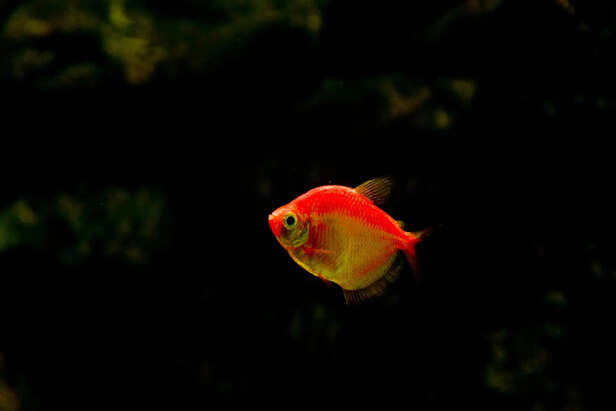
Fish with Signs of Illness
Image credit : Pexels
- Surface Gasping: Often linked to low oxygen or poor water conditions
- Bottom Sitting: Could indicate stress, illness, or unsuitable temperature
- Chasing or Aggression: Territorial behavior or overcrowding
- Schooling Tightly: Can be a sign of fear or sudden disturbance
How to Maintain Healthy Fish Behavior ?
- Maintain clean and well-filtered water
- Monitor temperature and pH levels regularly
- Avoid overcrowding the tank
- Provide balanced nutrition
- Include plants and hiding spaces for comfort
- Introduce compatible tank mates
Celebrate the bond with your pets, explore Health & Nutrition, discover Breeds, master Training Tips, Behavior Decoder, and set out on exciting Travel Tails with Times Pets!
Frequently asked questions (FAQs)
- How can I tell if my fish is stressed or just resting?
Resting fish usually remain calm and stable, often near the bottom or in a quiet area. Stressed fish, however, show irregular behaviors like darting, hiding excessively, or gasping at the surface. - Why is my fish swimming at the top of the tank?
This could indicate low oxygen levels, poor water quality, or stress. Check aeration, filtration, and water parameters immediately. - Do all fish show the same body language signs?
No, behavior varies by species. However, general signs like loss of appetite, erratic swimming, and color fading are common indicators of stress or illness across most fish.