
Feathers in Faith: Birds of Indian Temples
Aparna Jha | Jan 04, 2026, 16:33 IST

Temple and Birds
Image credit : Unsplash
Birds are integral to Indian temple life, symbolizing spirituality, culture, and ecological balance. Peacocks, parrots, pigeons, and crows are part of rituals, art, and folklore, connecting devotees to the divine. Temples also serve as informal sanctuaries, supporting India’s bird conservation efforts under the Wildlife (Protection) Act, 1972 and government initiatives.
Temples in India are sacred spaces not only for humans but also for birds. Various species find shelter, food, and spiritual significance in temple premises. Pigeons, crows, peacocks, and parrots are frequently seen interacting with devotees and rituals. Birds enrich spiritual and cultural experiences in temple life. Their presence also aligns with India’s national bird protection and conservation policies.
![Peacock]()
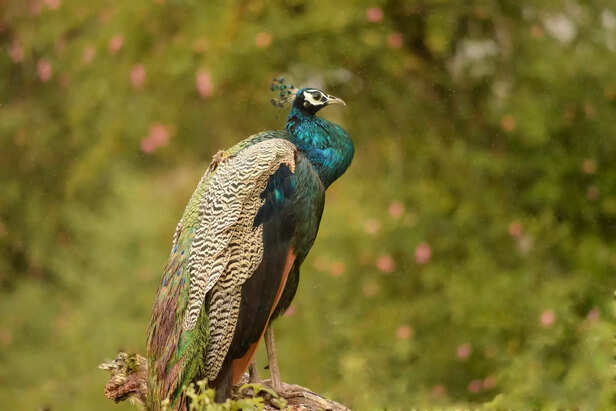
Birds hold deep symbolic and mythological value in Indian temples. The Indian peafowl is associated with Lord Kartikeya and Lord Krishna, appearing in temple motifs, paintings, and rituals. Peacocks symbolize grace, beauty, and spirituality, and their presence is considered auspicious in many temple traditions.
Parrots are linked to divine stories, such as Suka in Vishnu-related lore, acting as intermediaries between humans and gods. These birds are often featured in temple art, carvings, and devotional stories. Crows hold a unique place during ancestor-related rituals where their actions indicate acceptance of offerings by forebears. Their presence in temples reflects a long-standing belief in birds as messengers between humans and the divine.
![Pigeon]()
Temples provide ideal roosting, nesting, and feeding spaces. Architectural features such as gopurams, mandapams, and open courtyards attract pigeons, sparrows, crows, and insectivorous birds. These structures offer safety from predators and a stable environment for raising chicks.
Feeding birds is considered an act of dana or charity in many regions. Devotees offering grains or water participate in acts of kindness that reinforce spiritual beliefs. This practice not only strengthens the bond between humans and nature but also plays a role in maintaining healthy local bird populations. Temples inadvertently act as bird sanctuaries, supporting conservation alongside devotion.
![Pigeon]()
Some traditional practices, while rooted in faith, have created challenges for bird populations. The ritual release of Indian rollers (neelkantha) or other birds during festivals has sometimes led to stress, injury, or disorientation. To address this, government guidelines now regulate such practices to prevent harm.
Courts have also intervened to balance faith and conservation. For instance, the Tripura High Court banned animal and bird sacrifices in temples to uphold the right to life, reflecting India’s commitment to ethical and legal protection for animals.
![Birds]()
India’s Wildlife (Protection) Act, 1972 provides legal protection to wild birds and their habitats.
The Act categorizes species in various schedules and prohibits hunting, capturing, or trading many birds. Temple grounds often serve as informal refuges for these protected species, supporting the broader goal of conserving India’s avian diversity. Legal protections have encouraged temples and devotees to adopt responsible practices that benefit both tradition and wildlife.
![Birds]()
The Ministry of Environment, Forest and Climate Change manages protected areas, bird sanctuaries, and wetlands to safeguard populations.
Vedanthangal Bird Sanctuary in Tamil Nadu is an example of early government efforts to protect migratory and resident birds. India also participates in international conservation initiatives, such as the Central Asian Flyway, which ensures safe migration routes for numerous species. These measures complement temple-based conservation efforts, creating a nationwide network of protection for birds.
![Birds]()
Birds continue to inspire temple art, architecture, festivals, and storytelling. Depictions in stone carvings, paintings, and textiles highlight their spiritual significance. Feeding birds not only honors tradition but also instills awareness about wildlife protection. Campaigns by organizations and local temple committees encourage sustainable practices, bridging faith and environmental responsibility.
Birds in Indian temples are more than creatures; they are active participants in spiritual, cultural, and ecological life. They enrich rituals, inspire art, and connect devotees to nature. With laws like the Wildlife (Protection) Act, 1972 and government conservation programs, India ensures that avian life thrives alongside faith, preserving biodiversity for future generations.
Discover expert advice and the latest tips on pet care, training, health, and more. Stay updated with all things pets at Times Pets!
Frequently Asked Questions[FAQs]
1. Birds as Sacred Symbols in Temple Culture
Peacock
Image credit : Unsplash
Birds hold deep symbolic and mythological value in Indian temples. The Indian peafowl is associated with Lord Kartikeya and Lord Krishna, appearing in temple motifs, paintings, and rituals. Peacocks symbolize grace, beauty, and spirituality, and their presence is considered auspicious in many temple traditions.
Parrots are linked to divine stories, such as Suka in Vishnu-related lore, acting as intermediaries between humans and gods. These birds are often featured in temple art, carvings, and devotional stories. Crows hold a unique place during ancestor-related rituals where their actions indicate acceptance of offerings by forebears. Their presence in temples reflects a long-standing belief in birds as messengers between humans and the divine.
2. Birds Within Temple Premises: Ecology and Devotion

Pigeon
Image credit : Unsplash
Temples provide ideal roosting, nesting, and feeding spaces. Architectural features such as gopurams, mandapams, and open courtyards attract pigeons, sparrows, crows, and insectivorous birds. These structures offer safety from predators and a stable environment for raising chicks.
Feeding birds is considered an act of dana or charity in many regions. Devotees offering grains or water participate in acts of kindness that reinforce spiritual beliefs. This practice not only strengthens the bond between humans and nature but also plays a role in maintaining healthy local bird populations. Temples inadvertently act as bird sanctuaries, supporting conservation alongside devotion.
3. Traditional Practices and Conservation Challenges

Pigeon
Image credit : Unsplash
Some traditional practices, while rooted in faith, have created challenges for bird populations. The ritual release of Indian rollers (neelkantha) or other birds during festivals has sometimes led to stress, injury, or disorientation. To address this, government guidelines now regulate such practices to prevent harm.
Courts have also intervened to balance faith and conservation. For instance, the Tripura High Court banned animal and bird sacrifices in temples to uphold the right to life, reflecting India’s commitment to ethical and legal protection for animals.
4. Birds and Indian Wildlife Law

Birds
Image credit : Unsplash
India’s Wildlife (Protection) Act, 1972 provides legal protection to wild birds and their habitats.
The Act categorizes species in various schedules and prohibits hunting, capturing, or trading many birds. Temple grounds often serve as informal refuges for these protected species, supporting the broader goal of conserving India’s avian diversity. Legal protections have encouraged temples and devotees to adopt responsible practices that benefit both tradition and wildlife.
5. Broader Government Bird Conservation Initiatives

Birds
Image credit : Unsplash
The Ministry of Environment, Forest and Climate Change manages protected areas, bird sanctuaries, and wetlands to safeguard populations.
Vedanthangal Bird Sanctuary in Tamil Nadu is an example of early government efforts to protect migratory and resident birds. India also participates in international conservation initiatives, such as the Central Asian Flyway, which ensures safe migration routes for numerous species. These measures complement temple-based conservation efforts, creating a nationwide network of protection for birds.
6. Cultural Continuity and Conservation Awareness

Birds
Image credit : Unsplash
Birds continue to inspire temple art, architecture, festivals, and storytelling. Depictions in stone carvings, paintings, and textiles highlight their spiritual significance. Feeding birds not only honors tradition but also instills awareness about wildlife protection. Campaigns by organizations and local temple committees encourage sustainable practices, bridging faith and environmental responsibility.
Birds in Indian temples are more than creatures; they are active participants in spiritual, cultural, and ecological life. They enrich rituals, inspire art, and connect devotees to nature. With laws like the Wildlife (Protection) Act, 1972 and government conservation programs, India ensures that avian life thrives alongside faith, preserving biodiversity for future generations.
Discover expert advice and the latest tips on pet care, training, health, and more. Stay updated with all things pets at Times Pets!
Frequently Asked Questions[FAQs]
- Why are birds considered sacred in Indian temples?
Birds symbolize divinity, spiritual messages, and are part of mythological stories and rituals. - How do temples help in bird conservation?
Temple premises provide safe nesting and feeding spaces, acting as informal sanctuaries. - Are there any legal protections for temple birds in India?
Yes, the Wildlife (Protection) Act, 1972 protects many bird species in and around temples. - What challenges do temple birds face today?
Stress from ritual releases, habitat loss, and unregulated human interference are major challenges. - How can visitors support bird protection in temples?
By feeding birds responsibly, avoiding harm, and respecting temple wildlife rules.