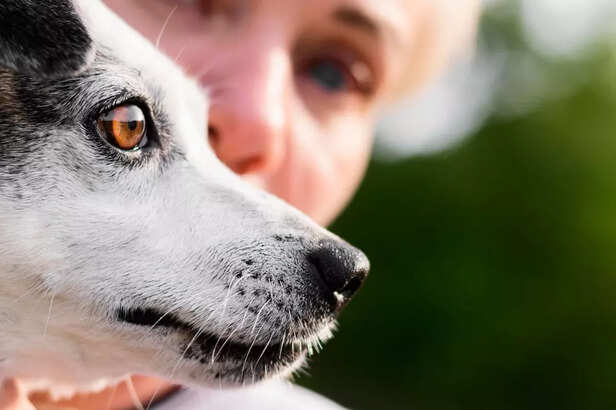
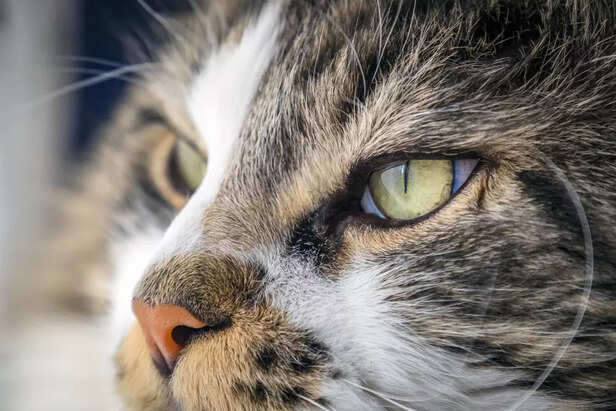
Our pets may not speak our language but their eyes constantly communicate how they feel. From soft, relaxed blinks to wide, tense stares, eye behaviour reveals whether an animal is calm, afraid or in discomfort. Learning to read this silent language help pet owners respond with empathy, catch health issues early and strengthen the bond they share with their animals.
Soft Eyes and Slow Blinks Mean Comfort
![Soft eyes]()
Soft eyes
Image credit : Freepik
pets communicate through their eyes
When a pet's eyes appear relaxed, half closed or accompanied by slow blinking, it usually signals trust and emotional safety. Cats are famous for slow blinking at humans to show affection. Dogs soften their gaze when they feel secure. These calm eye movements indicate that the pet feels at peace in the environment and comfortable with presence.
Wide Eyes Signal Fear or Stress
If a pet's eyes appear unusually wide with more white visible than normal, it points to fear, anxiety or overstimulation. This reaction is common during loud noises, unfamiliar situations or visits to the vet. In dogs this is called whale eye. Such expressions mean the pet is alert, uncomfortable and possibly seeking an escape from the situation.
Squinting or Dull Eyes May Indicate Pain
![Squinting]()
Squinting
Image credit : Freepik
Pets experience pain and show it through subtle changes in body
Pets experiencing pain or illness show subtle changes in their eyes. Squinting, excessive blinking or keeping one eye closed suggest injury, infection or general discomfort. Dull or unfocused eyes may also reflect fatigue or internal pain. Because animals instinctively hide weakness, these visual cues are especially important for early detection of health issues.
Avoiding Eye Contact Shows Discomfort
Direct eye contact feel threatening to many animals. If a pet consistently turns their head away, looks down or avoids meeting your gaze, it may be feeling uneasy or submissive. This behaviour is common in situations involving discipline, new people or unfamiliar animals. Respecting this signal by giving space helps a pet feel safer and prevents stress from escalating.
Staring Means Alertness or a Warning
A fixed, unblinking stare is rarely a sign of relaxation. It may indicate intense focus, territorial behaviour or a warning before defensive action. Dogs in particular may stare when guarding food, toys or space. Recognizing this signal allows to intervene calmly before tension turns into aggression.
A pet’s eyes are powerful storytellers. They reveal whether a companion feels safe, frightened, unwell or completely at ease. By learning to read these subtle signals owners become more attuned to a pet’s emotional and physical needs. Paying attention to eye language not only helps prevent stress and health problems but also deepens trust.
Celebrate the bond with your pets, explore
Health & Nutrition, discover
Breeds, master
Training Tips,
Behavior Decoder, and set out on exciting
Travel Tails with
Times Pets!