
Do Animals Sense Spiritual Energies During Shraddh Paksh?
Kashish Pandey | Sept 08, 2025, 09:39 IST

spiritual energy
Image credit : Pixabay
Shraddh Paksh, also known as Pitru Paksha, is an important period in Hindu tradition dedicated to honoring ancestors. This time is believed to open a spiritual gateway between the living and the departed souls, allowing families to offer rituals, food, and prayers for the peace of their forefathers. For centuries, people have noticed unusual behavior in animals during Shraddh Paksh, leading to the question of whether animals can sense spiritual energies during this sacred phase.The relationship between animals and unseen energies is a subject that has fascinated spiritual seekers, scientists, and pet lovers alike. While human beings often rely on faith, rituals, and scriptures to connect with the divine, animals seem to have a natural sensitivity to vibrations in their surroundings.
This article explores the possibility of animals sensing spiritual energies during Shraddh Paksh, supported by cultural beliefs, scientific observations, and anecdotal experiences.
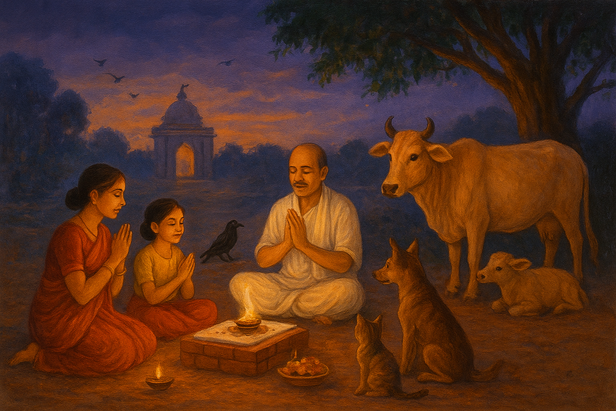
![sharddh paksh]() Shraddh Paksh is observed every year during the waning phase of the moon in the Hindu months of Bhadrapada or Ashwin, usually in September or October. It is believed that during this time, the souls of ancestors return to the earthly realm. Families perform rituals such as Shraddh, Pind Daan, and Tarpan to show gratitude, seek blessings, and pray for the peace of their departed loved ones.
Shraddh Paksh is observed every year during the waning phase of the moon in the Hindu months of Bhadrapada or Ashwin, usually in September or October. It is believed that during this time, the souls of ancestors return to the earthly realm. Families perform rituals such as Shraddh, Pind Daan, and Tarpan to show gratitude, seek blessings, and pray for the peace of their departed loved ones.
Over these two weeks, households and temples are filled with spiritual energy. Priests chant mantras, families prepare offerings with devotion, and prayers are directed toward the ancestral realm. The atmosphere becomes deeply reflective, encouraging people to remember their roots and honor the lineage that shaped their lives. Food is offered with sincerity, stories of ancestors are shared, and a sense of connection to something greater than the self is created. In such a spiritually charged setting, it becomes even more fascinating to wonder how animals, with their heightened senses and natural sensitivity, might be perceiving these subtle vibrations and responding in their own mysterious ways.
Animals are gifted with senses far sharper than our own. A dog can pick up scents that are thousands of times stronger than what we could ever detect. Cats notice the tiniest changes in sound and vibration. Birds rely on magnetic fields to guide them across vast distances during migration. Even cows and elephants are deeply sensitive to emotions and the energy of their surroundings.
Because of these abilities, many spiritual seekers believe animals can sense things beyond human perception. They often respond to natural disasters, predators, or subtle environmental shifts long before people realize what is happening. This sensitivity has given rise to the belief that animals may also be able to pick up on spiritual energies, particularly during sacred times such as Shraddh Paksh.
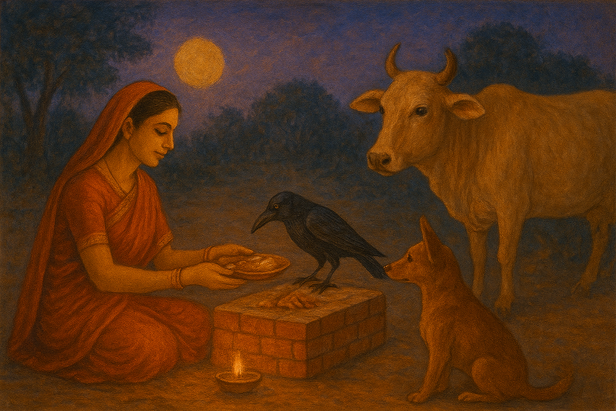
![woman]() Hindu scriptures and folklore often describe animals as messengers or mediums between worlds. Crows hold a particularly important place during Shraddh rituals. Offering food to crows is believed to be equivalent to offering food to ancestors. If a crow accepts the offering, it is seen as a sign that the Pitru has received the Shraddh and is blessing the family.
Hindu scriptures and folklore often describe animals as messengers or mediums between worlds. Crows hold a particularly important place during Shraddh rituals. Offering food to crows is believed to be equivalent to offering food to ancestors. If a crow accepts the offering, it is seen as a sign that the Pitru has received the Shraddh and is blessing the family.
Dogs are also considered sensitive to spirits. Their sudden barking or restless movements at night are sometimes interpreted as a response to invisible presences. Similarly, cows are seen as sacred beings who connect the material and spiritual realms. Feeding cows during Shraddh Paksh is believed to earn merit and blessings from ancestors.
These cultural associations highlight the idea that animals act as receivers or indicators of spiritual energies, especially during rituals connected with departed souls.
Many families in India report unusual animal behavior during this period. Some commonly observed patterns include:
![dog]() From a scientific perspective, animals have advanced neurological and sensory systems that make them highly responsive to stimuli beyond human capacity. For example:
From a scientific perspective, animals have advanced neurological and sensory systems that make them highly responsive to stimuli beyond human capacity. For example:
In ancient Indian philosophy, there is a deep belief in the presence of vibrations and energy fields. Every thought we think, every emotion we feel, and every action we take is said to release subtle waves into the universe. These waves, though unseen, influence the environment around us and even affect other living beings. During Shraddh rituals, when families gather to chant mantras, light lamps, and make offerings with sincerity, it is believed that these vibrations grow stronger and create a sacred bridge between the living and their ancestors. The atmosphere during this time becomes charged with devotion and reverence, making it more receptive to spiritual connections.
Animals, with their heightened awareness, often seem more sensitive to such shifts than humans. A cat sitting calmly near a ritual space may not just be enjoying the quiet but could also be responding to the rhythmic flow of the mantras. Similarly, when a dog appears restless or begins to stare at an empty corner, many people believe it is sensing something beyond human perception. These small yet meaningful behaviors act as gentle reminders of the unseen layers of life that surround us.
What makes these moments special is the way they highlight the interconnectedness of all beings. Animals, unlike humans, do not question or analyze what they feel. They simply respond with purity and instinct. In their quiet presence, we are reminded that life is filled with invisible threads linking humans, animals, and even the souls of those who came before us. Observing them during Shraddh rituals invites us to pause, reflect, and honor the mystery of energies that flow silently through the universe.
From a spiritual perspective, animals are often seen as being more closely connected to nature and the unseen world. Their innocence and absence of ego allow them to sense subtle energies without doubt or hesitation. During Shraddh Paksh, when it is believed that the barrier between worlds becomes thinner, both humans and animals may find it easier to feel the presence of ancestors beyond the physical realm.
This idea fits beautifully with the Hindu belief that every being, whether human or animal, is part of the same universal energy. In this way, animals can be seen as gentle bridges or signs during sacred rituals, quietly reminding us of the deeper connections that link all life together and guiding us toward greater humility, awareness, and reverence for the unseen forces shaping our lives.
The question of whether animals sense spiritual energies during Shraddh Paksh can be looked at from two perspectives. From a scientific view, animals may simply be reacting to physical cues such as sounds, scents, or vibrations. From a spiritual perspective, their behavior may be a response to the presence of ancestors or divine energies.
Instead of seeing these two explanations as opposing each other, they can be understood as working together. The atmosphere during Shraddh rituals is naturally filled with mantras, offerings, and deep emotions. All of this can create an environment where both physical and spiritual vibrations are heightened, allowing animals to respond in ways that seem unusual or meaningful to us.
![crow]() Families performing Shraddh rituals can pay close attention to animals during this period. Some tips include:
Families performing Shraddh rituals can pay close attention to animals during this period. Some tips include:
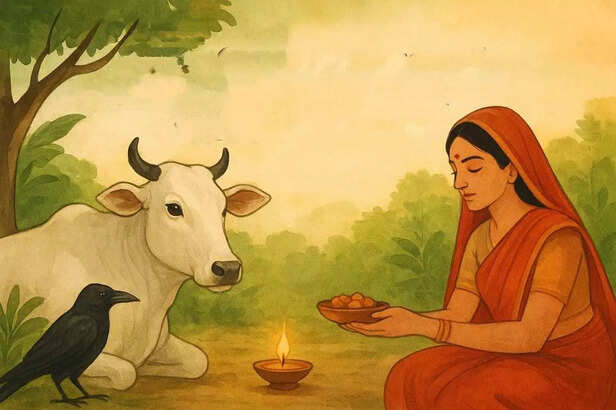
![shraddh]() Whether or not animals truly sense spiritual energies during Shraddh Paksh, their presence teaches us something valuable. Animals live fully in the moment and respond naturally to the energies around them. They remind us to slow down, be compassionate, and stay connected to the subtle forces that often go unnoticed in our busy lives.
Whether or not animals truly sense spiritual energies during Shraddh Paksh, their presence teaches us something valuable. Animals live fully in the moment and respond naturally to the energies around them. They remind us to slow down, be compassionate, and stay connected to the subtle forces that often go unnoticed in our busy lives.
When families feed animals or simply observe their behavior during Shraddh rituals, it becomes a gentle way of honoring not just ancestors but the bond we share with all living beings. This simple act reflects the timeless Hindu belief of Vasudhaiva Kutumbakam, that the whole world is one family, where every creature plays its part in the larger flow of life.
The question of animals sensing spiritual energies during Shraddh Paksh remains open to interpretation. Cultural traditions, scriptural references, and personal experiences strongly support the idea that animals act as indicators of ancestral presence. Science, on the other hand, provides logical explanations based on sensory perception.
Regardless of which explanation one choose, the connection between animals and Shraddh rituals cannot be ignored. From crows symbolizing the acceptance of offerings to dogs and cows reflecting unseen energies, animals enrich the experience of Shraddh Paksh. They add depth to the rituals and remind us of the bond between humans, ancestors, and the natural world.
In the end, perhaps the most meaningful answer lies in embracing both perspectives. Animals may indeed sense vibrations beyond our awareness, whether interpreted as spiritual or scientific. What remains clear is that during Shraddh Paksh, animals hold a unique place in honoring ancestors and guiding humans toward a deeper understanding of life and its unseen dimensions.
Discover expert advice and the latest tips on pet care, training, health, and more. Stay updated with all things pets at Times Pets!
Frequently Asked Questions[FAQs]
The Significance of Shraddh Paksh
sharddh paksh
Image credit : Chatgpt[Ai]
Over these two weeks, households and temples are filled with spiritual energy. Priests chant mantras, families prepare offerings with devotion, and prayers are directed toward the ancestral realm. The atmosphere becomes deeply reflective, encouraging people to remember their roots and honor the lineage that shaped their lives. Food is offered with sincerity, stories of ancestors are shared, and a sense of connection to something greater than the self is created. In such a spiritually charged setting, it becomes even more fascinating to wonder how animals, with their heightened senses and natural sensitivity, might be perceiving these subtle vibrations and responding in their own mysterious ways.
Animals and Their Sensory Perception
Because of these abilities, many spiritual seekers believe animals can sense things beyond human perception. They often respond to natural disasters, predators, or subtle environmental shifts long before people realize what is happening. This sensitivity has given rise to the belief that animals may also be able to pick up on spiritual energies, particularly during sacred times such as Shraddh Paksh.
Cultural Beliefs Linking Animals and Ancestors
woman
Image credit : Chatgpt[Ai]
Dogs are also considered sensitive to spirits. Their sudden barking or restless movements at night are sometimes interpreted as a response to invisible presences. Similarly, cows are seen as sacred beings who connect the material and spiritual realms. Feeding cows during Shraddh Paksh is believed to earn merit and blessings from ancestors.
These cultural associations highlight the idea that animals act as receivers or indicators of spiritual energies, especially during rituals connected with departed souls.
Common Animal Behaviors During Shraddh Paksh
- Crows arriving at the right time: Families often notice crows gathering during rituals, sometimes waiting for food offerings. Their timely arrival is seen as an acknowledgment of ancestral presence.
- Dogs barking at unseen entities: Dogs may bark, whine, or refuse to enter certain spaces during Shraddh Paksh, leading people to believe they are sensing spirits.
- Cows and calves showing calmness: Feeding cows during this time is often associated with blessings. Many people feel cows become more receptive and gentle during ancestral offerings.
- Birds gathering near homes: In some households, unusual gatherings of birds during Shraddh are taken as spiritual signs.
Scientific View of Animal Sensitivity

dog
Image credit : Pixabay
- Dogs and Cats: They can hear ultrasonic sounds and detect subtle vibrations, which may explain their reactions to unseen phenomena.
- Birds: Many bird species can sense changes in geomagnetic fields, allowing them to detect subtle environmental shifts.
- Cows and Horses: These animals are known to pick up emotional energy from humans, often responding to stress or calmness without verbal cues.
- Elephants: Elephants can sense infrasound, a low-frequency sound inaudible to humans, which allows them to detect distant thunderstorms or even movements of other herds miles away.
- Fish: Certain species of fish can detect changes in water pressure and movement, making them highly attuned to environmental shifts.
- Bees: Bees are extremely sensitive to electromagnetic fields and use them to navigate, which shows how finely tuned they are to subtle natural signals.
The Role of Vibrations in Spiritual Sensitivity
Animals, with their heightened awareness, often seem more sensitive to such shifts than humans. A cat sitting calmly near a ritual space may not just be enjoying the quiet but could also be responding to the rhythmic flow of the mantras. Similarly, when a dog appears restless or begins to stare at an empty corner, many people believe it is sensing something beyond human perception. These small yet meaningful behaviors act as gentle reminders of the unseen layers of life that surround us.
What makes these moments special is the way they highlight the interconnectedness of all beings. Animals, unlike humans, do not question or analyze what they feel. They simply respond with purity and instinct. In their quiet presence, we are reminded that life is filled with invisible threads linking humans, animals, and even the souls of those who came before us. Observing them during Shraddh rituals invites us to pause, reflect, and honor the mystery of energies that flow silently through the universe.
Stories and Anecdotal Experiences
This idea fits beautifully with the Hindu belief that every being, whether human or animal, is part of the same universal energy. In this way, animals can be seen as gentle bridges or signs during sacred rituals, quietly reminding us of the deeper connections that link all life together and guiding us toward greater humility, awareness, and reverence for the unseen forces shaping our lives.
Balancing Science and Belief
Instead of seeing these two explanations as opposing each other, they can be understood as working together. The atmosphere during Shraddh rituals is naturally filled with mantras, offerings, and deep emotions. All of this can create an environment where both physical and spiritual vibrations are heightened, allowing animals to respond in ways that seem unusual or meaningful to us.
How Families Can Observe Animals During Shraddh Paksh
crow
Image credit : Pixabay
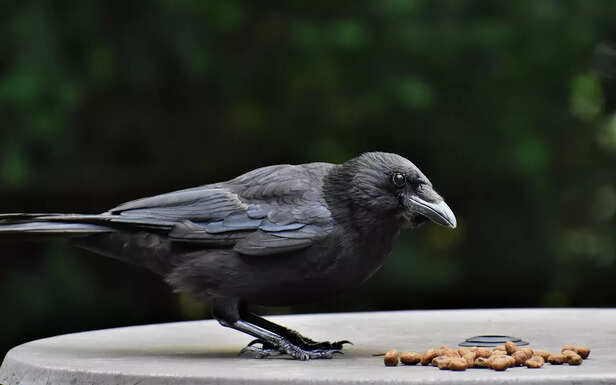
- Offer food to crows and observe their response.
- Watch the behavior of pets like dogs and cats during rituals.
- Feed cows or stray animals as part of ancestral offerings.
- Create a calm atmosphere where animals feel safe and free to respond.
- Note any unusual animal behavior and reflect on its possible spiritual meaning.
The Broader Lesson from Animals
shraddh
Image credit : Chatgpt[Ai]
When families feed animals or simply observe their behavior during Shraddh rituals, it becomes a gentle way of honoring not just ancestors but the bond we share with all living beings. This simple act reflects the timeless Hindu belief of Vasudhaiva Kutumbakam, that the whole world is one family, where every creature plays its part in the larger flow of life.
Regardless of which explanation one choose, the connection between animals and Shraddh rituals cannot be ignored. From crows symbolizing the acceptance of offerings to dogs and cows reflecting unseen energies, animals enrich the experience of Shraddh Paksh. They add depth to the rituals and remind us of the bond between humans, ancestors, and the natural world.
In the end, perhaps the most meaningful answer lies in embracing both perspectives. Animals may indeed sense vibrations beyond our awareness, whether interpreted as spiritual or scientific. What remains clear is that during Shraddh Paksh, animals hold a unique place in honoring ancestors and guiding humans toward a deeper understanding of life and its unseen dimensions.
Discover expert advice and the latest tips on pet care, training, health, and more. Stay updated with all things pets at Times Pets!
Frequently Asked Questions[FAQs]
- Do animals really sense energies during Shraddh Paksh?
Yes, many traditions believe that animals, especially cows, dogs, and birds, are sensitive to subtle spiritual vibrations present during Shraddh rituals. - Why are animals fed during Shraddh Paksh?
Feeding animals is considered a form of daan (charity) that brings blessings to the ancestors and peace to the departed souls. - Which animals are most commonly associated with Shraddh rituals?
Cows, crows, dogs, and sometimes cats and birds are believed to have a deeper connection with ancestral energies. - How do animals behave during Shraddh rituals?
People often observe unusual calmness or attentiveness in animals during prayers, offerings, or pind daan. This is seen as a sign of their sensitivity.