Highlights
1. Why does my dog do that?” or wondered what your pets' actions really mean, you’re in the right place. By the end, you’ll have a clearer understanding of your pet’s body language and behavior, and be better equipped to care for your furry, feathered, or fluffy friend.
2. If you’re thinking about adopting a pet in the future, this guide will help you prepare for that exciting step.
3. Similarly, bird species don't just look unique, they have unique ways of acting, moving, sitting, and flying. When you learn these habits, you can recognize many birds.
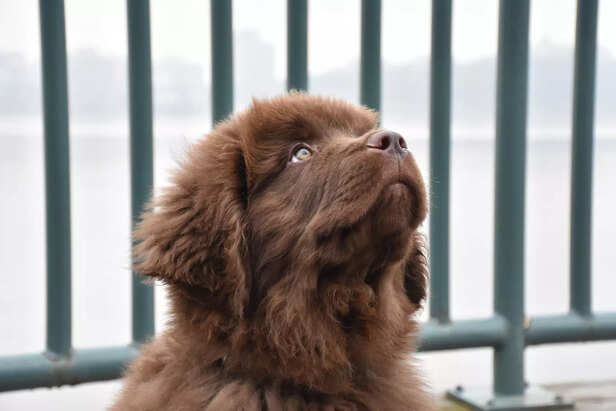
Why Does My Dog Tilt Their Head?
![Dog Head Tilt : A Cute Sign of Curiosity and Connection]()
Dog Head Tilt : A Cute Sign of Curiosity and Connection
A dog tilting its head is often a charming display of curiosity and attentiveness, showing how closely dogs try to understand human voices and emotions.
Dogs have been our loyal companions for thousands of years with their behaviors shaped by both natural instincts and domestication. One of the most loveable and well-known dog behaviors is the classic head tilt. But why do our tail-wagging friends do this? Here are a few reasons:
Improved hearing:
Tilting their heads helps dogs better locate the source of a sound, allowing them to assess their surroundings more effectively.
Enhanced Vision:
Your dog’s sniffer may occasionally obstruct their view. Tilting their head allows them to get a clearer look at whatever has caught their attention.
Positive Reinforcement:
Dogs quickly learn that tilting their head often earns them praise, affection, or even a treat. This encourages them to repeat the behavior.
Why Does My Dog Chase Their Tail?
Does your dog get dizzy chasing its tail? They are certainly not alone tail chasing is a common behavior, especially in puppies and playful dogs. For many, it’s simply a way to burn off extra energy or relieve boredom. However, if the behavior becomes excessive or obsessive, it might signal an underlying issue. In some cases, tail-chasing could indicate medical concerns such as fleas, skin irritation, or even anxiety. Persistent or intense chasing should be monitored closely, as it may require intervention. If you’re concerned about your dog’s tail-chasing, consult your veterinarian.
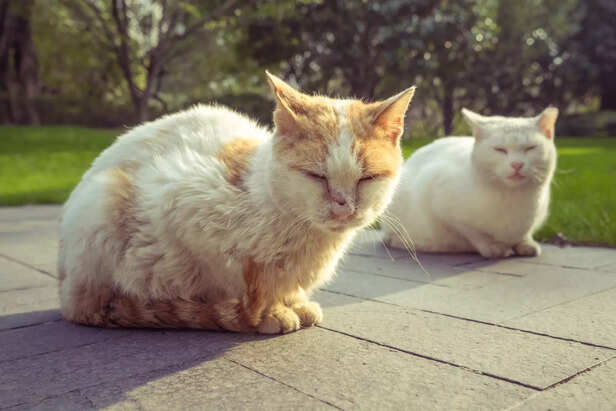
Why Does My Cat Expose Their Belly?
![Cat Kneading and Slow Blinks: Adorable Signs of Comfort]()
Cat Kneading and Slow Blinks: Adorable Signs of Comfort
When cats knead or give slow blinks, they’re expressing relaxation, trust, and affection behaviors that melt hearts across viral pet videos.
Cats are masters of subtle communication, and while they may seem aloof at times, their behaviors speak volumes about their emotions and instincts. Take, for instance, a cat lounging on its back with its belly exposed. This position can indicate trust, as cats who feel safe and relaxed often display their bellies as a sign of comfort. However, it’s not always an invitation for a belly rub. Some cats adopt this position as a defensive stance, ready to playfully or protectively swipe with their claws if approached. Understanding their intent involves reading additional body language cues.
Why Does My Cat Scratch Furniture?
Much like visiting a nail salon to maintain your nails, cats rely on scratching to care for their claws. This natural behavior serves several important purposes beyond nail maintenance. For instance, scratching allows cats to mark their territory. Their paws contain scent glands, and when they scratch, they release pheromones that signal ownership. It’s also a way for cats to burn off extra energy or express excitement. Scratching feels good to them and fulfills a deeply ingrained instinct. To protect your furniture, provide your cat with a suitable alternative, like a scratching post or pad.
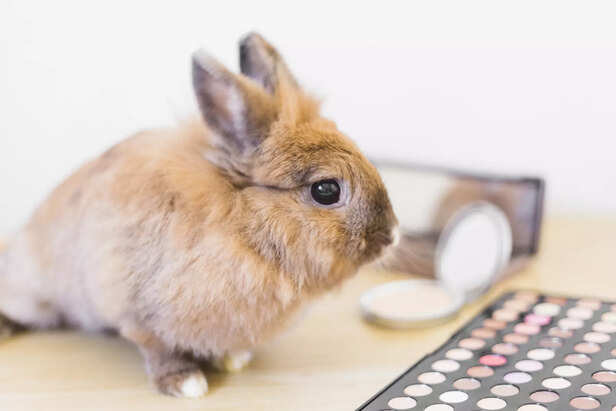
Why Does My Rabbit Flop on Their Side?
![Happy Rabbit Binkying: A Pure Expression of Joy]()
Happy Rabbit Binkying: A Pure Expression of Joy
A rabbit’s binky or nose twitch is an irresistibly cute sign of excitement and happiness, often seen when they feel safe and playful.
Rabbits are highly social animals and communicate primarily through body language, both with humans and other rabbits. One of their most notable behaviors is the dramatic “flop” on their side. While it might look concerning at first, believe it or not, this is actually a sign of relaxation. When a rabbit flops over like this, it’s showing you just how at ease and safe they feel in their environment.
What Does My Bird Movement Tell To Me ?
As soon as a sitting bird starts to move, it gives you a new set of clues about what it is. You’ll see not only different parts of the bird and new postures, but you’ll also sense more of the bird’s attitude through the rhythm of its movements. There’s a huge difference between the bold way a robin bounces up to a perch, a mockingbird’s showy, fluttering arrival, and the meekness of a towhee skulking around. You can also tell a lot from the way the bird moves: notice whether it hops, like many sparrows, or walks like a pipit; whether it always hitches upward like a woodpecker or scurries around like a nuthatch seemingly unaware of gravity.
Celebrate the bond with your pets, explore
Health & Nutrition, discover
Breeds, master
Training Tips,
Behavior Decoder, and set out on exciting
Travel Tails with
Times Pets!Frequently asked questions(FAQs)- Are viral pet behaviors always a sign of happiness?
No. While some viral behaviors show excitement or playfulness, others may signal stress, fear, or confusion. Without understanding pet body language, behaviors that look cute online can sometimes be warning signs. - Why do some pets act differently on camera?
Pets often react to changes in routine, unfamiliar sounds, or their owner’s attention when recording. Some animals become overstimulated or anxious, which may result in exaggerated or unusual behavior. - When should I consult a vet or animal behaviorist?
If a behavior appears suddenly, intensifies over time, or is accompanied by aggression, withdrawal, or physical symptoms, professional guidance is strongly recommended.