
Born To Protect: Why Some Dogs Guard Babies Even Without Training
Anushka Tripathi | Feb 18, 2026, 16:00 IST

dog and kid
Image credit : Freepik
Many dogs instinctively guard babies even without any formal training, surprising parents with their calm watchfulness and deep sense of responsibility. This article explores the emotional, biological, and evolutionary reasons behind this behavior. From ancient pack instincts and heightened sensory awareness to emotional intelligence and bonding hormones, dogs naturally recognize infants as vulnerable members of their family. Through science and heartfelt observations, this piece explains why some dogs become silent guardians and how this untrained protection reflects the timeless bond between humans and dogs.
The Ancient Bond Between Dogs And Humans
dog and humans
Image credit : Freepik
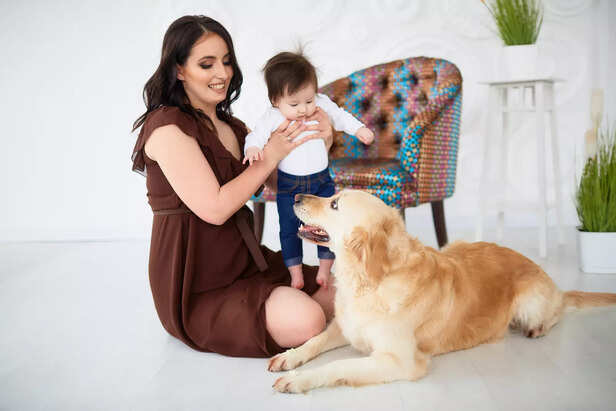
Long before dogs slept on sofas or posed for family photos, they lived alongside humans for survival. Early dogs guarded camps, alerted families to danger, and protected the weakest members of the group. Over generations, this partnership shaped canine behavior. Dogs evolved to read human emotions, body language, and social cues with remarkable accuracy. Babies, with their fragile movements and unfamiliar sounds, stand out immediately to dogs as beings that require care. Even without conscious thought, dogs recognize infants as important members of their pack.
Instincts That Run Deeper Than Training
Training teaches commands. Instinct teaches purpose. When dogs guard babies naturally, they are responding to deeply rooted protective instincts. Puppies are fiercely protected within canine packs, and a human baby triggers a similar response. The high pitched cries, small size, and helplessness activate a dog’s caregiving instincts. This is why even dogs with no formal training often become alert, calm, and watchful around infants. Their behavior is not learned. It is remembered.
How Dogs Sense Vulnerability
Dogs experience the world through heightened senses. They hear heartbeats, detect hormonal changes, and sense emotional shifts that humans often miss. Babies emit unique scents and sounds that signal vulnerability. Dogs can smell changes in household chemistry when a newborn arrives, including stress, exhaustion, and heightened emotions in parents. These signals tell the dog that something precious and fragile is present. Guarding becomes a natural response to that awareness.
Emotional Intelligence In Dogs
goofy dog and women
Image credit : Freepik
Dogs are emotionally intelligent creatures. They understand tone, mood, and intention even when words are meaningless to them. When parents handle a baby gently, speak softly, and move with caution, dogs observe and mirror that behavior. They learn quickly that the baby is special. This emotional mirroring strengthens the dog’s sense of responsibility. Protecting the baby becomes part of maintaining harmony within the pack.
The Pack Mentality At Work
Dogs still think in terms of packs, even in modern homes. Every pack has leaders, protectors, and vulnerable members. Babies fall instantly into the category of those who need protection. Some dogs naturally assume the role of guardian, especially breeds historically bred for protection, herding, or companionship. Even mixed breeds often display this behavior because pack roles are not about pedigree. They are about instinct and connection.
Why Some Dogs Are More Protective Than Others
Not all dogs guard babies in the same way. Personality plays a major role. Confident dogs with calm temperaments are more likely to take on protective behaviors. Dogs that are anxious or insecure may keep their distance instead. Past experiences also matter. Dogs raised in nurturing environments tend to respond to babies with care rather than fear. Age can influence behavior, too. Mature dogs often show more patience and awareness around infants than younger, more excitable dogs.
The Role Of Scent And Recognition
Babies smell different from adults. Their scent is softer, unfamiliar, and often mixed with milk and warmth. Dogs rely heavily on scent to understand the world. When a dog smells a baby, it recognizes that this scent does not belong to a threat. Instead, it signals new life. Over time, as the baby’s scent becomes part of the household, the dog associates it with safety and belonging. This strengthens the protective bond.
Guarding Versus Aggression
It is important to understand that guarding a baby does not mean aggression. True protective behavior is calm and controlled. The dog may position itself nearby, watch strangers closely, or follow the baby’s movements with quiet attention. Aggression, on the other hand, includes growling, snapping, or showing signs of stress. Most dogs that naturally guard babies do so gently, without hostility. They are not claiming ownership. They are offering security.
Stories Of Untrained Guardians
mother with son
Image credit : Freepik
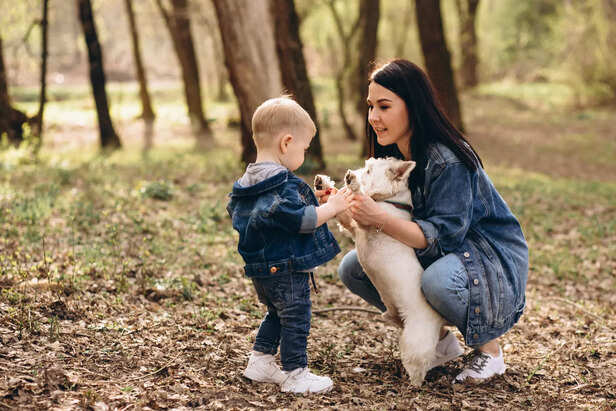
Across cultures and households, stories repeat themselves. Dogs sleeping under cribs. Dogs alert parents when a baby stops crying too suddenly. Dogs refusing to leave a child alone in unfamiliar places. These moments often feel miraculous to parents, but they are expressions of instinct. Dogs do not analyze their actions. They respond to what feels right. Their loyalty is not conditional on instruction.
The Science Behind Protective Behavior
Studies show that dogs have increased oxytocin levels when interacting with humans. Oxytocin is the hormone associated with bonding and care. When a baby arrives, interactions increase and emotions intensify. Dogs pick up on this chemical shift. Their brains associate the baby with positive emotional rewards. Protecting the baby reinforces their bond with the family and strengthens their sense of purpose.
Why Crying Triggers Alertness
A baby’s cry is designed to demand attention. Dogs hear frequencies that humans cannot. When a baby cries, dogs often become alert immediately. This is not irritation. It is a concern. In the wild, distress sounds signal danger. Dogs respond by checking, guarding, or alerting adults. Many parents notice their dog rushing to the nursery before they do. This is instinctive responsiveness, not obedience.
The Calm That Dogs Bring To Babies
Interestingly, the relationship goes both ways. Babies often feel calmer around dogs. The steady breathing, warmth, and presence of a dog can soothe an infant. Dogs seem to understand this intuitively. They lie still, move slowly, and adjust their energy around babies. This mutual regulation creates a quiet bond that grows stronger with time.
When Protection Turns Into Overprotection
While guarding is natural, excessive protectiveness can become problematic if not guided properly. A dog that refuses to let others near the baby or shows stress signals needs gentle boundaries. This does not mean the dog is bad. It means the dog cares deeply and needs reassurance. Calm introductions, positive reinforcement, and supervised interactions help maintain balance.
The Importance Of Trust Between Dog And Parent
Dogs take cues from their humans. When parents are calm and confident, dogs relax. When parents are anxious, dogs become hyper vigilant. Trust is key. Dogs that trust their owners to protect the baby do not feel the need to overstep. This shared responsibility strengthens the family dynamic rather than disrupting it.
Cultural And Evolutionary Memory
Some behaviors feel almost ancestral. Dogs guarding babies may be tapping into evolutionary memory passed down through generations. Just as birds know how to build nests without being taught, dogs know how to protect vulnerable pack members. This memory lives quietly within them, waiting for the right moment to surface.
How To Support This Natural Behavior Safely
Encouraging a healthy bond means respecting the dog’s instincts while ensuring safety. Supervision is always essential. Praise calm behavior. Maintain routines so the dog feels secure. Avoid pushing the dog away unnecessarily, as this can create confusion or jealousy. Inclusion, not exclusion, helps dogs understand their role without stress.
Why This Bond Feels So Emotional To Humans
Watching a dog protect a baby touches something deep within us. It reminds us that love does not always need language. That care can exist without instruction. In a world often driven by training, rules, and schedules, this raw instinct feels pure. It reassures parents that their child is surrounded by more than walls and alarms. They are surrounded by loyalty.
When Dogs Become Silent Guardians
Most guarding happens quietly. No barking. No drama. Just presence. A dog lying near a stroller. A dog watching from the corner of the room. A dog choosing to stay awake when the baby sleeps. These moments often go unnoticed, but they are acts of devotion. Dogs do not seek praise for this. They simply do what feels right.
A Relationship Built On Trust And Time
As babies grow, the nature of protection changes. Dogs shift from guarding to guiding, tolerating clumsy hugs, crawling hands, and unpredictable movements. The bond evolves into friendship. But that early instinct to protect never truly disappears. It becomes the foundation of a lifelong connection.
The Quiet Magic Of Untrained Love
beagle dog
Image credit : Freepik
Dogs do not read parenting books. They do not attend training sessions on childcare. Yet many of them step into the role of guardian effortlessly. This is the quiet magic of instinct meeting emotion. It is not something that can be forced or replicated. It simply happens when trust, history, and heart align.
A Reminder Of What Instinct Can Teach Us
In watching dogs guard babies, we are reminded that protection does not always require instruction. Sometimes it comes from awareness, empathy, and connection. Dogs show us that care can be instinctive, gentle, and selfless. In their silent watchfulness, they offer a lesson humans often forget. To protect what is vulnerable is not a duty. It is a privilege.
Celebrate the bond with your pets, explore Health & Nutrition, discover Breeds, master Training Tips, Behavior Decoder, and set out on exciting Travel Tails with Times Pets!